




What's Happening?
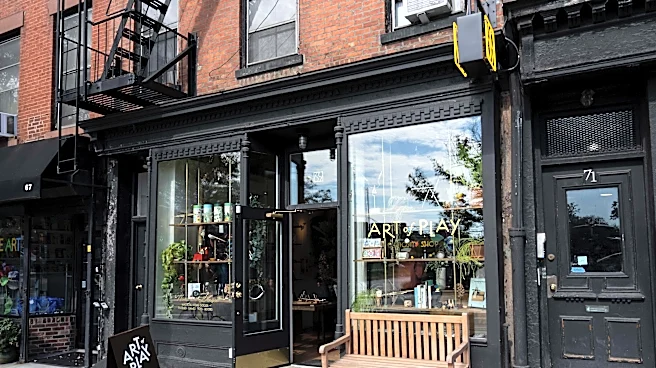
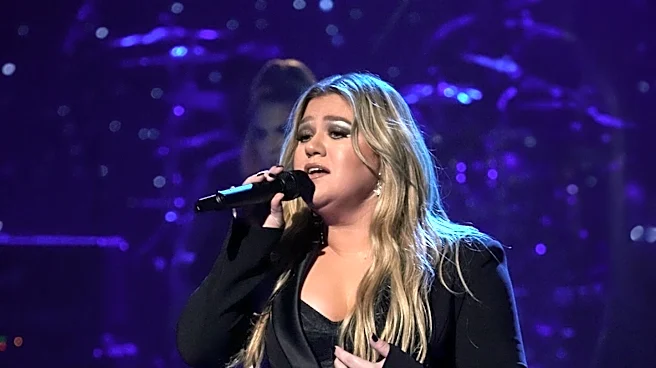
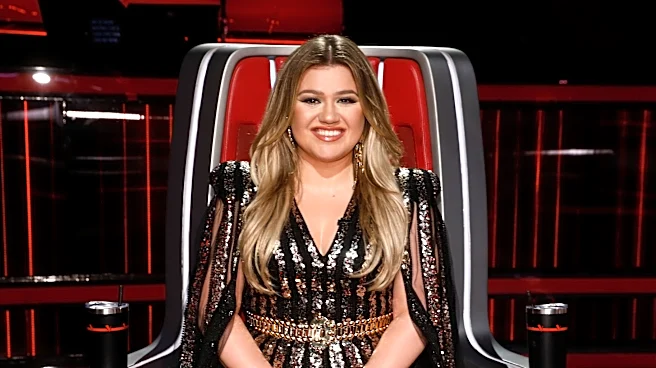
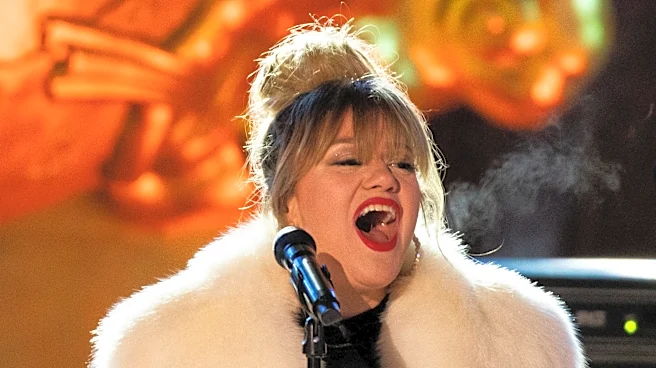
Art of Play, a novelty shop in Brooklyn, has listed its mechanical bird mascot, 'Molly,' for sale at $15 million, following a public dispute with Kelly Clarkson. The controversy began when Clarkson posted on social media about a negative experience at the
store, claiming she was treated dismissively when inquiring about purchasing Molly. She likened the experience to Julia Roberts' character in 'Pretty Woman.' Art of Play initially stated Molly was not for sale as it was permanently affixed to a wall. However, after Clarkson's second post, which included a photo of a purported $15,000 price tag for a similar automaton, the store clarified that an employee had offered a 'nearly identical' bird from the artist, Bliss Kolb, for $15,000. The store's co-owner, Adam Rubin, announced the $15 million price tag for Molly, stating that if sold, he plans to give each employee a $15,000 bonus, send $1 million to the artist, and build a display dedicated to automata.
Why It's Important?
This incident highlights the significant impact of social media on small businesses and public perception. A celebrity's negative review, even if disputed, can quickly escalate into a widespread public relations challenge, leading to both negative attention and unexpected opportunities. The store's decision to list Molly for an exorbitant price can be seen as a strategic move to capitalize on the viral attention, transforming a controversy into a potential marketing event. It also underscores the power dynamics between public figures and local businesses, where a single social media post can generate intense scrutiny and even perceived threats, as claimed by the store owner. The situation also raises questions about the authenticity of online narratives and the rapid spread of information.
What's Next?
The future of 'Molly' and Art of Play remains to be seen. It is unlikely that the mechanical bird will sell for $15 million, suggesting the price is more of a statement or a publicity stunt. The store will likely continue to navigate the increased public attention, both positive and negative, generated by the incident. This could lead to a surge in visitors curious about 'Molly' and the store, or it could result in ongoing backlash depending on how the narrative evolves. The artist, Bliss Kolb, has not yet commented, and their perspective could add another dimension to the story. The incident may also prompt other businesses to re-evaluate their customer service policies and social media engagement strategies in an increasingly interconnected world.
Beyond the Headlines
This story delves into the broader implications of celebrity culture and its intersection with local commerce. It illustrates how a seemingly minor interaction can be amplified and distorted through social media, leading to unforeseen consequences for all parties involved. The 'Molly' saga also touches upon themes of perceived value, artistic integrity, and the commodification of unique items. The store's claim of being 'in danger' due to online 'trolls' and 'doxing' highlights the darker side of viral fame and the challenges businesses face in managing their online reputation. It serves as a case study in how public perception, fueled by social media, can rapidly shape the narrative around a business and its products, regardless of the initial facts.