






What's Happening?
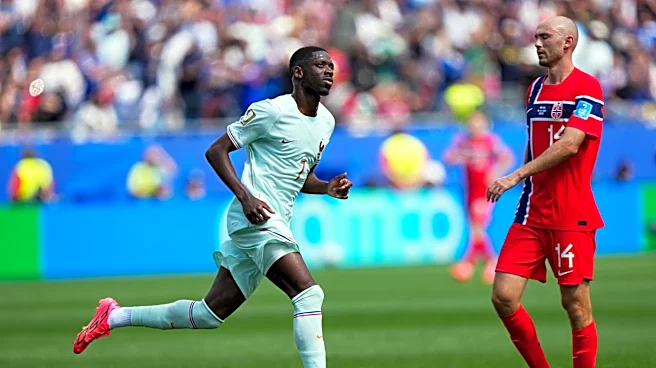
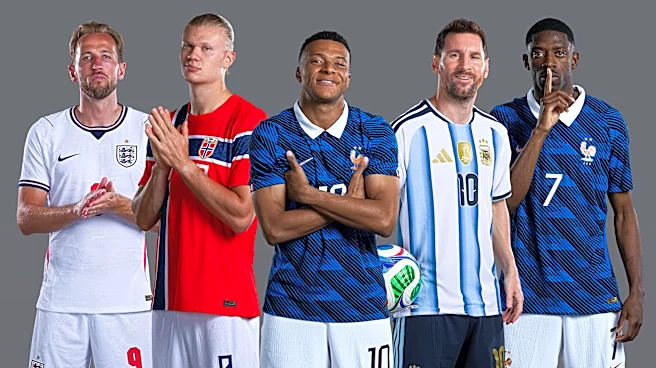
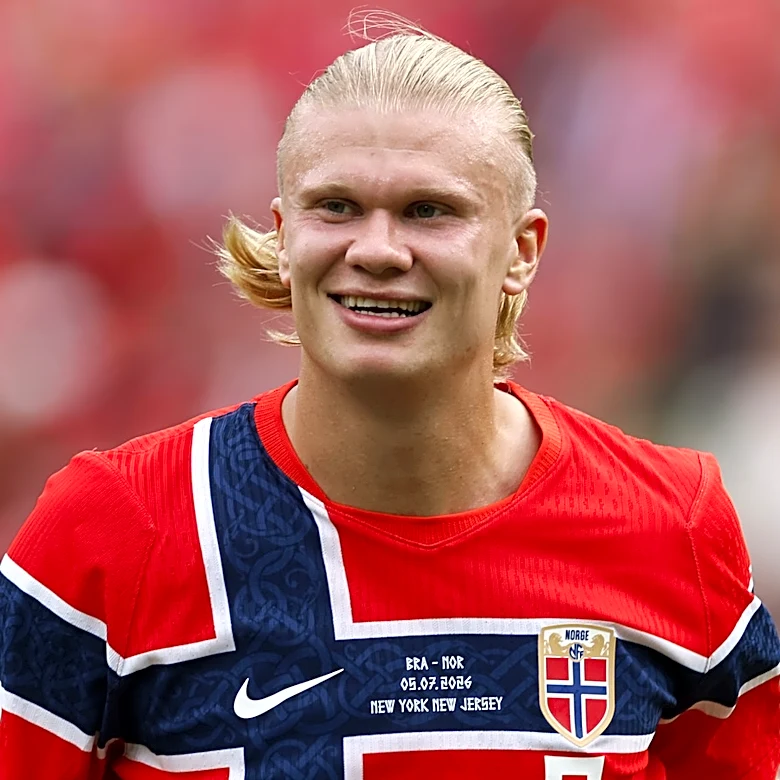
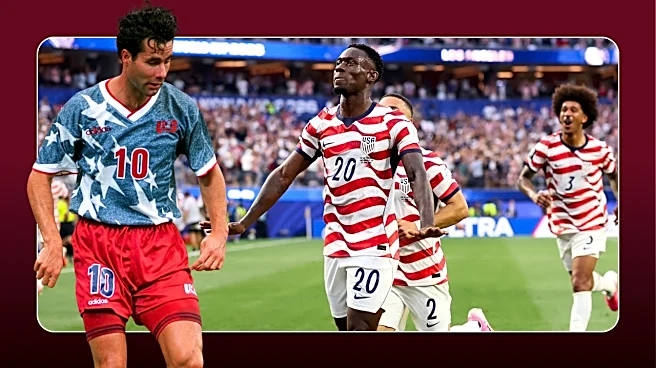
Nike has managed to capture significant attention at the World Cup despite not being an official sponsor. The brand's strategy focuses on leveraging the star power of individual athletes like Erling Haaland, Kylian Mbappé, and Cristiano Ronaldo. A notable
marketing stunt involved 20 lookalikes of Haaland, including actor Channing Tatum, appearing at a match, creating a viral moment. This approach has allowed Nike to dominate the conversation around World Cup endorsements, accounting for over half of all mentions, surpassing Adidas, which holds official sponsorship rights.
Why It's Important?
Nike's success highlights a shift in sports marketing, where individual athlete endorsements can rival or exceed the impact of official sponsorships. This trend suggests that brands can achieve significant visibility and engagement without traditional sponsorship deals, potentially altering how companies approach sports marketing. The strategy benefits Nike by enhancing its brand presence and influence, while challenging the conventional sponsorship model that Adidas represents. This could lead to a reevaluation of marketing investments in sports events.
What's Next?
As the World Cup progresses, it will be interesting to see if Adidas can leverage its official status to regain the spotlight or if Nike's athlete-focused strategy will continue to dominate. Other brands may also adopt similar approaches, focusing on individual endorsements rather than official partnerships. The outcome could influence future sponsorship strategies across various sports and events.