




What's Happening?
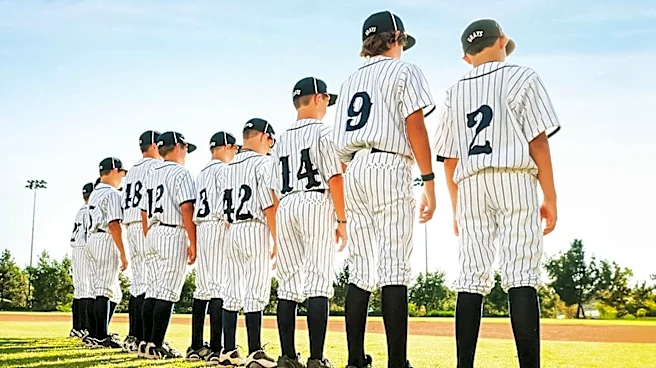
A comprehensive Tee Ball checklist for kids outlines the essential gear required for young players entering the sport, according to DICK'S Sporting Goods. The checklist covers fundamental items such as bats, gloves, and cleats, while also noting that
some equipment, like batting tees and helmets, may be provided by the league. Parents are advised to consult with their league or child's coach to confirm what equipment is supplied. The guide also touches on optional items like batting gloves and eye black, which kids often enjoy wearing to emulate professional players. For solo training, the checklist suggests tools like pitching machines with compatible ball feeders, batting cages, rebounders for throwing and fielding practice, and practice nets. Training mitts and specialized training balls are also recommended to help improve specific skills.
Why It's Important?
This checklist is crucial for parents navigating their child's entry into Tee Ball, ensuring they are adequately prepared and equipped for the sport. By outlining both essential and optional gear, it helps parents make informed purchasing decisions, preventing unnecessary expenses while ensuring safety and skill development. The emphasis on solo training equipment highlights a growing trend in youth sports towards individualized practice, allowing children to hone their skills outside of team sessions. This can be particularly beneficial for developing fundamental mechanics and building confidence. Furthermore, the guide's advice to check with leagues about provided equipment underscores the importance of communication between parents and sports organizations, which can help standardize equipment and reduce financial burdens on families, promoting broader participation in youth baseball.
What's Next?
The continued evolution of youth sports, including Tee Ball, will likely see further advancements in training equipment designed for young athletes. Manufacturers may focus on creating more child-friendly and accessible versions of solo training tools, incorporating technology to make practice more engaging and effective. Leagues and sports organizations might increase their efforts to provide more communal equipment or offer rental programs to ensure all children have access to necessary gear, regardless of their family's financial situation. Educational resources for parents, such as detailed guides on equipment sizing and skill development, are also likely to expand. The emphasis on safety and proper technique will remain paramount, influencing the design and recommendations for all Tee Ball gear. Additionally, there may be a growing trend towards integrating fun and play into training, ensuring that the focus remains on enjoyment and participation for young players.
Beyond the Headlines
The provision of a comprehensive Tee Ball checklist reflects a broader cultural value placed on youth sports as a vehicle for physical activity, character development, and social learning. Beyond the practical aspects of equipment, participation in Tee Ball teaches children about teamwork, discipline, and sportsmanship from an early age. The availability of solo training tools also speaks to the increasing professionalization of youth sports, where even at introductory levels, there's an emphasis on skill refinement. This can have both positive and negative implications, fostering dedication but also potentially increasing pressure on young athletes. The role of sporting goods retailers in educating parents and supporting youth sports through such guides is significant, as they often serve as a primary resource for families entering the world of organized sports. This engagement helps shape the experiences of countless children in their formative athletic years.