





What's Happening?
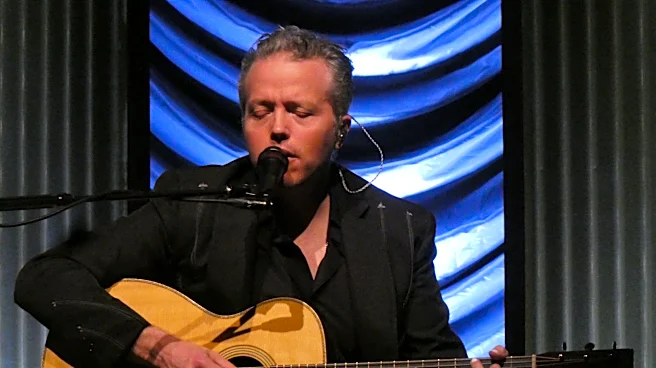
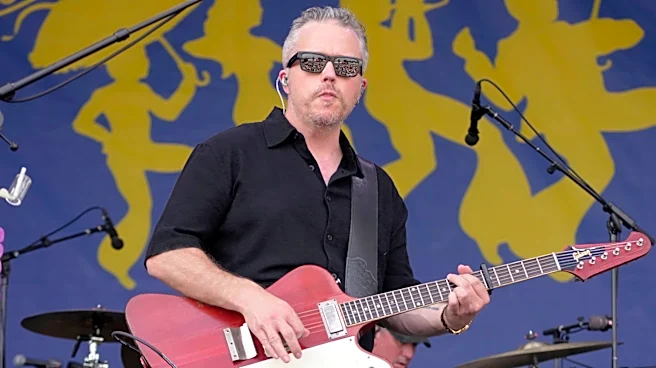
Musician Jason Isbell, alongside David Lowery of Camper Van Beethoven, blues guitarist Guy Forsyth, and jazz saxophonist Eduardo Calle, has filed a class-action lawsuit against AI music generator Suno in a Massachusetts federal court. The lawsuit alleges
that Suno misappropriates and exploits musicians' identities by allowing users to generate music that mimics their styles using their names as prompts. The complaint details how Suno's system, despite claims of filters, enables the creation of AI-generated songs that replicate an artist's characteristics, even providing workarounds like adding spaces between letters in a name. For instance, entering 'Jason Isbell' into Suno reportedly produced an Americana song called 'Paper Bell' with a male voice imitating Isbell's vocal elements and country twang. The lawsuit emphasizes that Suno's platform is intentionally designed to identify musicians by name and generate 'identity-evocative output,' rather than this being an accidental technical artifact. The plaintiffs are seeking class-action status, monetary compensation for publicity rights violations, disgorgement of Suno's profits from non-consensual use of identities, and an injunction to prevent Suno from capturing and storing artists' identifying attributes.
Why It's Important?
This lawsuit is a significant development in the ongoing debate surrounding artificial intelligence and intellectual property rights within the U.S. music industry. It highlights the growing tension between technological innovation and artists' rights to control their likeness and creative output. The core of the complaint is not copyright infringement of specific songs, but rather the unauthorized use of a musician's identity and style, which could set a precedent for how 'personality rights' are protected in the age of AI. If the class-action status is granted, it could open the door for thousands of musicians to seek damages, potentially leading to substantial financial implications for AI music generation companies like Suno. The outcome of this case could influence the development and deployment of AI tools across creative industries, forcing developers to implement stricter safeguards and licensing agreements to avoid legal challenges. It also underscores the need for clear legal frameworks to address the ethical and commercial implications of AI's ability to mimic human creativity, impacting how artists are compensated and how their unique contributions are valued in the digital landscape.
What's Next?
The lawsuit will proceed in federal court, with the plaintiffs seeking class-action certification, which would allow a broader group of affected musicians to join the legal action. Suno is expected to respond to the allegations, likely reiterating its stance that AI training falls under fair use, as it has in previous litigation. The court's decision on class-action status and the subsequent legal proceedings will be closely watched by both the AI and music industries. This case could lead to a landmark ruling that clarifies the legal boundaries of AI-generated content, particularly concerning the use of artists' identities. Depending on the outcome, Suno and other AI music generators may be compelled to significantly alter their operational models, potentially requiring explicit consent or licensing agreements from artists whose styles are used to train their AI. This could also spur legislative efforts at both state and federal levels to establish more comprehensive protections for artists' rights in the context of AI, similar to existing laws like Tennessee's ELVIS Act and California's new AI replica protection laws.
Beyond the Headlines
The lawsuit delves into the deeper ethical and philosophical questions surrounding AI's role in creative fields. It challenges the notion that AI-generated content, even if technically distinct from original works, can freely leverage the established identities and styles of human artists without consequence. The complaint's opening quote from Star Trek, 'Resistance is futile,' frames the struggle as a battle for human distinctiveness against an encroaching technological force. This case could force a re-evaluation of what constitutes 'authorship' and 'originality' when AI can so convincingly replicate human artistic traits. It also highlights the economic vulnerability of artists, who often rely on their unique style and identity for their livelihood, in an environment where AI can generate similar content at scale. The legal battle may also influence public perception of AI-generated art, potentially leading to increased demand for transparency regarding the use of AI in music and other creative works. Ultimately, this lawsuit is not just about financial compensation; it's about defining the future relationship between human creativity and artificial intelligence, and ensuring that the distinctiveness of human artists is protected.