



What's Happening?
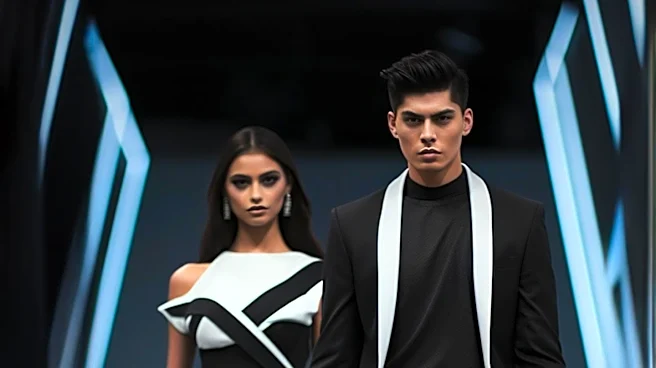
The Fall/Winter 2026 menswear collections are focusing on practical, wearable pieces that blend classic styles with modern updates. Designers are reintroducing items like Chesterfield coats, blouson jackets, and refined down jackets, moving away from
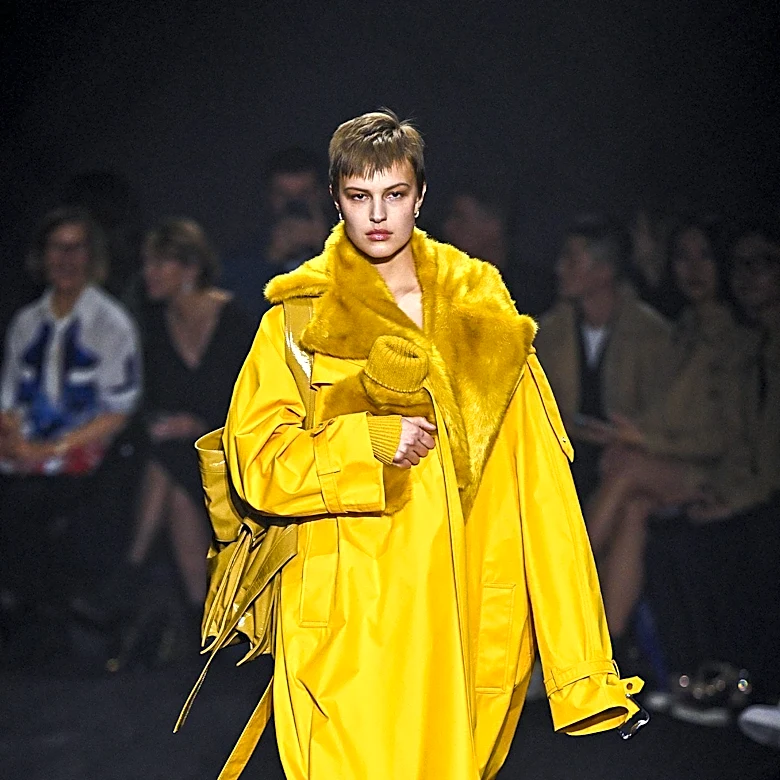
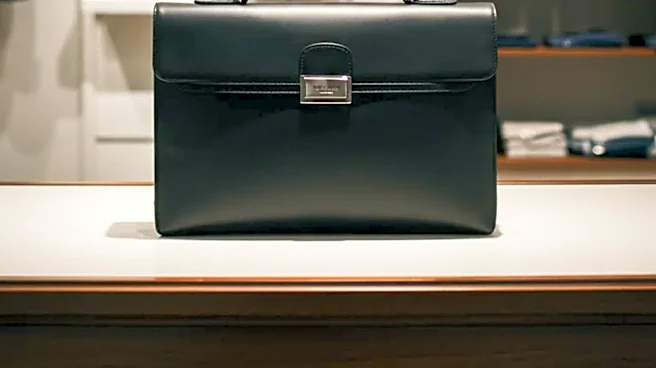
overly theatrical runway looks. Key trends include tailored wool overcoats, zip-front blouson jackets with gathered hems, and sophisticated down jackets with matte finishes and subtle quilting. Turtlenecks are highlighted for their quiet sophistication, while sweater vests are making a comeback with a focus on modern fit and fabric. Trousers are shifting towards high-waisted, loose-fitting, and pleated styles, offering a relaxed alternative to skinny fits. Pinstripe trousers are also returning, styled without matching jackets for a more casual yet polished look. Additionally, shirt-out styling, soft messenger bags, and the prominence of chocolate brown as a staple color, paired with loafers, are notable trends for the season.
Why It's Important?
This shift towards practical and classic menswear for Fall 2026 indicates a broader industry movement towards sustainability and investment in versatile, long-lasting pieces. For consumers, it means a focus on building a wardrobe with items that can be worn repeatedly and styled in multiple ways, rather than chasing fleeting trends. This approach can lead to more thoughtful purchasing decisions and potentially reduce fashion waste. For U.S. retailers and brands, understanding these trends is crucial for inventory planning and marketing strategies, as demand will likely lean towards quality fabrics, tailored fits, and timeless designs. The emphasis on comfort and versatility also reflects evolving lifestyle needs, where clothing needs to transition seamlessly between work, social events, and casual settings. The return of classic elements suggests a consumer desire for reliability and understated elegance in their attire.
What's Next?
As these trends gain traction, consumers can expect to see a wider availability of these styles in retail stores and online. Brands will likely continue to innovate within these classic frameworks, offering variations in fabric, texture, and subtle design details to keep collections fresh. We may also see an increased focus on styling guides and content from fashion influencers and retailers demonstrating how to integrate these new-yet-classic pieces into existing wardrobes. The emphasis on versatility suggests that consumers will be looking for pieces that offer maximum utility, prompting brands to highlight the multi-functional aspects of their offerings. Furthermore, the adoption of these trends could influence future seasonal collections, solidifying a preference for enduring style over transient fashion statements.
Beyond the Headlines
The move towards practical and classic menswear could signify a deeper cultural shift away from fast fashion and towards a more conscious consumption model. This trend aligns with growing consumer awareness about environmental impact and ethical production in the fashion industry. By investing in higher-quality, versatile pieces, consumers may be seeking to build a more sustainable wardrobe that transcends seasonal fads. This could also reflect a desire for stability and timelessness in an increasingly rapidly changing world, where clothing becomes a form of personal expression that is both reliable and refined. The emphasis on comfort and ease of wear also speaks to a broader lifestyle trend where functionality and well-being are prioritized alongside aesthetics.