





What's Happening?
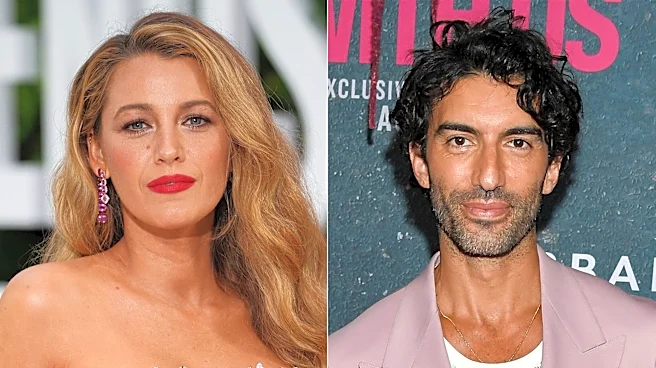
A federal judge has awarded actress Blake Lively approximately $407,000 in attorneys’ fees and court costs. This award stems from a defamation claim in a dismissed lawsuit filed against her by Justin Baldoni, related to the film 'It Ends With Us.' U.S.
District Judge Lewis Liman granted Lively $363,000 in attorneys’ fees and an additional $44,000 in court costs. Lively had initially sought over $8 million in fees and costs, but the judge determined that the number of hours for which she requested reimbursement was unreasonable and limited the award to work directly related to defending against the defamation claim. The ruling follows Judge Liman's June decision that Lively was entitled to recover reasonable attorneys’ fees under California Civil Code Section 47.1, a law designed to protect individuals reporting sexual misconduct from retaliatory defamation claims. Lively's attorneys have described the decision as "historic," citing it as the first-ever award under this specific California law.
Why It's Important?
This ruling is significant as it marks a potential conclusion to a high-profile legal battle involving prominent entertainment figures and underscores the application of California's Civil Code Section 47.1. The law aims to safeguard individuals who report sexual misconduct from retaliatory defamation claims, and this case sets a precedent for its enforcement. While the awarded amount is substantially less than what Lively initially sought, her legal team views it as a victory for accountability within the legal system, particularly in contrast to the dynamics of social media. Conversely, Baldoni's attorney also claimed victory, emphasizing that the vast majority of Lively's requested fees were rejected, sending a message against exploiting the law for personal gain. The case highlights the complexities and financial implications of defamation lawsuits, especially when they intersect with allegations of misconduct and the protection of whistleblowers in the entertainment industry.
What's Next?
This ruling may represent the final judicial decision in the protracted legal dispute between Blake Lively and Justin Baldoni. While the financial aspect of the defamation claim has been settled, the broader implications for how similar cases are handled in the entertainment industry could continue to unfold. The emphasis by Lively's attorneys on accountability suggests that this case might encourage others to utilize California Civil Code Section 47.1 in similar situations, potentially leading to more legal challenges against alleged retaliatory actions. Future cases involving allegations of sexual misconduct and subsequent defamation claims may reference this ruling, influencing how legal fees are sought and awarded. The differing interpretations of the ruling by both legal teams indicate that while the immediate financial aspect is resolved, the narrative and its impact on public perception and legal strategy in such disputes will likely persist.
Beyond the Headlines
The case delves into the ethical and legal dimensions of reporting misconduct within powerful industries like entertainment. The application of California Civil Code Section 47.1 highlights a growing legal framework designed to protect individuals from retaliatory actions when they come forward with sensitive information. This ruling could influence cultural shifts within Hollywood, encouraging greater transparency and accountability regarding workplace conduct. The disparity between the initial $8 million sought by Lively and the $407,000 awarded also raises questions about the cost of legal defense in high-stakes cases and the judiciary's role in determining reasonable compensation. It underscores the challenges individuals face in navigating legal battles, even with protective legislation in place, and the potential for prolonged and costly litigation. The case also implicitly touches upon the role of public perception and media narratives in legal disputes, as both sides framed the outcome as a victory.