



What's Happening?
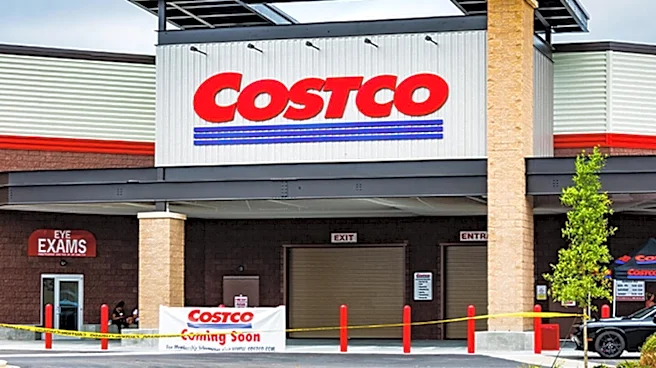
Costco and Uber have announced a significant expansion of their partnership, bringing Costco grocery delivery through Uber Eats to 47 states across the U.S. This move nearly triples the previous coverage, making Costco's full inventory, including bulk
goods, fresh produce, Kirkland Signature products, and even the $5 rotisserie chicken, available for on-demand and scheduled delivery. The only states excluded are Rhode Island, West Virginia, and Wyoming, where Costco does not currently operate physical warehouses. This expansion requires Uber Eats shoppers to verify their Costco membership, maintaining the exclusivity central to Costco's brand. Additionally, the partnership offers incentives such as discounted Uber One memberships and the ability to purchase Costco memberships directly through the Uber Eats app, aiming to deepen customer engagement with both ecosystems. This announcement coincides with Costco's separate partnership with DoorDash, signaling a broader strategy to embrace the delivery economy.
Why It's Important?
This expansion is a critical development in the increasingly competitive U.S. grocery delivery market. For Costco, partnering with multiple major delivery platforms like Uber Eats and DoorDash allows it to hedge against dependency on a single provider, such as Instacart, with whom it has had a long-standing relationship. This strategy significantly increases Costco's total addressable market for delivery, catering to evolving consumer behaviors that show a strong preference for digital shopping. For Uber Eats, this partnership strengthens its grocery and retail delivery business by adding a highly recognized retailer with a large, loyal membership base, which could attract more users, increase order frequency, and boost transaction volumes. The integration of membership verification and cross-promotional offers between Uber One and Costco memberships creates a powerful incentive for customer retention and acquisition for both companies, positioning Uber as a comprehensive delivery platform beyond just food.
What's Next?
The expanded partnership is expected to further intensify competition within the U.S. grocery delivery sector, with major players like Walmart, Instacart, DoorDash, Uber Eats, and Amazon vying for market share. Consumers, particularly Costco members, stand to benefit from enhanced flexibility and convenience, with access to a wider range of products delivered to their homes. The interlocking incentives, such as discounted Uber One memberships and promotions for purchasing Costco memberships through the app, are designed to make both memberships more appealing and sticky. As Costco continues its physical expansion with plans to open over 30 new stores annually, each new warehouse will further integrate into the Uber Eats and DoorDash delivery networks, compounding the value of these partnerships. The success of this multi-platform strategy will likely influence how other large retailers approach their delivery services in the future, potentially leading to more diversified partnerships.
Beyond the Headlines
This development highlights a significant shift in the retail landscape, where the traditional in-store shopping experience is increasingly complemented by robust digital delivery options. For Costco, a brand historically known for its unique in-warehouse experience, embracing third-party delivery platforms represents a strategic adaptation to modern consumer demands without fully commoditizing its core offering. The requirement for membership verification for delivery maintains a sense of exclusivity and value for existing members, while the ability to acquire new memberships through the Uber Eats app blurs the lines between retail and delivery platforms. This move also underscores the growing importance of data and infrastructure in the delivery economy, as platforms like Uber Eats leverage their logistical capabilities and technological investments to become indispensable partners for retailers. The long-term implications could include a redefinition of brand loyalty, where convenience and accessibility through multiple channels become as crucial as product quality and price.