






What's Happening?
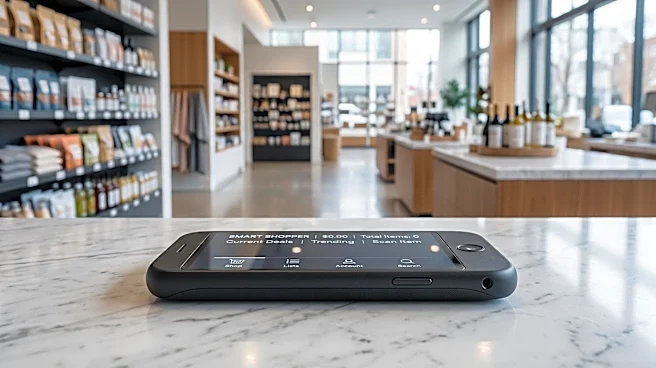
Shopify President Harley Finkelstein announced that 2026 marks the first Black Friday where AI shopping agents are actively completing purchases, not just aiding in discovery. During a four-hour broadcast, Finkelstein presented live dashboard data showing
approximately $5.3 million in sales per minute and around 50,000 orders per minute. A significant finding was that 74% of AI-attributed purchases originated from outside the top 100 product categories, suggesting that AI agents prioritize product merit and relevance over advertising budgets. This shift, according to Finkelstein, is leveling the playing field for small, niche merchants who typically cannot compete with national brands in advertising spend. He cited Tin Can, a product praised by Andrew Ross Sorkin on CNBC's Squawk Box, as an example of a niche product benefiting from this AI-driven trend. Finkelstein emphasized that this development is accelerating an 'entrepreneur revolution,' making the holiday shopping season more accessible to independent businesses.
Why It's Important?
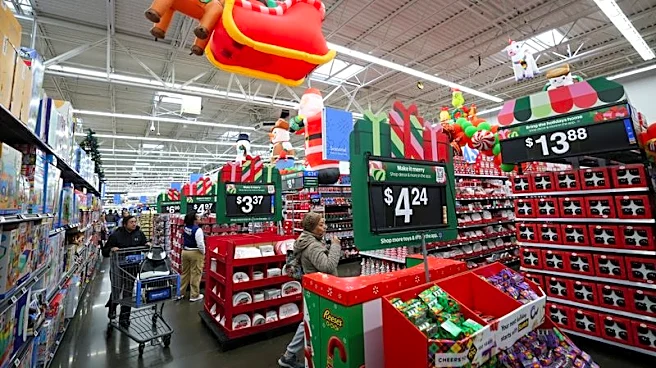
This development signifies a substantial shift in the U.S. e-commerce landscape, potentially reshaping how consumers discover and purchase products, and who benefits most from major shopping events like Black Friday. The reported bias of AI agents towards niche and relevant products over those with large advertising budgets could empower small and medium-sized businesses, fostering greater market diversity and competition. This challenges the traditional dominance of large retailers and national brands that historically leveraged extensive marketing budgets to capture consumer attention. For consumers, it could lead to a wider array of unique product offerings being more easily discoverable. Economically, this shift could redistribute wealth within the retail sector, supporting local economies and independent entrepreneurs. It also highlights the growing influence of artificial intelligence in driving economic activity and consumer behavior, prompting businesses to adapt their strategies to an AI-driven marketplace where product quality and relevance are paramount.
What's Next?
The trend of AI shopping agents completing purchases is expected to continue evolving, potentially leading to further integration of AI into various stages of the consumer journey. Businesses, particularly smaller merchants, will likely focus on optimizing their product descriptions and relevance to appeal to AI algorithms, rather than solely relying on traditional advertising. Larger brands may need to re-evaluate their marketing strategies to adapt to a landscape where advertising spend might have diminished returns compared to product merit. Shopify's continued development in this area could further solidify its position as a platform that empowers independent sellers. Future Black Friday events will likely see an increased reliance on AI-driven sales, potentially leading to more personalized shopping experiences for consumers and a more fragmented, yet diverse, retail market. The success of this model could also influence other e-commerce platforms to adopt similar AI-driven purchasing functionalities.
Beyond the Headlines
The rise of AI shopping agents prioritizing merit over advertising raises profound questions about the future of marketing, consumer choice, and market fairness. Ethically, it suggests a potential move towards a more meritocratic marketplace, where product quality and genuine consumer need dictate success, rather than the size of a company's marketing budget. This could challenge long-held assumptions about brand building and consumer psychology, as AI acts as an impartial arbiter of relevance. Legally, it might prompt discussions around transparency in AI algorithms and potential biases, even if unintended, that could still influence purchasing decisions. Culturally, it could foster a greater appreciation for unique, specialized products and local craftsmanship, moving away from mass-market homogenization. In the long term, this development could fundamentally alter the competitive dynamics of the retail industry, pushing innovation towards product excellence and authentic value propositions, rather than just marketing prowess.