






What's Happening?
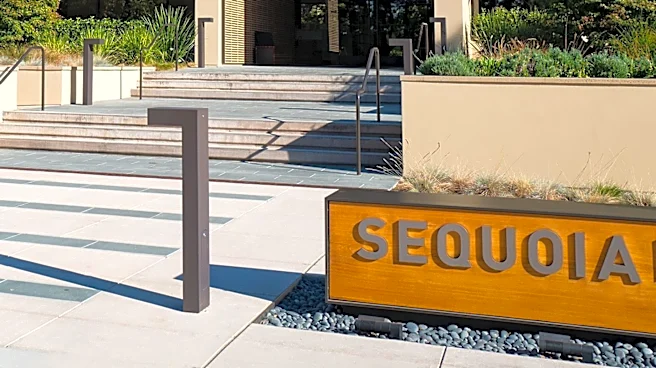
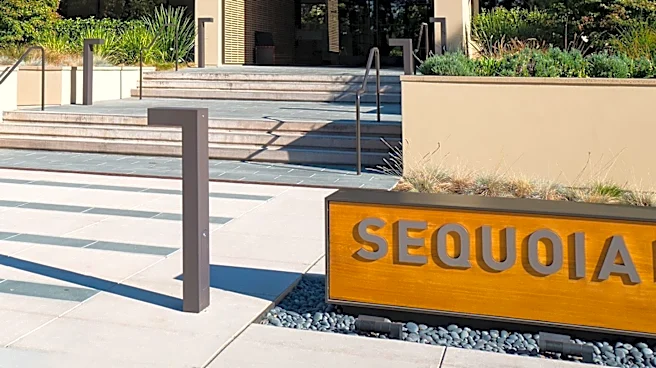
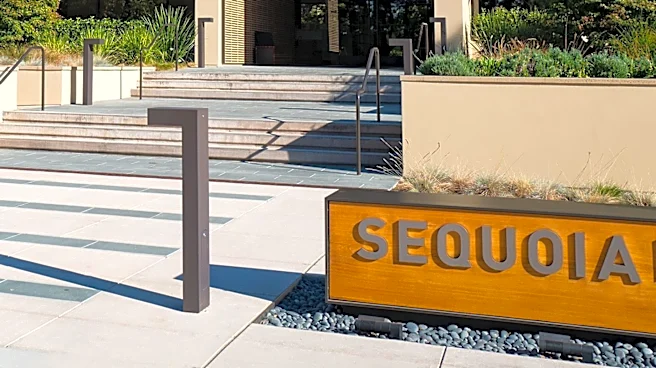
Sequoia Capital, a prominent venture capital firm, is undergoing a significant reorganization, including the closure of its London office, which opened in 2020, and the discontinuation of its Arc batch accelerator and Scouts program. This restructuring
marks a return to the firm's Silicon Valley origins, aiming to simplify operations and sharpen its investment focus. The firm stated that the decision to close the London office does not reflect negatively on its European team but indicates that a local presence is no longer deemed necessary, as it believes it can support European founders from its San Francisco Bay Area headquarters. The Arc accelerator provided structured support to pre-seed and seed founders, while the Scouts program allowed external founders and operators to make small investments on Sequoia's behalf for approximately 15 years. These changes are part of a broader strategy to prioritize quality over scale and concentrate on fewer, higher-conviction investments, adapting to rapid technological changes, particularly in artificial intelligence, space, biology, and reindustrialization.
Why It's Important?
This strategic shift by Sequoia Capital, a leading U.S. venture capital firm, signals a potential recalibration within the broader venture capital industry. By consolidating operations and discontinuing programs like the Scout model, which it pioneered, Sequoia is moving towards a more centralized and selective investment approach. This could influence other VC firms to re-evaluate their own strategies, potentially leading to a tighter, more focused investment landscape. For U.S. startups, particularly those in Silicon Valley, this could mean increased attention and resources from Sequoia. Conversely, European startups, while still attracting significant U.S. investment, might experience a change in how they engage with some major U.S. VC players, potentially requiring them to seek capital and support more directly from U.S. headquarters rather than local European offices. The emphasis on 'quality over scale' suggests a more rigorous due diligence process and a preference for established or highly promising ventures, which could impact early-stage funding availability.
What's Next?
Sequoia Capital's restructuring is expected to lead to a more concentrated investment strategy, focusing on fewer, higher-conviction investments, particularly in areas like artificial intelligence, space, and biology. The firm has raised approximately $10 billion in new funds to support this approach. The discontinuation of the Scout program, a model widely adopted by other VC firms, may prompt a re-evaluation of similar programs across the industry. While some former scouts and European tech advocates express concern about the impact on early-stage funding and ecosystem development, other U.S. firms continue to invest heavily in Europe, particularly in AI ventures. This suggests a potential divergence in strategies among U.S. VC firms regarding international presence and early-stage engagement. The long-term impact on the European startup ecosystem will depend on whether other major U.S. investors follow Sequoia's lead or continue to expand their local presence.
Beyond the Headlines
Sequoia Capital's decision to retract its global and programmatic expansion, particularly the closure of its London office and the end of its Scout program, reflects a deeper re-evaluation of venture capital efficacy in a rapidly changing technological and economic landscape. This move highlights a potential shift from a 'spray and pray' approach, often associated with broad scouting networks, to a more concentrated, high-conviction investment model. The firm's emphasis on 'prioritizing quality over scale' suggests a recognition that the proliferation of early-stage programs and geographical expansion may have diluted focus and returns. This could lead to a more competitive environment for startups seeking funding, as VC firms become more selective. Ethically, the closure of programs and offices, while framed as strategic, inevitably impacts employees and founders who relied on these initiatives, raising questions about the social responsibility of large investment firms in fostering innovation beyond their immediate profit motives. The move also underscores the enduring gravitational pull of Silicon Valley as a core hub for transformative technology investments.