


What's Happening?
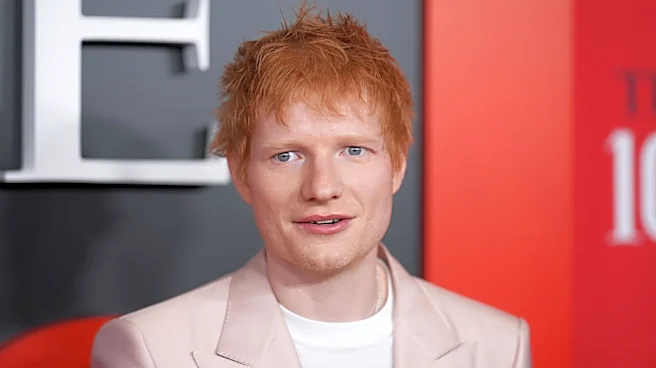
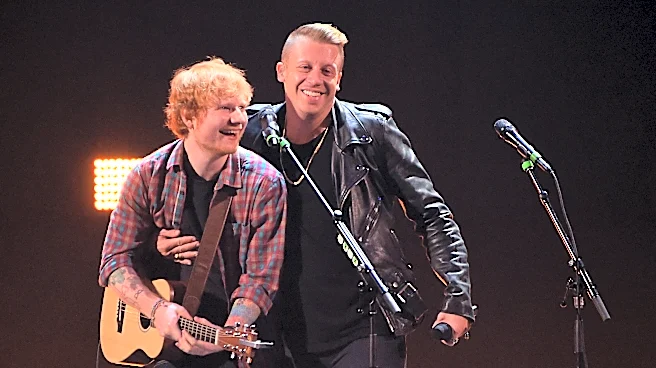
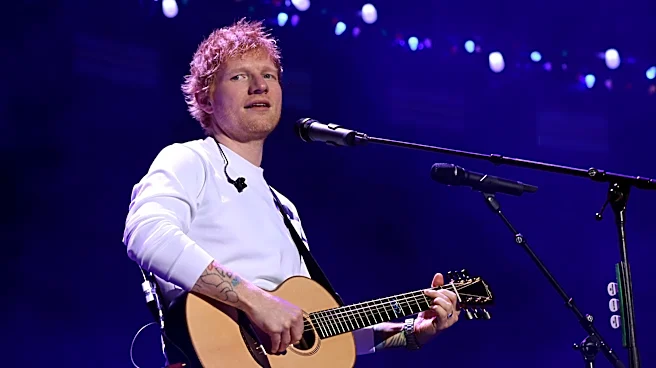
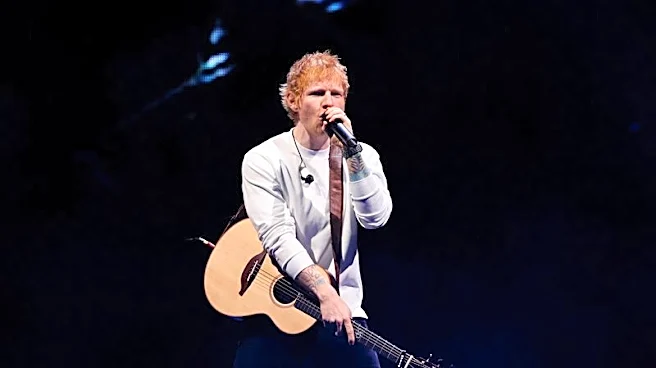
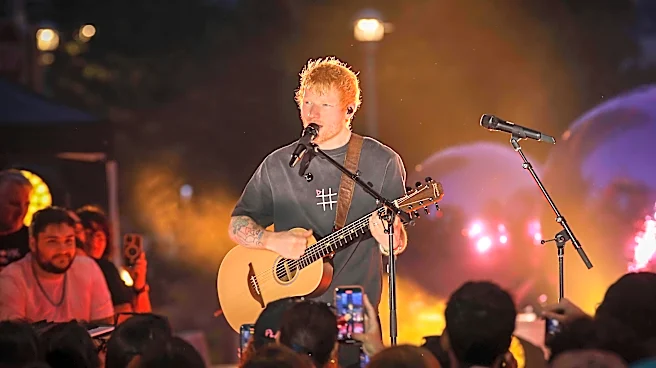
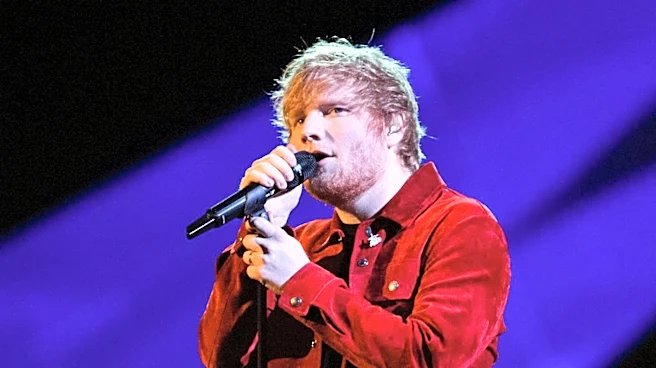
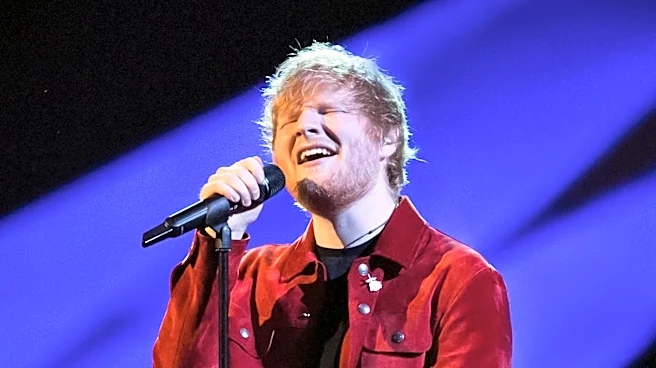
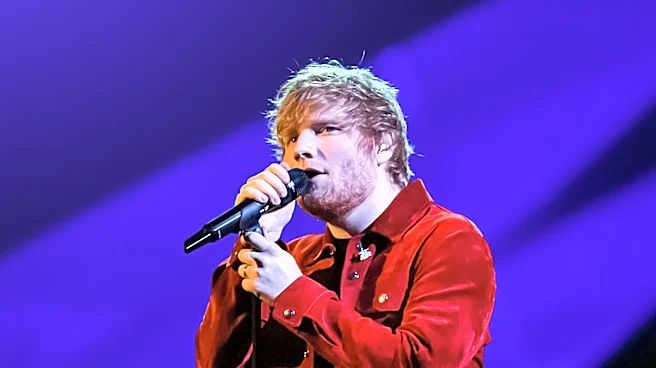
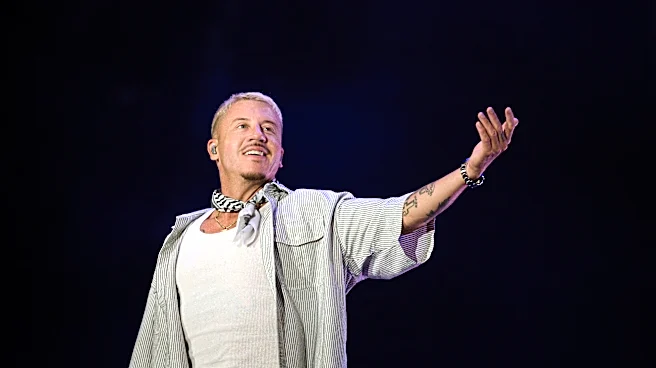
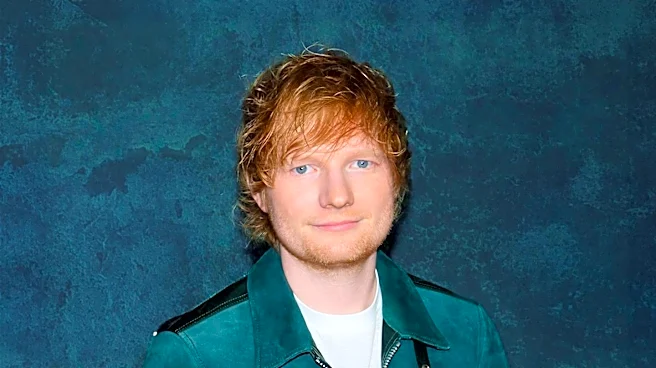
Ed Sheeran has issued a statement clarifying that the decision to remove Macklemore from his tour was made by the promoters, not by him. This clarification comes after Macklemore alleged he was dropped from the tour due to his pro-Palestinian comments
made during performances, specifically mentioning 'Free Palestine' and performing his protest song 'Hind's Hall.' Macklemore claimed that New England Patriots owner Robert Kraft influenced this decision, threatening to cancel Sheeran's planned tour dates if Macklemore remained. Sheeran confirmed that he engaged in extensive discussions with venues and stakeholders, including Robert Kraft, throughout the week to 'build a bridge' and prevent tour cancellations. However, he stated that Macklemore's contract was with the promoter, Messina Touring Group, and it was their decision to remove the rapper to avoid impacting hundreds of thousands of fans due to potential venue cancellations. Sheeran emphasized that he would not abandon his fans, crew, and other supporting acts.
Why It's Important?
This incident highlights the increasing pressure on public figures and the entertainment industry to take stances on geopolitical conflicts, particularly the Israel-Palestine conflict. The removal of Macklemore from a major tour due to his political statements underscores the potential financial and professional repercussions artists face when expressing controversial views. It also reveals the significant influence of venue owners and promoters in shaping the content and messaging allowed on their stages. The controversy has sparked a broader debate about freedom of speech for artists, the role of celebrities in political discourse, and the economic leverage wielded by powerful individuals and organizations in the entertainment sector. The situation also brings to light the challenges artists like Sheeran face in balancing their personal views with their professional obligations and the expectations of a diverse fanbase.
What's Next?
Following Macklemore's departure, other supporting acts, including Finneas, Aaron Rowe, Beoga, and Lukas Graham, have announced their withdrawal from Ed Sheeran's tour in protest. This collective action by multiple artists indicates a growing solidarity among musicians regarding the issue of artistic freedom and advocacy for Palestine. The tour is scheduled to resume, but it remains to be seen how these withdrawals will impact the remaining dates and audience reception. The controversy may lead to further discussions within the music industry about contractual clauses related to political expression and the responsibilities of promoters and artists. It could also prompt more artists to publicly address their positions on the Israel-Palestine conflict, potentially leading to more boycotts or endorsements from various stakeholders.
Beyond the Headlines
The incident transcends a simple tour dispute, touching upon deeper societal issues concerning censorship, corporate influence, and the weaponization of public platforms. The involvement of a prominent figure like Robert Kraft, a sports team owner with significant business interests, in influencing artistic lineups raises questions about the intersection of sports, entertainment, and political advocacy. The differing approaches of Sheeran, who prefers a more diplomatic and unifying stance, and Macklemore, who uses his platform for direct political messaging, illustrate the varied strategies artists employ in navigating sensitive global issues. This event could contribute to a broader cultural shift where audiences increasingly expect artists to use their voices for social and political causes, while simultaneously exposing the vulnerabilities of artists to economic pressures when their views diverge from powerful interests.