




What's Happening?
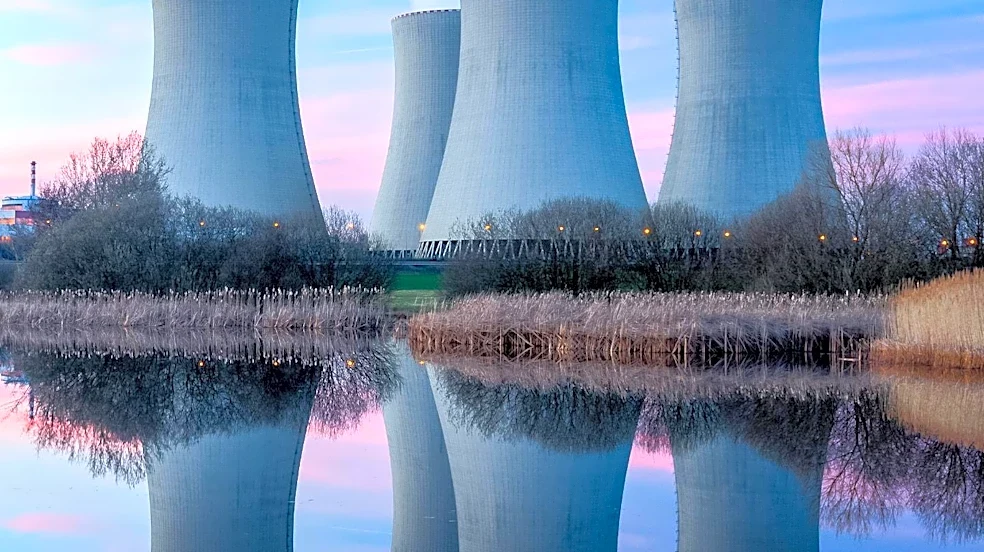
A new joint paper from the British Ports Association (BPA) and Lloyd’s Register (LR) is encouraging ports to begin structured planning for advanced nuclear technology. The report, titled 'Advanced Nuclear Technology Use Within Port Environments,' suggests
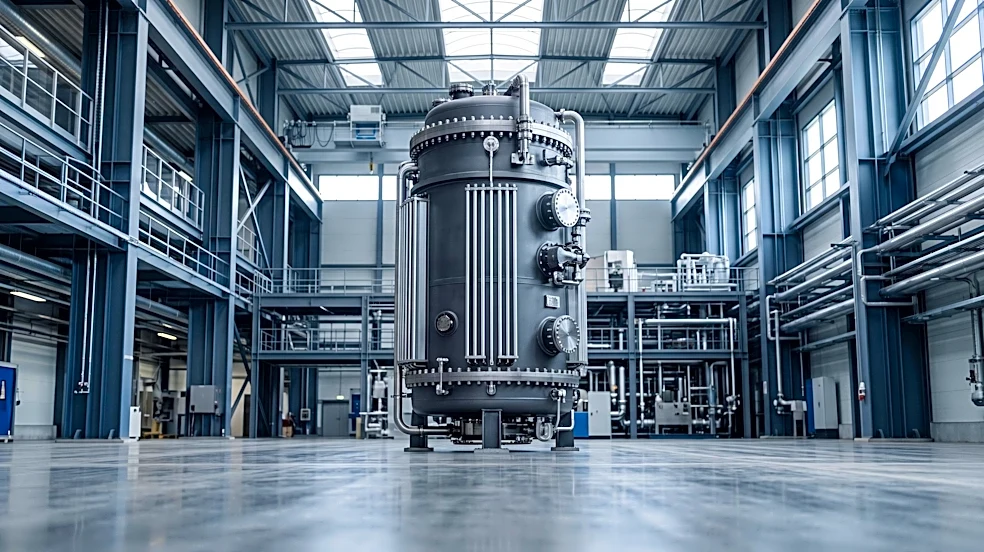
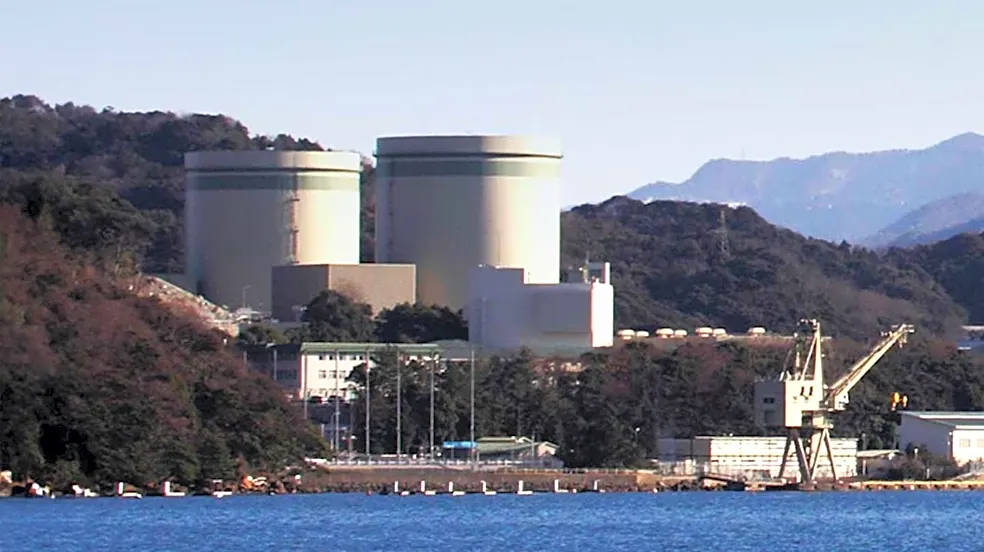
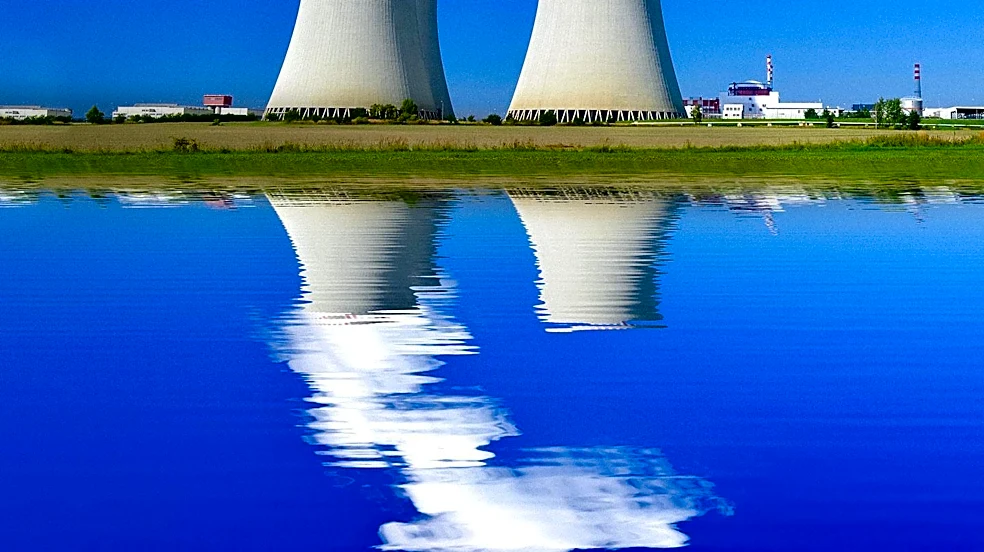
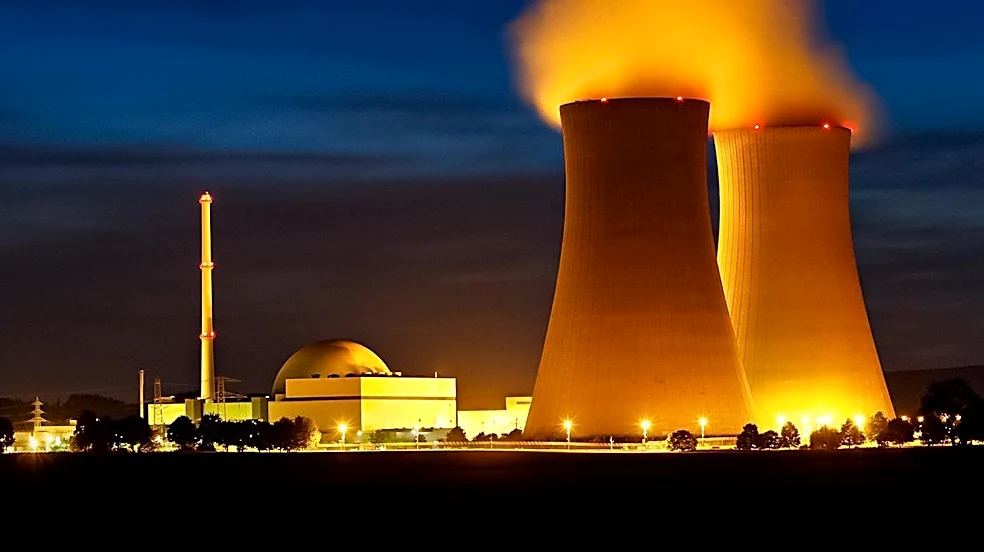
that nuclear power could meet ports' increasing demand for reliable, low-carbon energy and create new maritime and industrial opportunities. Potential applications include accommodating nuclear-powered ships, utilizing floating or transportable nuclear power units, and deploying land-based small modular reactors or microreactors to power port operations and support fuel production. The paper emphasizes that the primary barriers to adoption are not technical but rather relate to regulatory alignment, governance, emergency preparedness, liability, insurance, workforce capability, and public confidence. Ports are advised to integrate nuclear scenarios into existing marine safety-management systems rather than creating separate regimes, leveraging current practices for managing dangerous goods and hazardous cargoes.
Why It's Important?
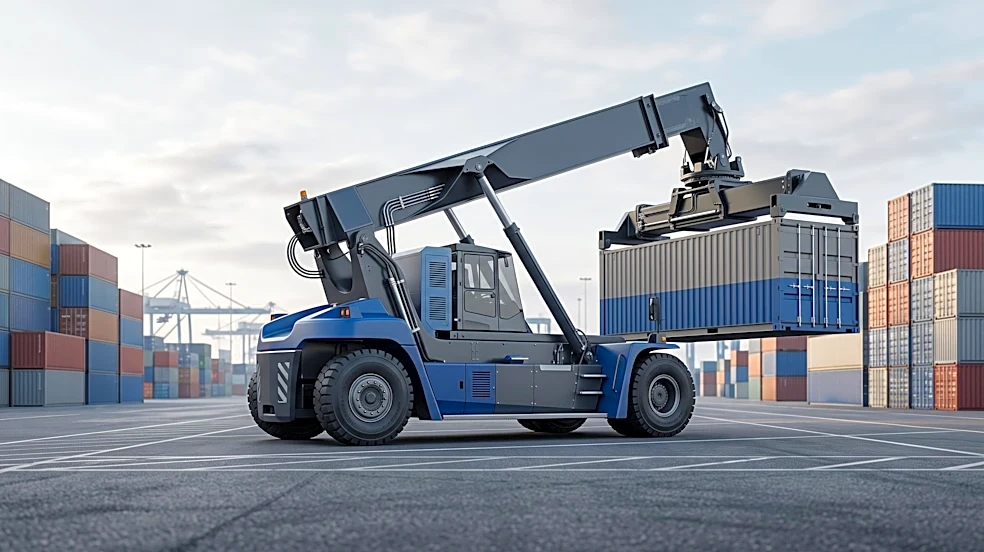
The integration of advanced nuclear technology could transform ports from significant energy consumers into resilient, low-carbon energy and industrial hubs. This shift has profound implications for energy independence, environmental sustainability, and economic development within the maritime sector. Beyond simply accommodating nuclear-powered vessels, ports could use advanced reactors to provide baseload electricity for their estates, shore power, cargo-handling equipment, cold storage, and neighboring industries. Furthermore, nuclear energy could support the production of hydrogen and synthetic fuels, positioning ports as key players in the broader clean energy transition. This initiative could also foster new high-value capabilities in shipbuilding, reactor-module integration, inspection, maintenance, specialist logistics, and decommissioning, creating new jobs and economic opportunities. Early preparation is crucial for ports to make informed investment decisions, maintain public confidence, and influence the evolving regulatory and commercial frameworks.
What's Next?
The paper proposes a tiered readiness model for ports, ranging from 'nuclear-aware' to 'nuclear-ready' and ultimately 'nuclear-enabled' or operating as a nuclear energy hub. Recommended immediate actions include mapping stakeholders, assessing future energy demand and grid constraints, engaging regulators early, and preparing clear, evidence-led communications for workforces and local communities. A staged pathway from initial orientation and feasibility assessment to development and delivery is outlined to help ports build evidence and confidence before committing major capital. International regulation remains a significant challenge, as existing maritime nuclear frameworks pre-date modern advanced reactor designs. Therefore, collaboration among ports, governments, regulators, classification societies, insurers, and technology developers will be essential to clarify responsibilities and shape workable national and international approaches.
Beyond the Headlines
The push for advanced nuclear technology in ports extends beyond immediate energy needs, touching upon long-term strategic shifts in global energy infrastructure and maritime operations. Ethically, the deployment of nuclear technology necessitates robust public engagement and transparent communication to build and maintain trust, addressing concerns about safety, waste management, and emergency response. Legally, the harmonization of nuclear and maritime safety regimes is a complex undertaking, requiring international cooperation to establish clear liability frameworks and regulatory oversight. Culturally, this initiative could redefine the public perception of nuclear energy, moving it from a controversial power source to a cornerstone of sustainable industrial development. The long-term implications include the potential for a more resilient and self-sufficient energy grid for port cities, reduced carbon emissions from shipping and port operations, and the establishment of new industrial ecosystems centered around advanced nuclear capabilities.