






What's Happening?
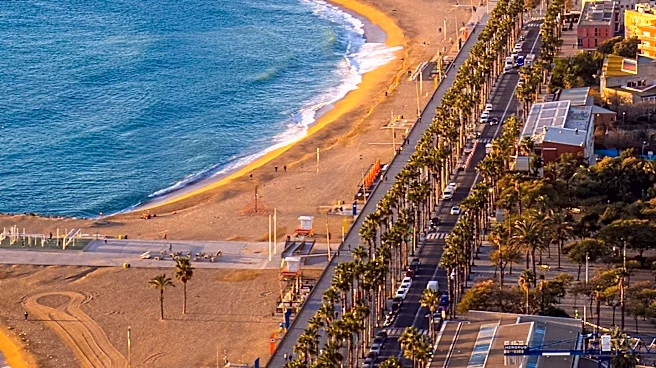
Barceloneta, a neighborhood in Barcelona's Ciutat Vella district, is renowned for its beaches, seafood restaurants, and proximity to major attractions. Originally built in the 18th century to house residents displaced by the construction of the Ciutadella
fortress, it has evolved significantly. With the development of Port Vell and Port Olímpic, Barceloneta has become a prime destination for both tourists and locals. Key attractions nearby include the Barcelona Aquarium, IMAX theatre, Maremagnum shopping center, and numerous nightclubs. Its location near the Barcelona Port and within walking distance or a short metro ride to city sightseeing spots makes it an ideal choice for visitors seeking beach access and urban exploration.
Why It's Important?
Barceloneta's transformation illustrates the dynamic interplay between historical preservation, urban development, and tourism. Its evolution from a residential area for displaced citizens to a bustling tourist hub highlights how urban planning can reshape a district's identity and economic function. The concentration of attractions and amenities in Barceloneta significantly contributes to Barcelona's tourism economy, drawing visitors who seek a blend of beach leisure and cultural experiences. This development also impacts local businesses, particularly in the hospitality and retail sectors, creating jobs and driving economic activity. However, such rapid growth can also lead to challenges like gentrification and increased cost of living for long-term residents, a common issue in popular tourist destinations.
What's Next?
As Barceloneta continues to attract tourists, future developments will likely focus on balancing visitor demands with the needs of its residential community. This could involve further enhancements to public infrastructure, sustainable tourism initiatives, and regulations to manage the impact of tourism on local life. The area's appeal as a beach destination suggests continued investment in its coastal amenities and waterfront activities. Additionally, its proximity to cultural landmarks like Las Ramblas and Parc de la Ciutadella ensures its continued integration into broader city tourism strategies. The ongoing evolution of Port Vell and Port Olímpic will also likely influence Barceloneta's future trajectory, potentially bringing new attractions or services to the area.
Beyond the Headlines
Barceloneta's story is a microcosm of urban development in many historic European cities, where the past is continually reinterpreted to meet contemporary demands. The neighborhood's origins, rooted in displacement due to royal decree, offer a poignant historical context to its current vibrant, yet sometimes contested, identity. The balance between preserving its unique character as a traditional fishing quarter and accommodating the influx of modern tourism presents ongoing challenges. This includes managing the cultural impact of tourism on local traditions and community life. The area serves as a case study for urban planners and policymakers grappling with how to foster economic growth through tourism while maintaining the authenticity and liveability of historic neighborhoods.