







What's Happening?
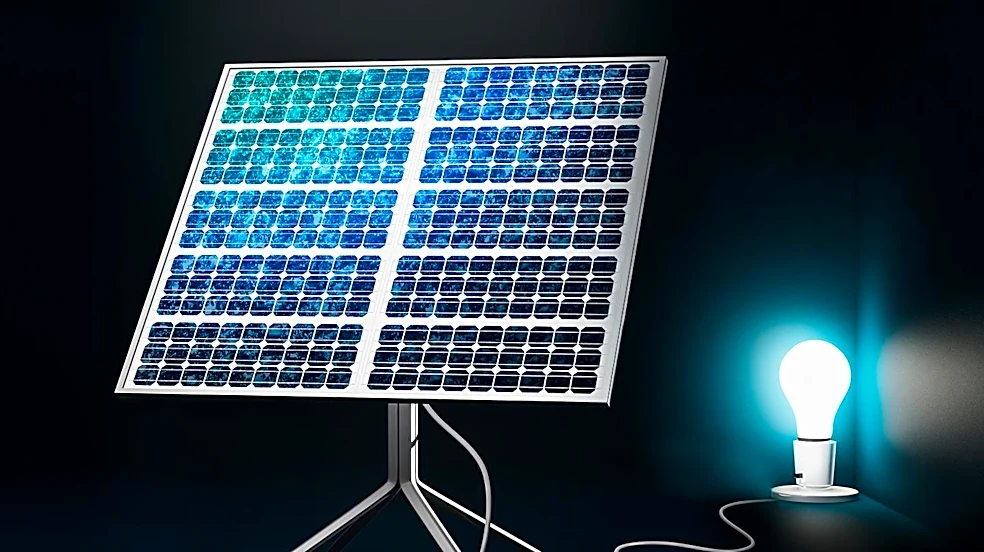
The concept of energy security is undergoing a fundamental transformation due to global electrification, moving away from continuous fuel imports towards the trade of productive equipment. Historically, energy security focused on securing a constant flow
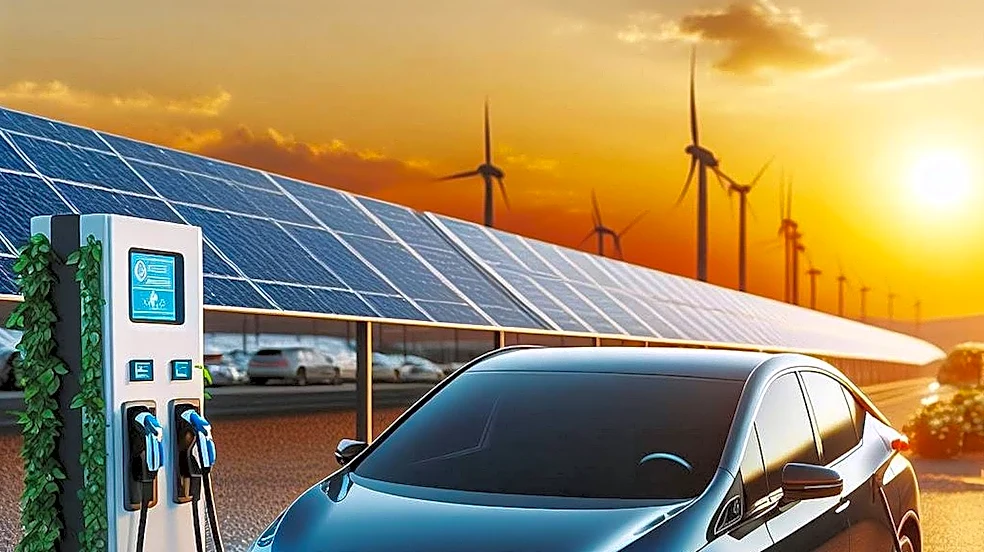
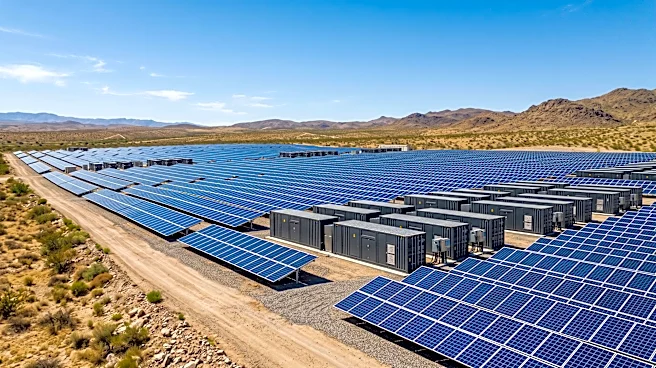
of consumable fuels like oil, gas, and coal. However, with electrification, countries are increasingly importing assets such as solar panels, batteries, and electric vehicles, which then generate or store energy domestically for years. This shift means that while supply chains remain international, the economic dependency changes from recurring fuel purchases to one-time equipment investments. This new paradigm emphasizes strategic interdependence, advocating for diverse suppliers, multiple routes, and sufficient domestic capability to absorb shocks, rather than striving for complete national self-sufficiency in energy production.
Why It's Important?
This redefinition of energy security has profound implications for U.S. economic policy, national security, and global trade relations. For the U.S., it means a potential reduction in vulnerability to volatile global fossil fuel markets and geopolitical disruptions in oil-producing regions. By investing in domestic manufacturing and deployment of renewable energy technologies, the U.S. can enhance its energy independence and economic resilience. However, it also highlights new dependencies on international supply chains for critical components like solar panels and batteries, many of which are currently dominated by specific countries. This necessitates a strategic focus on diversifying these supply chains, fostering domestic production capabilities, and securing access to critical minerals. The shift also presents opportunities for U.S. technology companies and manufacturers to lead in the global clean energy transition, creating jobs and driving economic growth, while simultaneously addressing climate change goals.
What's Next?
The U.S. will likely continue to prioritize policies that support the domestic manufacturing and deployment of clean energy technologies, such as tax incentives, research and development funding, and infrastructure investments. Efforts to diversify supply chains for critical minerals and renewable energy components will intensify, potentially through international partnerships and trade agreements. There will be a continued push for grid modernization and expansion of energy storage solutions to integrate more renewable energy sources effectively. Furthermore, the U.S. will need to navigate the geopolitical complexities of new energy dependencies, particularly concerning countries that dominate the production of key clean energy technologies. This could involve strategic alliances and diplomatic efforts to ensure stable and secure access to necessary components, while also promoting fair trade practices and preventing monopolistic control over the clean energy sector.
Beyond the Headlines
The transition to an electrified energy system presents deeper implications beyond immediate economic and security concerns. It fundamentally alters the geopolitical landscape, shifting power dynamics from fossil fuel-rich nations to those with technological prowess in renewable energy and access to critical minerals. This could lead to new forms of resource competition and strategic alliances. Ethically, it raises questions about responsible sourcing of minerals, labor practices in manufacturing, and the environmental impact of increased mining activities. The concept of 'strategic interdependence' suggests a more collaborative global energy future, but achieving this requires overcoming nationalistic tendencies and fostering genuine international cooperation. Long-term, this shift could lead to a more decentralized and resilient global energy system, but also one with new vulnerabilities that require proactive and adaptive policy responses to ensure equitable access and sustainable development worldwide.