
What's Happening?
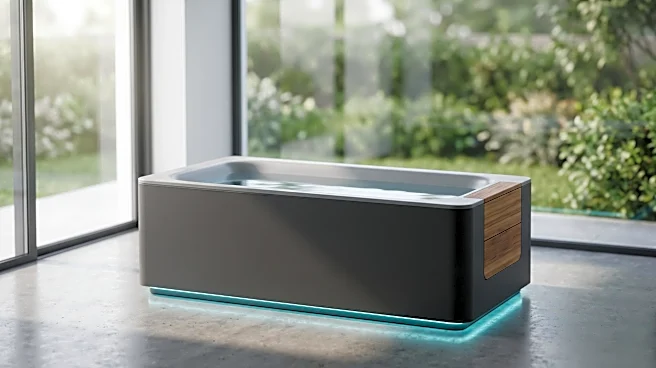
Cold plunges, or cold-water immersion, are gaining popularity as a wellness habit, particularly for post-exercise recovery. Research indicates that cold plunges can reduce delayed-onset muscle soreness
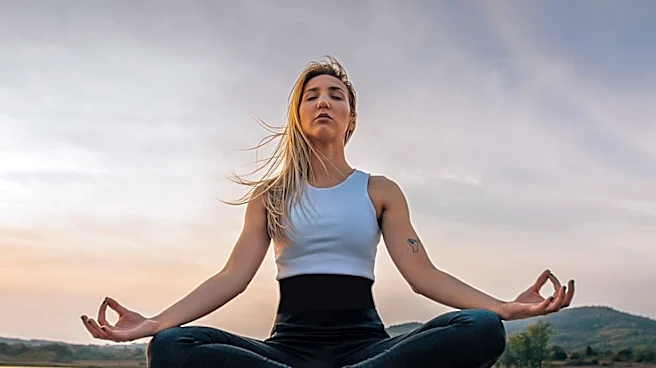
(DOMS) and influence short-term recovery responses in some situations. However, the benefits are not universal and depend on factors such as the type of exercise, the timing of immersion, and the specific outcome being measured. For instance, after a gentle yoga session, the additional recovery benefit from a cold plunge may be minimal due to the low physical demand of the practice. Conversely, after a demanding yoga session, a cold plunge might help with perceived soreness, though it remains an optional recovery tool. The physiological response to sudden cold-water immersion includes increased heart rate, rapid breathing, and elevated blood pressure, known as the cold-shock response. This highlights that cold plunges are a physical stressor, not merely a relaxation exercise. The American Heart Association advises caution for individuals with cardiac histories, as cold exposure increases cardiovascular stress. People with pre-existing cardiovascular conditions or other health concerns should seek medical advice before attempting cold plunges.
Why It's Important?
The increasing trend of cold plunges as a recovery method has significant implications for public health and wellness practices in the U.S. While some studies suggest benefits like reduced muscle soreness, the lack of universal efficacy and potential health risks, particularly for individuals with cardiovascular issues, underscore the need for informed decision-making. The distinction between perceived soreness reduction and actual physiological recovery is crucial; feeling less sore does not automatically mean muscles are fully recovered for another intense workout. This impacts athletes, fitness enthusiasts, and the general public seeking recovery solutions, as relying solely on cold plunges without understanding their limitations could lead to suboptimal recovery or even health complications. The commercialization of cold plunges, with varying temperatures and durations, further complicates the landscape, making it essential for consumers to prioritize safety and evidence-based practices over trends. Healthcare providers and wellness professionals play a vital role in educating individuals about the appropriate use and potential dangers of cold-water immersion, ensuring that this practice is adopted responsibly.
What's Next?
As the popularity of cold plunges continues to grow, further research is needed to establish more precise guidelines for their application across different exercise types and individual health profiles. This includes investigating optimal temperatures, durations, and timing of immersion to maximize benefits while minimizing risks. Educational campaigns from health organizations and wellness providers will be crucial to inform the public about the physiological effects of cold plunges, emphasizing safety precautions and the importance of medical consultation for at-risk individuals. The development of standardized protocols for commercial cold plunge facilities could also emerge to ensure user safety. Individuals considering cold plunges, especially after intense physical activity or if they have underlying health conditions, should consult with healthcare professionals to determine if it is a suitable and safe recovery method for them. The ongoing dialogue between scientific research, medical advice, and public wellness trends will shape the future integration of cold plunges into recovery routines.
Beyond the Headlines
The widespread adoption of cold plunges reflects a broader societal interest in biohacking and optimizing physical and mental performance, often driven by social media trends. This phenomenon highlights the tension between anecdotal wellness practices and scientific evidence. While the immediate invigorating sensation of a cold plunge can be appealing, the deeper implications involve understanding the body's complex physiological responses to stress and recovery. The emphasis on 'feeling better' versus 'being better' in terms of muscle recovery raises ethical questions about how wellness trends are marketed and consumed. It also underscores the importance of critical thinking and seeking expert advice in an era of readily available, but not always accurate, health information. The integration of practices like yoga and cold plunges, while seemingly complementary, requires a nuanced understanding of their individual effects and potential interactions. This trend also points to the evolving landscape of self-care, where individuals are increasingly seeking active interventions for well-being, moving beyond passive relaxation to more intense physiological challenges.