




What's Happening?
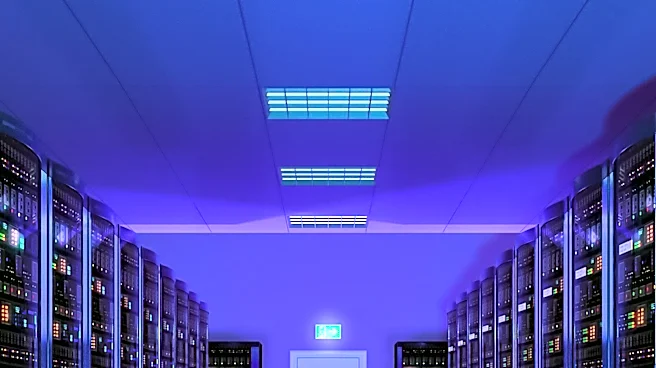
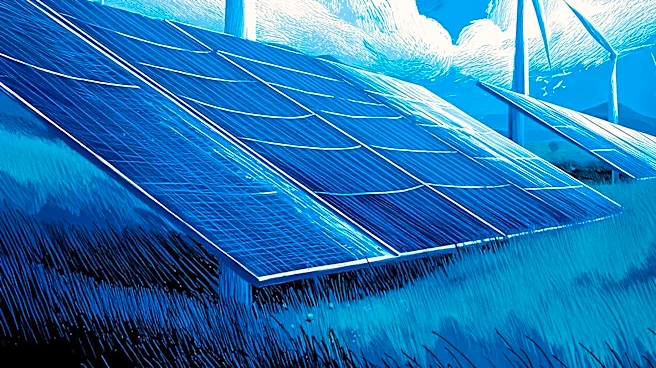
The U.S. Department of Energy (DOE) has released its Load Growth Playbook, which highlights that the optimal locations for new data centers will be where grid headroom, clean energy supply, and buildable land converge. This guidance comes as U.S. data centers,
which consumed approximately 176 TWh of electricity in 2023, are projected to increase their consumption to between 325 and 580 TWh by 2028, potentially accounting for up to 12% of national electricity use. The DOE asserts that this surge in demand can be met through a combination of clean generation, energy storage, grid upgrades, efficiency improvements, and flexible demand. The playbook frames data center growth as an opportunity to accelerate clean energy deployment, enhance demand flexibility, and modernize the grid. It outlines five key areas of federal support: grid-scale clean generation, grid infrastructure expansion, data center efficiency, demand flexibility, and technical assistance for states and communities.
Why It's Important?
The DOE's Load Growth Playbook signifies a critical shift in how the U.S. government views and plans for the energy demands of the rapidly expanding digital economy. By emphasizing the co-location of data centers with grid headroom and clean energy, the playbook aims to guide development towards sustainable and resilient energy solutions. This approach is crucial for mitigating the environmental impact of data centers, which are becoming significant electricity consumers, and for preventing strain on existing grid infrastructure. For developers, this means that power availability, rather than land price or tax incentives, will increasingly dictate site selection. This focus could drive investment in renewable energy projects and grid modernization efforts in specific regions, creating new economic opportunities while also posing challenges for areas lacking sufficient clean energy resources or grid capacity. The playbook also underscores the importance of energy efficiency and demand flexibility in managing this growing load.
What's Next?
Developers of data centers and renewable energy projects are expected to increasingly prioritize sites that align with the DOE's playbook criteria. This will involve screening for substation offtake and available transfer capacity before considering land. Renewable developers will likely see data centers as a new class of offtake counterparty, willing to contract directly for clean supply near their campuses. The DOE's ongoing initiatives, such as the 'Speed to Power' request for information, which seeks large-scale generation and transmission projects, will continue to shape the landscape. Furthermore, states and communities that actively plan for large loads and offer streamlined permitting processes will become more attractive for development. The emphasis on grid upgrades and reconductoring projects suggests that tracking these infrastructure improvements will be key for identifying future development hotspots, as they can significantly alter a market's headroom within a few years.
Beyond the Headlines
The DOE's Load Growth Playbook reflects a deeper recognition of the intertwined futures of digital infrastructure and sustainable energy. The massive energy requirements of AI and data centers are not just an operational challenge but a catalyst for accelerating the clean energy transition. This strategic alignment could lead to innovative partnerships between tech companies and energy providers, fostering the development of localized, resilient microgrids powered by renewables and storage. However, it also raises questions about equitable access to these resources, as certain regions may become more desirable for development, potentially leading to disparities in energy infrastructure and economic growth. The playbook's focus on efficiency and demand flexibility also highlights a cultural shift towards more intelligent energy consumption, where large users actively participate in grid management rather than passively consuming power, setting a precedent for other energy-intensive industries.