




What's Happening?
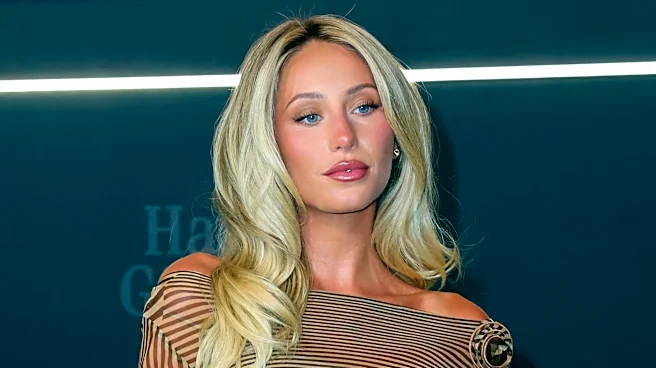
Alix Earle has publicly addressed her falling out with Alex Cooper, host of the 'Call Her Daddy' podcast, in the first season of her Netflix reality series, 'Earle Meets World'. Earle alleges that she felt 'betrayed' by Cooper, claiming Cooper 'took advantage'
of her admiration. A significant point of contention for Earle was learning that her own podcast, 'Hot Mess', had been dropped by Cooper's Unwell Network through media reports rather than direct communication. This revelation sheds light on the behind-the-scenes dynamics and professional relationships within the podcasting industry, particularly concerning emerging talent and established figures. The details provided by Earle suggest a breakdown in trust and communication, leading to a public disclosure of the dispute. The incident highlights the complexities of business partnerships in the entertainment sector, where personal admiration can intersect with professional dealings, sometimes leading to unexpected conflicts.
Why It's Important?
This public disclosure by Alix Earle is significant for several reasons within the entertainment and digital media landscape. Firstly, it underscores the potential pitfalls for emerging creators when partnering with more established figures or networks. Earle's account of feeling 'betrayed' and learning about her podcast's cancellation through the media could serve as a cautionary tale for other influencers navigating similar career paths. Secondly, it impacts the reputations of both individuals involved. For Alex Cooper and the Unwell Network, these allegations could raise questions about their business practices and treatment of talent. For Alix Earle, sharing her side of the story could resonate with her audience, potentially strengthening her brand as someone who advocates for transparency and fair treatment. The incident also draws attention to the power dynamics inherent in such collaborations, where one party may hold more leverage, influencing outcomes and communication protocols. This event could prompt broader discussions within the influencer community about contract transparency, communication ethics, and the protection of creators' interests.
What's Next?
Following Alix Earle's public statements, several outcomes are possible. Alex Cooper or the Unwell Network may choose to issue a public response, either to refute the claims, offer an explanation, or acknowledge the situation. Such a response could further fuel public discussion or potentially lead to a resolution, though a public reconciliation seems less likely given the nature of Earle's allegations. For Alix Earle, this disclosure could mark a new chapter in her career, potentially leading to new partnerships or a more independent path for her 'Hot Mess' podcast. The incident might also influence how other influencers approach deals with larger networks, possibly leading to more stringent contract negotiations and demands for clearer communication clauses. The broader digital media industry may also observe these developments closely, as it could set precedents for how disputes between creators and networks are handled and perceived by the public and other industry professionals.
Beyond the Headlines
Beyond the immediate fallout, this situation touches upon deeper themes within the creator economy. It highlights the often-unspoken power imbalances between individual creators and the networks or platforms they partner with. The narrative of an established figure allegedly 'taking advantage' of an emerging talent's 'admiration' speaks to the vulnerability of new creators who may be eager for opportunities and less experienced in navigating complex business relationships. This incident could spark a broader conversation about mentorship versus exploitation in the digital space, prompting creators to seek more robust legal counsel and clearer contractual terms. Furthermore, the public nature of this dispute, aired on a reality series, reflects the increasing trend of influencers using their platforms to control their narratives and address personal and professional challenges directly with their audience, bypassing traditional media filters. This shift empowers creators but also blurs the lines between personal life and public persona, adding another layer of complexity to their professional journeys.