




What's Happening?
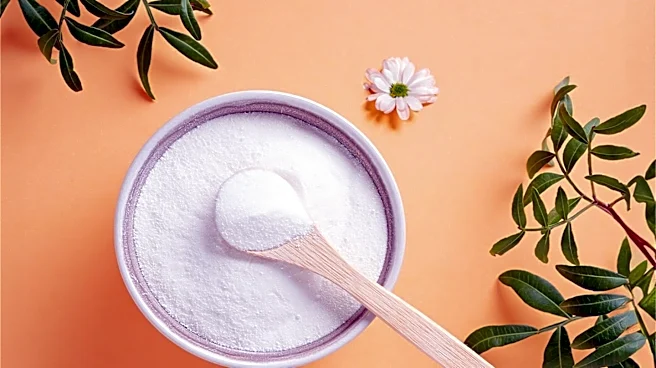
Herbal Goodness has published a detailed guide comparing sea moss gel and sea moss powder, offering practical advice for kitchen use, storage, and sourcing. The guide explains the production methods for both forms, highlighting that gel is rehydrated
and blended sea moss, while powder is dehydrated and finely ground. It delves into the texture, flavor, and culinary applications of each, noting that gel is ideal for smoothies and sauces due to its thick consistency, while powder is better for baking, dry mixes, or homemade capsules. The article also provides crucial information on shelf life, storage recommendations, and how to perform at-home quality checks for freshness and authenticity.
Why It's Important?
This comprehensive guide from Herbal Goodness is important for U.S. consumers and the health and wellness industry as it demystifies a popular superfood, sea moss. As more Americans seek natural health solutions and functional foods, clear and practical information on products like sea moss becomes essential. The guide empowers consumers to make informed choices based on their specific needs, whether for cooking, storage, or nutritional intake. For businesses in the health food sector, this type of educational content can build trust and help differentiate products by providing transparency and practical usage tips. It also addresses common questions and concerns, potentially increasing the adoption of sea moss as a dietary supplement and culinary ingredient across various demographics.
What's Next?
Following the publication of this guide, it is anticipated that consumers will have a clearer understanding of how to effectively use and store sea moss products. This could lead to increased sales of both sea moss gel and powder, as individuals become more confident in incorporating them into their diets. Manufacturers and retailers might see a rise in demand for ethically sourced and clearly labeled sea moss products, as the guide emphasizes the importance of origin and processing methods. Furthermore, the detailed comparison could inspire more culinary experimentation with sea moss, leading to new recipes and product innovations in the health food market. Educational content like this also sets a standard for transparency in the superfood industry.
Beyond the Headlines
Beyond the practical applications, the guide on sea moss reflects a broader trend in the U.S. towards natural and plant-based health solutions. The increasing popularity of sea moss, along with other functional foods, highlights a consumer desire for ingredients that offer multiple health benefits beyond basic nutrition. This movement also brings to light the importance of sustainable harvesting practices, especially for marine-derived products, to ensure ecological balance and long-term availability. The emphasis on at-home quality checks and responsible sourcing encourages consumers to be more discerning about their purchases, fostering a more informed and ethical marketplace for health products. This shift could also influence regulatory bodies to consider clearer labeling standards for such emerging superfoods.