






What's Happening?
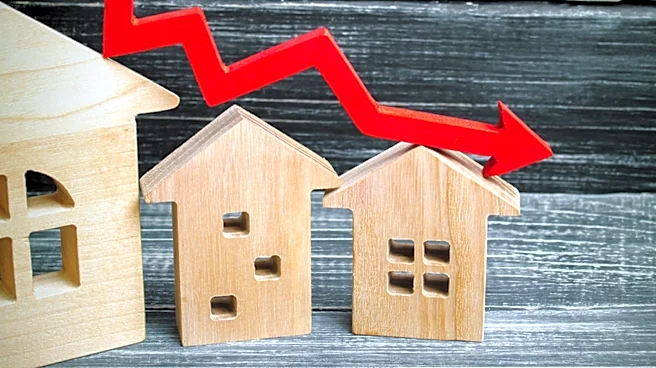
Norfolk County's real estate market saw a decrease in property sales and mortgage recordings in October 2026 compared to the previous year, according to a November 5 press release from the Norfolk Registry of Deeds. The Registry recorded 1,474 deeds,
an 8% drop from October 2025. Property sales specifically fell by 12% to 690 transactions. Mortgage recordings also declined significantly by 25%, totaling 1,377. Despite these decreases in volume, the total value of commercial and residential property sales increased by 7% to $862.4 million, and the average sale value rose by 22% to approximately $1.25 million. Similarly, total mortgage borrowing increased by 21% to $1.35 billion, even with fewer mortgages recorded. Norfolk County Register of Deeds William P. O'Donnell attributed these trends to inflation and higher borrowing costs, which are influencing real estate activity.
Why It's Important?
The data from Norfolk County highlights the ongoing impact of economic factors, such as inflation and elevated interest rates, on the U.S. housing market. The decline in the number of property sales and mortgage recordings indicates that higher borrowing costs are deterring potential buyers and refinancing activities. This trend could signal a broader slowdown in real estate transactions across other regions facing similar economic pressures. While the average sale value and total borrowing amounts have increased, suggesting that higher-value properties are still transacting or that buyers are taking on larger loans despite higher rates, the overall reduction in activity points to affordability challenges. This situation affects not only individual homeowners and prospective buyers but also the broader financial sector, including lenders and real estate agencies, as transaction volumes decrease.
What's Next?
Register O'Donnell anticipates that borrowing costs and affordability concerns will continue to influence real estate activity in Norfolk County. The current mortgage rates, significantly higher than those seen in recent years, are expected to keep many potential buyers cautious about entering the market or taking on additional debt. Homeowners facing financial hardship are encouraged to seek assistance early, with the Registry advising contact with the Massachusetts Attorney General's Consumer Advocacy and Response Division (CARD). This proactive approach aims to mitigate potential increases in foreclosures, as notices to foreclose have already seen a slight rise. The market will likely continue to adjust to these economic conditions, with potential implications for housing inventory, pricing stability, and the overall pace of real estate development in the region.
Beyond the Headlines
The Norfolk County real estate trends reflect a broader economic recalibration where consumers are grappling with increased costs across various sectors. The decision to purchase a home or take on a larger mortgage is now heavily weighed against rising expenses for groceries, fuel, and utilities, which erode disposable income and savings for down payments. This shift could lead to a prolonged period of market adjustment, potentially altering long-term homeownership patterns and wealth accumulation strategies. Furthermore, the emphasis on early intervention for homeowners facing financial distress underscores the potential for increased economic vulnerability among certain segments of the population. The data also suggests a growing divergence between the ability of different income brackets to participate in the housing market, with higher-value transactions continuing while overall volume declines, potentially exacerbating wealth inequality.