


What's Happening?
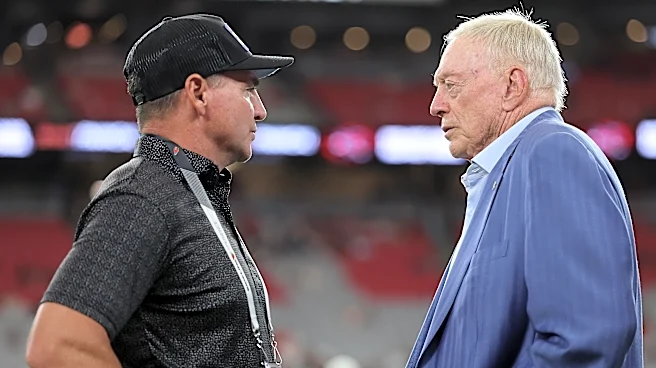
Dallas Cowboys owner and general manager Jerry Jones stated on Friday that the NFL is nearing a transition to an 18-game regular season, potentially as soon as next year, provided negotiations with players are successful. Jones made these remarks during
his weekly appearance on 105.3 The Fan’s K&C Masterpiece. The NFL expanded its regular season to 17 games in 2021, and the current collective bargaining agreement (CBA) with the NFL Players Association (NFLPA) is set to run through the 2030 season. Jones indicated that a shorter preseason would accompany this change, with teams using the initial regular-season games for development, a role currently filled by preseason games. He emphasized that such a move would be in the best interest of all parties involved, especially the players. Jones also mentioned a recent meeting with the new head of NFL labor, who subsequently met with players, suggesting ongoing discussions regarding potential changes to the league structure.
Why It's Important?
The potential shift to an 18-game NFL season carries significant implications for the league, its players, and its business model. For players, an extended regular season could mean increased physical demands and a higher risk of injuries, which would be a central point of negotiation for the NFLPA. However, it could also lead to increased revenue sharing and higher salaries. For the NFL, an 18-game schedule would likely boost television rights deals, advertising revenue, and ticket sales, further solidifying its position as a dominant sports entity. The reduction in preseason games would alter team preparation strategies and player evaluation processes, potentially impacting how rookies and developing players gain experience. This move reflects the league's continuous effort to maximize its product and revenue, balancing player welfare with economic growth. The success of these negotiations will set a precedent for future labor discussions in professional sports.
What's Next?
The immediate next steps involve continued negotiations between the NFL and the NFL Players Association regarding the proposed 18-game regular season. Jerry Jones's comments suggest that discussions are already underway, with recent meetings between league officials and player representatives. For the change to be implemented as early as next year, an agreement would need to be reached relatively quickly, potentially requiring amendments to the current collective bargaining agreement. Key areas of negotiation will likely include player safety protocols, compensation adjustments for the additional game, and the structure of the preseason. Stakeholders, including team owners, players, and broadcast partners, will closely monitor these developments. The outcome will depend on the NFL's ability to address player concerns while advancing its strategic goals for league expansion and revenue generation.
Beyond the Headlines
The discussion around an 18-game NFL season extends beyond mere scheduling changes, touching upon deeper ethical and economic considerations within professional sports. Ethically, the increased workload on players raises questions about long-term health and career longevity, potentially intensifying debates around player welfare versus entertainment value. The league's ability to mitigate these risks through enhanced medical support, roster management, and compensation will be crucial. Economically, an 18-game season could further entrench the NFL's financial dominance, potentially widening the gap between it and other professional sports leagues. It also highlights the ongoing tension between labor and management in sports, where players seek fair compensation and protection while owners aim to maximize profits. This potential shift could also influence youth football and college football, as the professional game's demands trickle down, shaping player development and training methodologies from an early age.