



What's Happening?
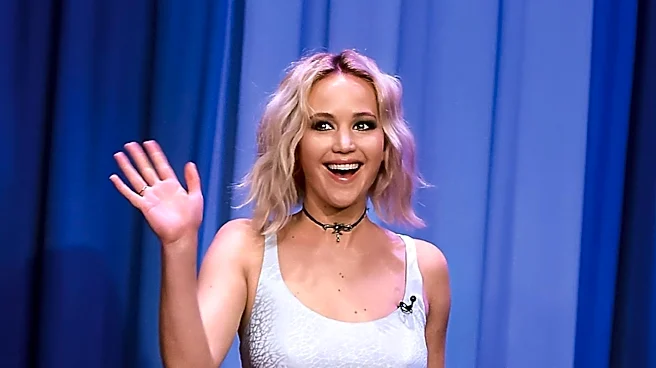
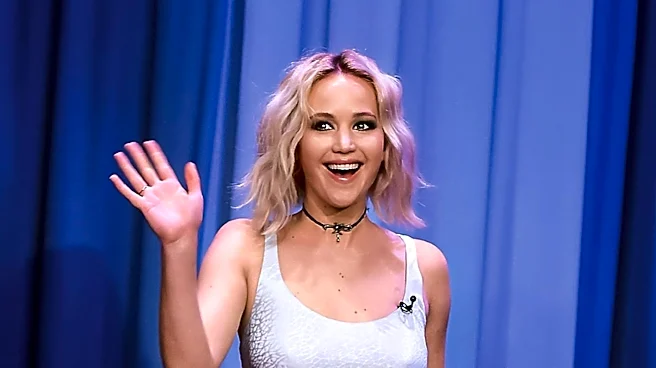
A recent podcast critique by Megyn Kelly has sparked a debate concerning Jennifer Lawrence's appearance and the broader issue of celebrity autonomy. The discussion centers on a magazine cover featuring Jennifer Lawrence and Kelly's subsequent commentary,
which questions who ultimately decides what a Hollywood star looks like. The conversation delves into the media's focus on female aging, the beauty industry's influence, and the fundamental question of whether a woman changing her face is a personal choice, a tragedy, or simply not a matter for public scrutiny. This event highlights the ongoing tension between public figures' personal decisions regarding their appearance and the intense public and media scrutiny they face.
Why It's Important?
This incident underscores the significant pressure placed on female celebrities in the U.S. to conform to specific beauty standards and the public's often critical response to perceived alterations. The debate over Jennifer Lawrence's appearance, fueled by Megyn Kelly's critique, reflects broader societal issues concerning body image, aging, and the objectification of women in media. It raises questions about the ethical responsibilities of media personalities when commenting on individuals' physical attributes and the potential impact on public perception and self-esteem. For the entertainment industry, such discussions can influence how celebrities are styled, photographed, and presented, potentially leading to increased reliance on digital enhancements or cosmetic procedures to meet perceived public expectations, thereby perpetuating unrealistic beauty ideals.
Beyond the Headlines
The 'Jennifer Lawrence and the Megyn Kelly Face Critique' goes beyond a simple celebrity gossip item, touching on profound cultural and ethical dimensions. It brings to the forefront the concept of bodily autonomy for public figures and the extent to which their personal choices are subject to public ownership and judgment. The 'media obsession with female aging' and the 'beauty industry's influence' are powerful forces that shape societal norms and individual self-perception. This debate challenges the audience to consider the implications of a culture that constantly scrutinizes and critiques women's appearances, particularly as they age. It also prompts reflection on the role of media in either reinforcing or challenging these often-unrealistic standards, and the potential for such critiques to contribute to a more critical and empathetic understanding of celebrity culture.