
What's Happening?
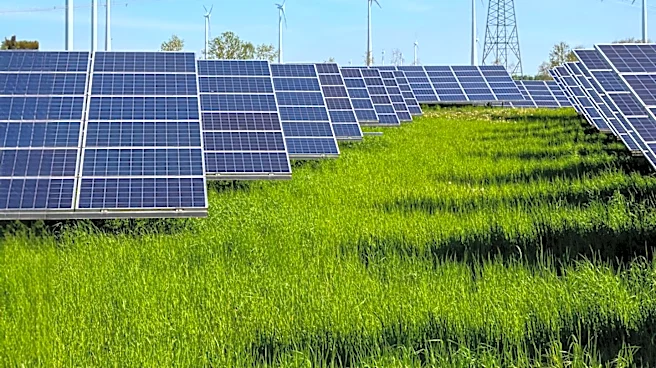
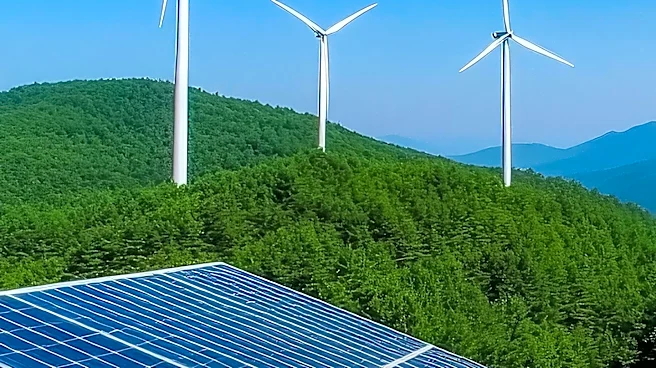
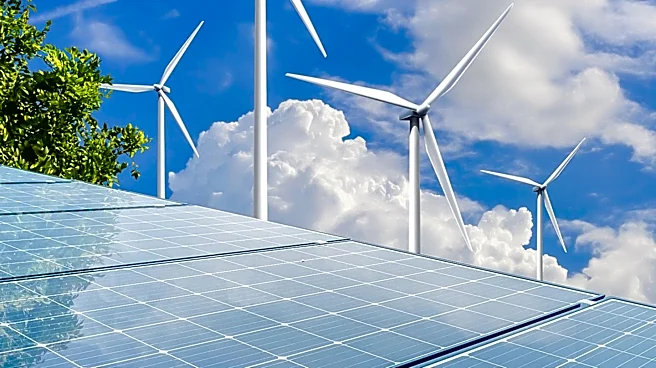
Hawaiian Electric Company (HECO) has announced plans to introduce approximately 1,650 gigawatt-hours of new solar and wind power, aiming to reduce the state's reliance on oil. Currently, Oʻahu generates
about 70% of its electricity from petroleum. In addition to renewable energy, HECO is exploring new fuel-based power sources, including liquefied natural gas (LNG). The utility has requested approval from the Public Utilities Commission for these initiatives, which could include a proposal from Japanese energy company JERA to build a 500 megawatt gas-fired plant on Oʻahu. HECO's approach aims to diversify Hawaii's energy portfolio and enhance energy security.
Why It's Important?
HECO's initiatives represent a significant step towards reducing Hawaii's dependence on fossil fuels and transitioning to a more sustainable energy system. The introduction of renewable energy sources is crucial for environmental sustainability and aligns with global efforts to combat climate change. The consideration of natural gas as a transitional energy source reflects the complexities of balancing immediate energy needs with long-term sustainability goals. These developments could influence energy policy and investment decisions in Hawaii and potentially serve as a model for other regions seeking to diversify their energy sources.
What's Next?
The Public Utilities Commission's decision on HECO's proposals will be pivotal in determining the future of Hawaii's energy landscape. If approved, the projects could lead to significant changes in energy infrastructure and consumption patterns. Stakeholders, including environmental groups and local communities, may engage in discussions and advocacy efforts to influence the decision-making process. The outcome could also impact Hawaii's economic landscape, affecting energy prices and investment opportunities. Continued monitoring of the regulatory process and stakeholder responses will be essential in understanding the broader implications of these initiatives.