

What's Happening?
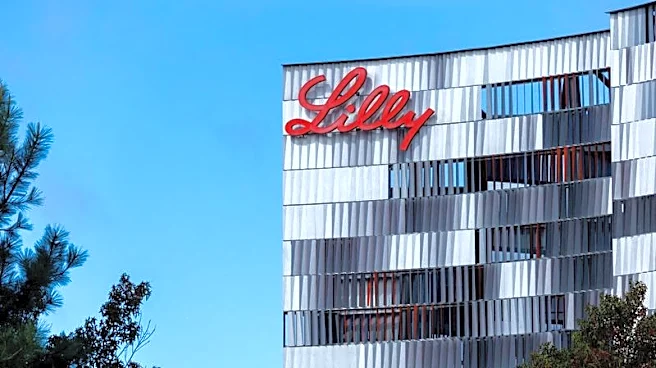
Eli Lilly reported second-quarter earnings and revenue that surpassed Wall Street expectations, driven by strong sales of its weight loss drug Zepbound and diabetes treatment Mounjaro. The company raised its full-year revenue forecast to between $85 billion
and $87 billion, up from previous guidance. Lilly's adjusted earnings per share were $8.38, exceeding the expected $6.01, with revenue reaching $22.97 billion. The company holds a 60.9% share of the U.S. obesity and diabetes drug market. Lilly's Mounjaro saw a 91% increase in worldwide revenue, while Zepbound's revenue rose 46%. The company is also expanding through acquisitions, including a recent deal to buy a psychedelics drugmaker.
Why It's Important?
Eli Lilly's strong financial performance underscores the growing demand for obesity and diabetes treatments, reflecting broader health trends in the U.S. The company's dominance in the GLP-1 drug market positions it well for continued growth, potentially influencing healthcare costs and access. Lilly's strategic acquisitions indicate a focus on diversifying its portfolio and expanding its market presence. This could lead to increased competition in the pharmaceutical industry, impacting drug pricing and innovation. Investors and stakeholders will be closely watching Lilly's ability to sustain its market leadership and manage the financial implications of its acquisition strategy.
What's Next?
Eli Lilly's continued success will likely depend on its ability to maintain its market share in the competitive GLP-1 drug sector and effectively integrate its recent acquisitions. The company's focus on expanding its product offerings and market reach could lead to further strategic deals. As demand for obesity and diabetes treatments grows, Lilly may face regulatory scrutiny and pricing pressures. The company's performance will be a key indicator for investors and could influence broader market trends in the pharmaceutical industry.