






What's Happening?
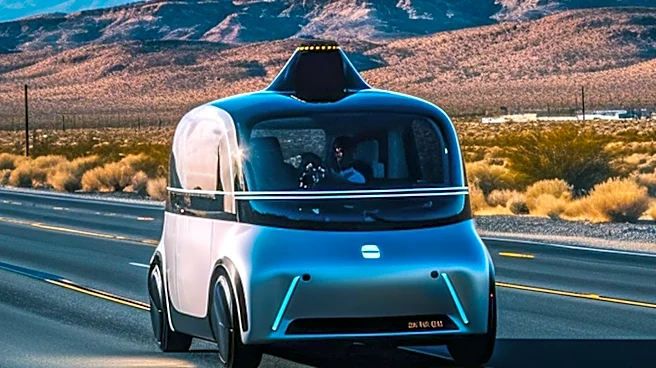
The robotaxi industry is rapidly expanding its operations across the United States and internationally. Waymo has opened its Dallas service to the public, while Amazon-owned Zoox plans to start charging for rides in Las Vegas. Tesla has also expanded
its Robotaxi service areas in Florida and Texas, offering limited unsupervised rides. Despite these expansions, safety concerns persist, particularly in navigating complex urban environments and emergency situations. Waymo, for instance, temporarily suspended freeway rides to address vehicle behavior around construction zones. The National Highway Traffic Safety Administration has highlighted issues with autonomous vehicles interfering with emergency responders.
Why It's Important?
The expansion of robotaxi services signifies a significant shift in urban transportation, potentially reducing reliance on human drivers and impacting the traditional taxi industry. However, the safety challenges associated with autonomous vehicles pose risks to public safety and could influence regulatory policies. The ability of these companies to address safety concerns will be crucial in gaining public trust and regulatory approval. The outcome of these developments could affect the future of autonomous vehicle technology and its integration into everyday life.
What's Next?
As robotaxi companies continue to expand, they will need to address safety issues more effectively to avoid regulatory pushback. The industry may face increased scrutiny from both local and federal regulators, which could lead to stricter safety standards and operational guidelines. Companies will likely invest in further technological advancements to improve vehicle safety and reliability. Public perception and acceptance of autonomous vehicles will play a critical role in the industry's growth and success.