


What's Happening?
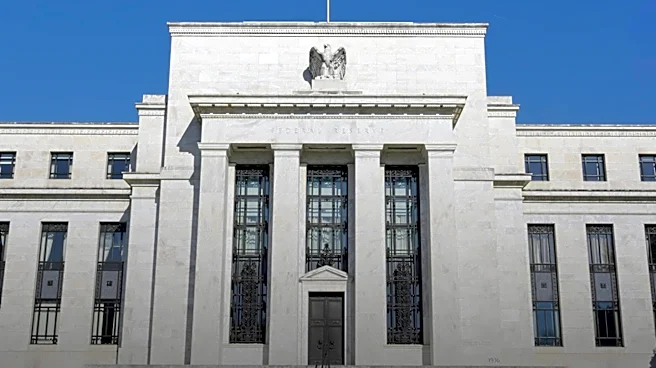
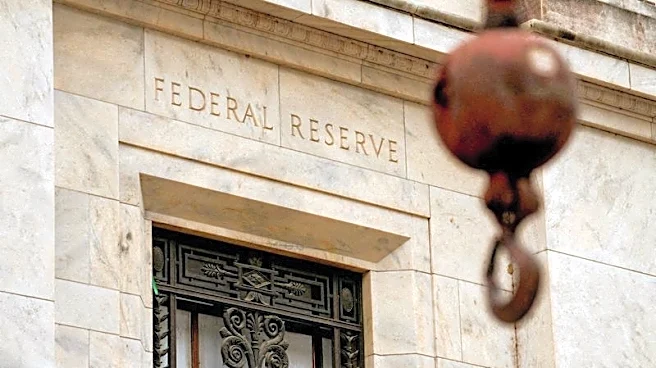
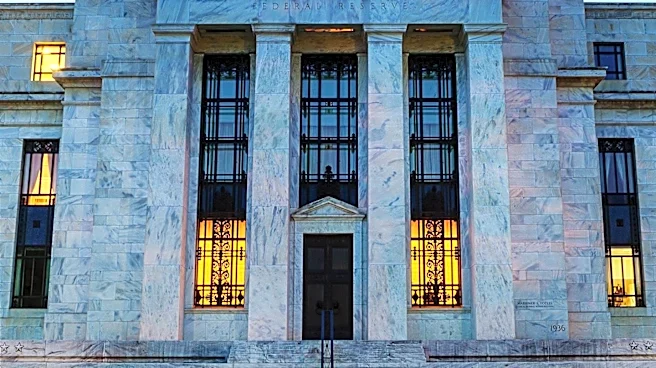
At the Federal Reserve's October 28 meeting, two officials, Lisa Cook and Beth Hammack, dissented from the majority decision to hold the target range steady, instead preferring an interest rate hike. This dissent, along with hawkish statements from other
Fed officials, indicates a strong likelihood of a rate increase at the upcoming December 8-9 meeting. Markets are already pricing in a very high probability of a hike, with prediction markets showing similar certainty. The context for this hawkish stance includes sticky inflation, strong economic growth, and recent data such as October core PCE inflation coming in hotter than expected and the second estimate of third-quarter GDP being revised up to the fastest pace in three years. October payrolls also rose by 165,000. New York Fed President John Williams and St. Louis Fed President Alberto Musalem have also made statements suggesting further tightening may be necessary.
Why It's Important?
The dissent by Federal Reserve officials Lisa Cook and Beth Hammack, coupled with other hawkish signals, is important because it underscores the central bank's commitment to combating persistent inflation, even if it means further tightening monetary policy. Higher interest rates directly impact borrowing costs for businesses and consumers, potentially slowing economic growth. For U.S. industries, this could translate to increased costs for capital, potentially dampening investment and expansion plans. The stock market, particularly growth stocks and the AI-heavy index, is sensitive to rising rates as higher borrowing costs reduce the present value of future earnings, leading investors to demand lower multiples. This environment could lead to a re-evaluation of equity valuations and a shift in investment strategies, with investors seeking cheaper valuations before re-entering the market. The Fed's actions are critical in shaping the economic landscape, influencing everything from housing markets to corporate profitability.
What's Next?
The Federal Reserve's policy committee is scheduled to meet on December 8 and 9, and markets are anticipating a rate hike. Two key data releases are expected before this meeting: the November jobs report on December 4 and November consumer price data. A strong showing in both reports would likely reinforce expectations for a rate hike and could even revive discussions about a larger move, as previously floated by Fed Governor Waller. Conversely, a sharp slowdown in these economic indicators could alter the tone and potentially influence the Fed's decision. Beyond December, the debate will shift to the possibility of further increases into 2027, with some officials, like Alberto Musalem, suggesting the economy may need several interest rate increases. The Office of the U.S. Trade Representative's proposed Section 301 tariffs on 14 economies, with comments due January 5, 2027, also loom as a variable, as tariffs can contribute to consumer prices.
Beyond the Headlines
The Federal Reserve's current trajectory, marked by internal dissent and a hawkish stance, highlights a deeper tension within monetary policy: balancing inflation control with economic growth. Governor Cook's argument that holding rates steady is an active policy choice, not a neutral one, underscores the ethical and economic implications of inaction when inflation remains elevated. The long-term shift could involve a more aggressive and sustained period of monetary tightening than initially anticipated, potentially leading to a re-calibration of market expectations regarding the Fed's reaction function. This could also trigger a broader re-evaluation of investment strategies, favoring value over growth in a higher interest rate environment. The ongoing debate about the sufficiency of past rate increases and the persistence of inflation suggests that the Fed may be entering a phase where it prioritizes price stability more emphatically, even at the risk of slower economic expansion. This could lead to a more cautious approach to fiscal policy and corporate spending in the coming years.