




What's Happening?
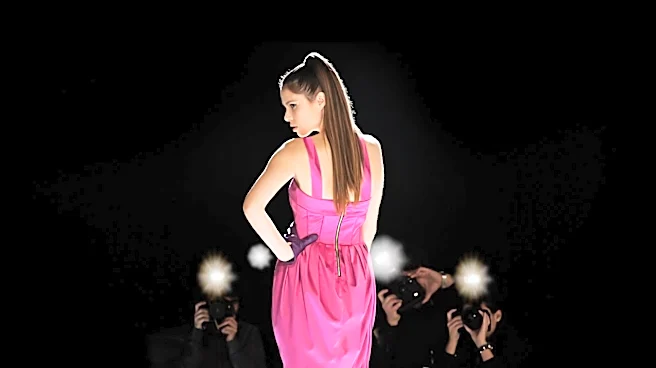
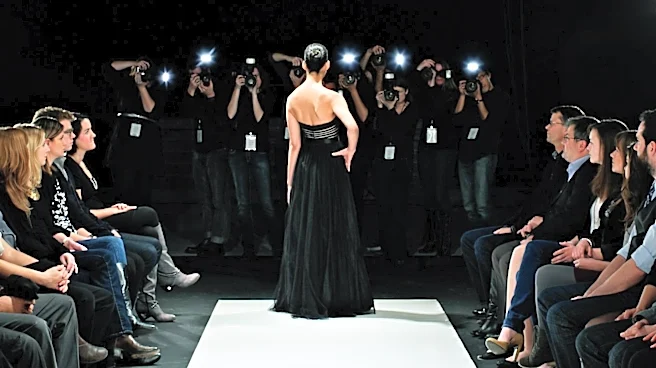
Vogue World Milan 2026 is scheduled for September 22, transforming the historic Galleria Vittorio Emanuele II into a dynamic live fashion stage. This event aims to integrate ballet, Italian craftsmanship, and contemporary runway spectacle. The production
will feature fashion, ballet, music, and architecture to create a cohesive Milanese experience. The central theme, 'The Human Touch in the Age of Technology,' will highlight 'Made in Italy' and its current relevance. The event seeks to explore how a city's material memory can contribute to fashion's future without losing its essence, treating fashion as a civic art that interacts with architecture, commerce, and public attention. Viewers are encouraged to observe the transitions between segments as closely as the individual fashion looks, as the meaning of the event will emerge through its editing and the sequence of its various artistic components. The livestream will begin at 2 p.m. Eastern, 11 a.m. Pacific, and 8 p.m. in Milan.
Why It's Important?
This event is significant for the fashion industry as it positions Milan Fashion Week's opening as a statement on the creation and remembrance of luxury. By utilizing the Galleria Vittorio Emanuele II, Vogue World Milan is not merely using a backdrop but integrating the city's historical and architectural identity into the fashion narrative. This approach challenges the conventional runway format by making the location an active participant rather than just scenery. The emphasis on Italian craftsmanship and 'Made in Italy' in an age of technology underscores a broader industry conversation about preserving traditional skills and human artistry amidst increasing automation and digital influence. The event's success in blending fashion, ballet, music, and architecture will demonstrate how cultural heritage can be leveraged to create contemporary relevance, potentially influencing future fashion presentations and collaborations between historical sites and modern art forms. It also offers a unique opportunity for American viewers to engage with a major international fashion event live, fostering a global connection to Milan's cultural and economic contributions to the fashion world.
What's Next?
Following the Vogue World Milan 2026 event, the fashion industry will likely analyze its impact on the broader Milan Fashion Week schedule and future global fashion events. The success of integrating ballet, music, and architecture into a live fashion spectacle could set new precedents for how fashion shows are conceptualized and executed, potentially inspiring other cities and designers to explore similar immersive experiences. The event's focus on 'The Human Touch in the Age of Technology' will continue to fuel discussions about the role of craftsmanship and traditional artistry in a rapidly evolving technological landscape. Stakeholders, including fashion designers, luxury brands, and cultural institutions, will observe how effectively the production balances spectacle with detail and whether it successfully conveys a coherent Milanese world. The livestream's reach and audience engagement will also be crucial in determining the event's influence on global fashion trends and consumer perceptions of luxury and heritage. The event's ability to make Milan feel 'lived-in' rather than 'borrowed' will be a key measure of its long-term impact.
Beyond the Headlines
Beyond the immediate spectacle, Vogue World Milan 2026 delves into deeper implications concerning the intersection of heritage, commerce, and art. The choice of the Galleria Vittorio Emanuele II, a space designed for both commerce and public attention, highlights the evolving role of fashion as a civic art. This event challenges the notion of fashion as merely a commercial endeavor, elevating it to a cultural experience that interacts with urban architecture and history. The integration of ballet, particularly with a celebrated La Scala étoile like Roberto Bolle, underscores the artistic and performative dimensions of fashion, making construction visible through movement and emphasizing the discipline of the body. This approach could foster a re-evaluation of how fashion is consumed and appreciated, moving beyond static imagery to dynamic, multi-sensory experiences. Furthermore, the theme of 'The Human Touch in the Age of Technology' prompts ethical considerations about the future of craftsmanship and the potential for technology to either enhance or diminish traditional artistry. It encourages a dialogue about how to preserve the authenticity and value of 'Made in Italy' in an increasingly digital and automated world, potentially influencing policy discussions around cultural preservation and economic development in the luxury sector.