





What's Happening?
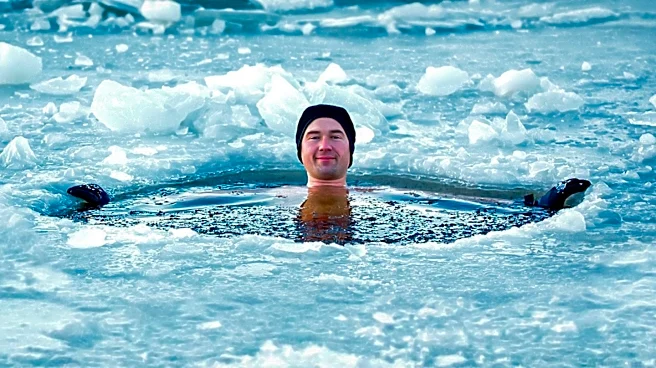
Cold water immersion, commonly known as cold plunge therapy, is increasingly being adopted by health and wellness sectors in the U.S., moving beyond its traditional use in elite athletics. This therapy involves sitting in water between 10°C and 15°C (50°F
to 59°F) for 2 to 10 minutes. Upon contact with cold water, the body undergoes vasoconstriction, where blood vessels tighten, pushing blood towards the core. Subsequent rewarming causes vasodilation, sending blood back to the limbs, a process often referred to as a 'flush.' Practitioners suggest this process may reduce stress and inflammation, and improve muscle range of motion. Cold exposure also temporarily slows nerve signals, potentially reducing perceived muscle soreness and increasing alertness due to the release of norepinephrine. While research into repeated cold plunges is ongoing, studies indicate a reduction in perceived muscle soreness after high-intensity workouts and faster recovery times for athletes. Commercial cold plunges are designed with industrial-grade chillers for consistent water temperature and robust filtration systems for hygiene, making them suitable for frequent client use in professional settings.
Why It's Important?
The growing integration of cold plunge therapy into U.S. manual therapy practices and wellness centers signifies a shift in recovery and wellness approaches. For businesses, adding cold plunges represents a new revenue stream and a way to differentiate services in a competitive market. This trend offers clients a valuable service that aligns with existing traditional therapies, potentially enhancing client retention and referrals. The emphasis on consistent water temperature and advanced filtration in commercial units addresses critical safety and hygiene concerns, protecting both clients and businesses from potential health risks and negative reviews. However, it's crucial for practitioners to understand the nuances of cold water immersion, as immediate cold exposure after strength training might inhibit muscle growth by interfering with the body's natural inflammatory response. Therefore, a personalized approach, considering individual goals and training cycles, is essential to maximize benefits and avoid adverse effects, highlighting the importance of professional guidance in implementing this therapy.
What's Next?
As cold plunge therapy continues to gain popularity, the focus will likely shift towards further research to solidify its long-term effects and optimal application protocols. Manual therapy practitioners and wellness centers are expected to increasingly incorporate these services, potentially leading to specialized certifications or training programs for safe and effective implementation. The industry may also see innovations in commercial cold plunge technology, focusing on enhanced user experience, energy efficiency, and advanced purification systems. Furthermore, there will be a continued emphasis on client safety, with clear guidelines for pre-existing conditions and supervised sessions becoming standard practice. The integration of cold plunges with other wellness modalities, such as contrast therapy (alternating with saunas), is also anticipated to expand, offering comprehensive recovery and well-being solutions. The ongoing dialogue between scientific research and practical application will shape the future of cold plunge therapy in the U.S. wellness landscape.
Beyond the Headlines
The rise of cold plunge therapy reflects a broader cultural shift towards proactive wellness and biohacking, where individuals seek methods to optimize physical and mental performance. This trend extends beyond physical recovery, touching upon mental resilience and stress management, as many users report feeling mentally reset and refreshed. The practice encourages a deeper connection between mind and body, as individuals learn to manage the discomfort of cold exposure through controlled breathing and mental fortitude. Ethically, the widespread adoption necessitates careful consideration of accessibility and equitable access, ensuring that these potentially beneficial therapies are not exclusive to high-end facilities. Legally, clear regulations and standards for commercial cold plunge operations, particularly concerning water quality and client safety, will become increasingly important. This movement also highlights the evolving definition of 'recovery,' moving from passive rest to active, temperature-based interventions, signaling a more holistic and integrated approach to health in modern society.