





What's Happening?
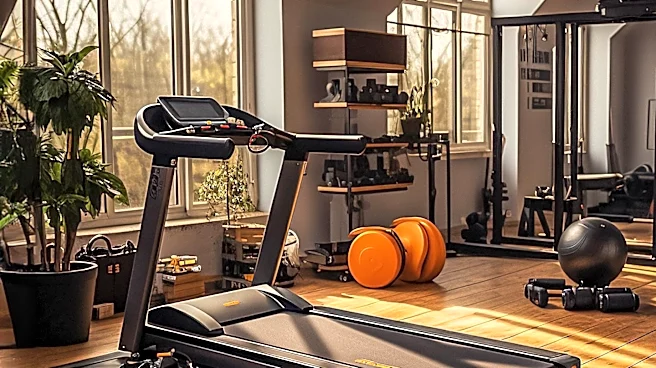
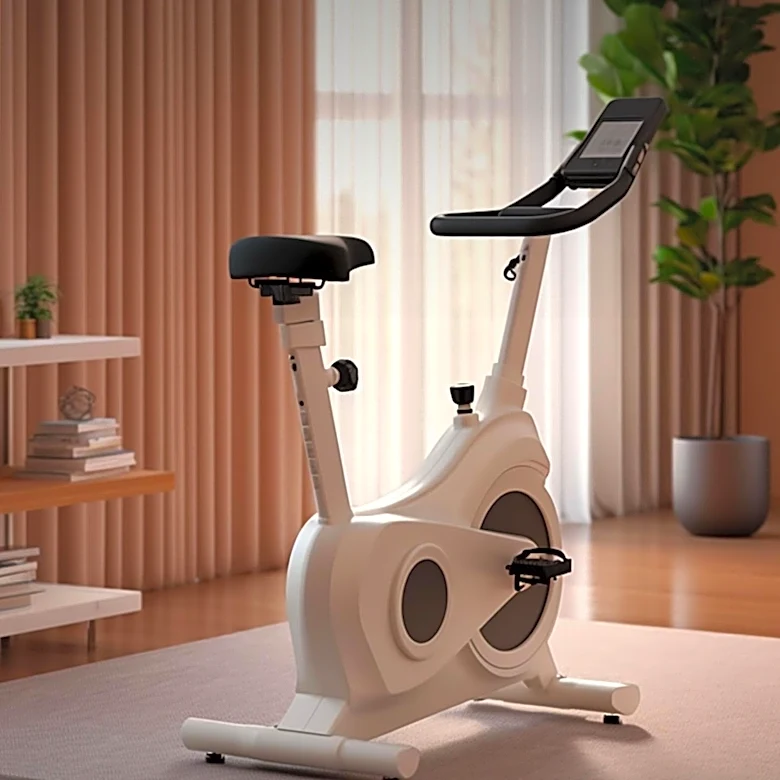
The market for home fitness equipment is increasingly focusing on compact and multi-functional solutions designed for small living spaces. This trend addresses the challenges faced by individuals in apartments or smaller homes who wish to maintain a fitness routine
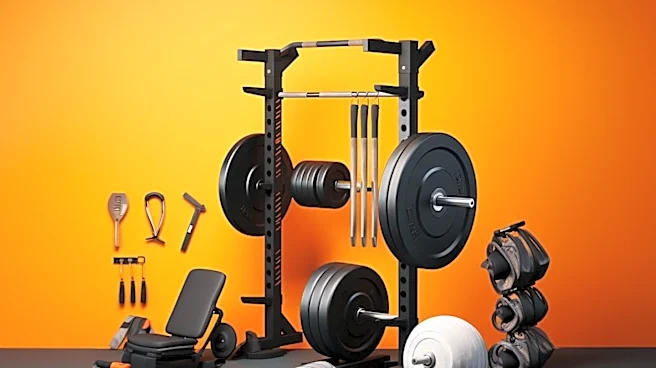
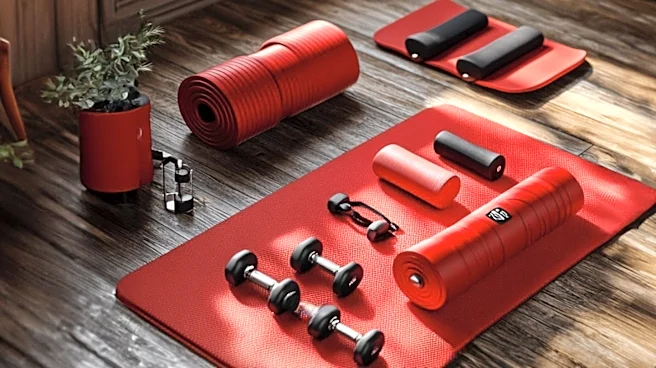
without overcrowding their living areas. Key features highlighted in these products include foldable designs, versatile exercise options, and efficient storage. For instance, adjustable weight benches offer multiple backrest angles and can fold compactly, while multi-in-one dumbbell sets replace several bulky tools. Products like the HulkFit Home Gym Weight Stack Machine integrate various workout stations into a single unit, and the Mikolo Home Gym Workout Station supports over 90 exercises in a streamlined design. Even cardio equipment, such as mini stair steppers, is being designed for minimal footprints, often including resistance bands for full-body workouts. This shift caters to a growing demand for convenient and effective home workout options that adapt to spatial constraints.
Why It's Important?
This emphasis on space-saving home fitness equipment is important for several reasons. It democratizes access to fitness, allowing more individuals to engage in regular physical activity regardless of their living situation. For busy individuals, particularly those with limited time or who prefer the privacy of home workouts, these compact solutions remove significant barriers to exercise. The versatility of these machines, often combining cardio and strength training, means users can achieve comprehensive fitness goals without needing multiple pieces of equipment or a dedicated gym membership. This trend also impacts the fitness industry by driving innovation in product design, pushing manufacturers to create more efficient, durable, and user-friendly equipment. Furthermore, it supports a broader societal shift towards health and wellness, enabling consistent routines that contribute to improved public health outcomes and reduced healthcare burdens.
What's Next?
The home fitness market is likely to see continued innovation in compact and multi-functional equipment. Future developments may include enhanced integration with smart devices and fitness tracking apps, offering more personalized and data-driven workout experiences. Manufacturers will probably focus on improving the ergonomics and comfort of these space-saving designs, making them even more appealing to a wider audience. There could also be an increase in modular systems that allow users to expand their home gym setup gradually, adapting to evolving fitness levels and goals without requiring a complete overhaul. As remote work and flexible lifestyles become more prevalent, the demand for efficient home workout solutions is expected to grow, leading to more sophisticated and aesthetically pleasing designs that blend seamlessly into home environments.
Beyond the Headlines
Beyond the immediate benefits of convenience and space-saving, the rise of compact home fitness equipment reflects deeper cultural and economic shifts. It signifies a growing preference for personalized and accessible wellness solutions, moving away from traditional, often intimidating, gym environments. This trend also highlights the increasing value placed on efficient use of living space, particularly in urban areas where square footage is at a premium. Ethically, it raises questions about equitable access to fitness technology, as advanced features might remain out of reach for some. Culturally, it reinforces the idea of the home as a multi-functional hub for work, leisure, and health. The long-term implication could be a more integrated approach to health, where physical activity is seamlessly woven into daily life, fostering greater consistency and adherence to fitness routines.