








What's Happening?
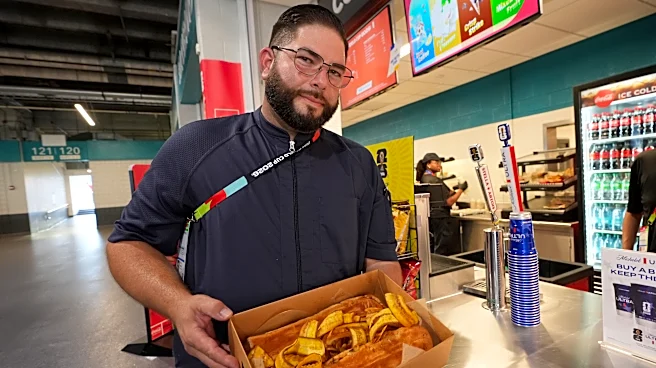
The World Cup in North America has introduced international fans to high concession prices, with items like $75 caviar-topped tater tots and $40 empanadas. Beer prices have also drawn criticism, with some costing over $20, significantly higher than in many
fans' home countries. Despite the high costs, fans continue to purchase these items, viewing the World Cup as a once-in-a-lifetime experience. Concession offerings vary by location, with unique local dishes available at different venues. While some fans express dissatisfaction, others accept the prices as part of the World Cup experience.
Why It's Important?
The high concession prices at the World Cup highlight the economic impact of major sporting events on fans and local economies. For international visitors, the prices represent a cultural and financial adjustment, reflecting broader trends in event pricing and consumer expectations. The situation underscores the balance event organizers must strike between profitability and fan satisfaction. The pricing strategy could influence future attendance and spending behavior at large-scale events, impacting the sports and hospitality industries.
What's Next?
As the World Cup continues, organizers may face pressure to address fan concerns about pricing, potentially leading to adjustments in future events. The feedback from international fans could influence how concessions are priced and marketed at other major sporting events. Additionally, the experience may prompt discussions on the accessibility and affordability of attending global events, with potential implications for tourism and international relations.