
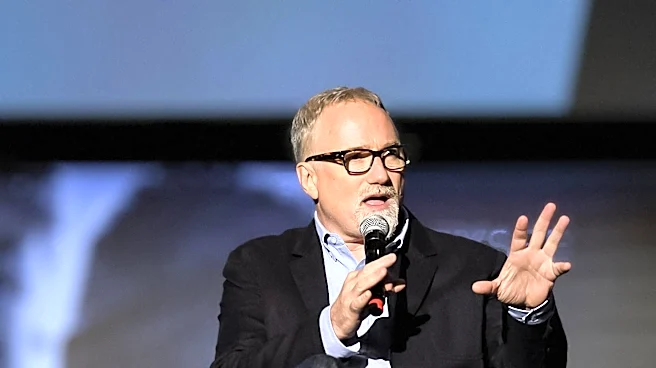
What's Happening?
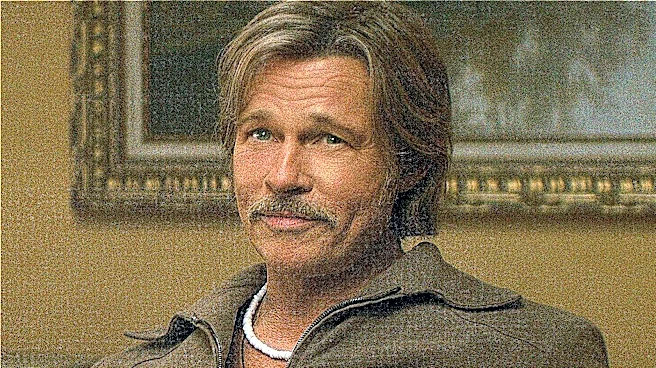
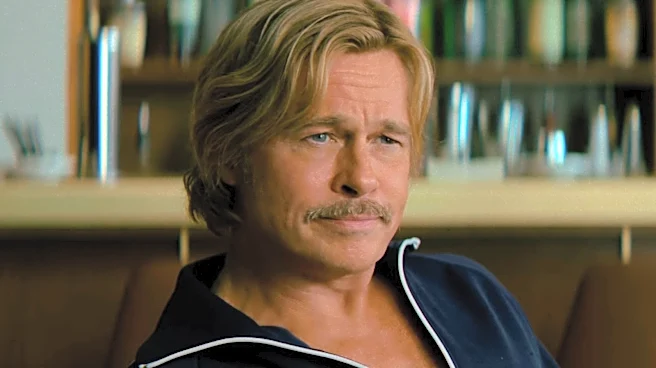
Director David Fincher's latest movie, "The Further Mis-Adventures of Cliff Booth," is drawing significant criticism from film critics and fans for its alleged widespread use of artificial intelligence imagery. Early screenings of the film have led to complaints
on social media platforms, with viewers citing instances of "blatant and egregious AI use." Filmmaker and critic Patrick Tomasso described the film as "gutted" by AI, pointing to issues such as faces changing mid-scene, unrealistic physics, garbled fine lines, and full-body performance swaps. Other reported AI elements include signs, fire, and traffic. Some critics claim that AI handiwork is even visible in the movie's trailer. This development marks a notable shift for Fincher, known for his meticulous attention to detail and subtle use of visual effects in previous works like "Fight Club" and "The Social Network." Reports from March indicated Fincher's use of AI-powered post-production tools and generative AI for shot composition cleanup in the 4K restoration of "Se7en."
Why It's Important?
The controversy surrounding David Fincher's new film highlights a growing debate within the U.S. film industry regarding the integration and ethical implications of artificial intelligence in filmmaking. Fincher, a director previously lauded for his perfectionism and invisible VFX, now faces backlash for what critics perceive as "lazy AI imagery." This situation could influence how studios and filmmakers approach AI tools, potentially leading to increased scrutiny over their use and impact on visual quality and artistic integrity. The negative reception could also fuel broader discussions about the role of AI in creative fields, particularly concerning job displacement for VFX artists and the potential for a homogenized aesthetic in cinema. For audiences, it raises questions about authenticity and the viewing experience, as visible AI flaws can detract from immersion. The debate also touches on the balance between technological advancement and traditional filmmaking craftsmanship, with Fincher himself defending AI's place in evolving the art form.
What's Next?
The ongoing criticism of David Fincher's film could prompt further discussions and potential policy considerations within Hollywood regarding the transparent use of AI in film production. As the film gains wider release, more detailed analyses of its AI elements are likely to emerge, potentially intensifying the debate. This situation might encourage industry guilds and unions to establish clearer guidelines or regulations for AI integration, especially concerning visual effects and character generation. Filmmakers and studios may become more cautious about overtly using AI, or they might invest more in refining AI tools to avoid detectable flaws. The controversy could also influence audience perception and demand for films that prioritize human artistry over AI-generated content. Fincher's public defense of AI's role in filmmaking suggests a continued push for technological adoption, but the backlash indicates a strong counter-current from critics and audiences who value traditional cinematic quality.
Beyond the Headlines
The controversy surrounding David Fincher's film extends beyond immediate critical reception, touching upon deeper ethical and artistic questions within the U.S. entertainment industry. It underscores a tension between technological innovation and the preservation of artistic craft. Fincher's willingness to embrace AI, despite his reputation for meticulousness, suggests a broader industry trend towards leveraging new tools for efficiency or creative exploration. However, the negative audience reaction indicates a potential disconnect between technological capability and audience acceptance, especially when AI's presence becomes overtly noticeable and detracts from the film's quality. This could lead to a re-evaluation of what constitutes 'perfection' in filmmaking in the age of AI. Furthermore, the debate highlights concerns about the future of human creativity and labor in the arts, as AI tools become more sophisticated. It also raises philosophical questions about authorship and the definition of art when significant portions of a visual work are generated by algorithms rather than human hands.