




What's Happening?
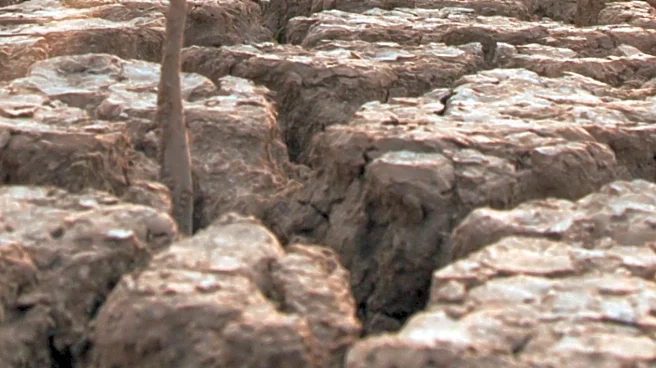
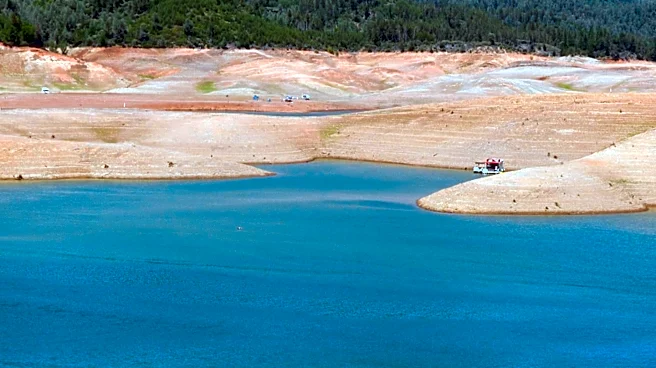
Vancouver Island is experiencing one of its driest Octobers on record, significantly impacting the whitewater kayaking season. River gauges across the island show water levels are currently below a fifth of their regular October levels, marking the lowest
since 2022, which previously held the record for the driest October. This lack of rain has left whitewater kayakers unable to access their usual river routes, forcing many to resort to pool sessions hosted by the South Island Whitewater Club. Dave Prothero, an expedition rafting guide with decades of experience, notes that he has never witnessed such a prolonged dry October. The typical fall rains, which usually create ideal whitewater conditions, have been absent, leading to a season described as one of the worst in memory for the sport. The situation is further complicated by predictions of a mild winter due to an incoming 'super El Niño,' which could result in a higher snowline and potentially jeopardize the spring kayaking season, which relies on snowmelt.
Why It's Important?
The severe drought conditions on Vancouver Island have significant implications for the local whitewater kayaking community and potentially for broader recreational and environmental sectors. The inability to engage in outdoor activities like kayaking affects not only the sport's enthusiasts but also local businesses that cater to them, such as outfitters and tourism operators. The social aspect of the sport, which fosters community and supports mental well-being, is also disrupted. Furthermore, the recurring dry Octobers and the predicted 'super El Niño' highlight a concerning pattern of changing weather, which some scientists link to a warming climate. This shift from continuous, gentle winter rains to more intense, sporadic atmospheric river events could lead to less predictable and less sustained water levels, posing long-term challenges for water-dependent recreational activities and potentially impacting ecological systems that rely on consistent water flow.
What's Next?
While recent rains have started to pick up on Vancouver Island, and Environment Canada predicts a relatively normal amount of precipitation for the upcoming winter, the long-term outlook for whitewater kayaking remains uncertain. Kayakers are cautiously optimistic, but the experience of recent dry seasons and the forecast for a mild winter due to 'super El Niño' suggest that the spring season, dependent on snowmelt, could also be affected. The shift in precipitation patterns, characterized by less steady rain and more intense, short-duration events, means that rivers may experience brief periods of high water followed by rapid drops, making consistent kayaking conditions less likely. The community will continue to monitor river levels and adapt to these changing environmental conditions, with ongoing reliance on alternative activities like pool sessions until more favorable river conditions return.
Beyond the Headlines
The challenges faced by Vancouver Island's whitewater kayaking community extend beyond immediate recreational impacts, touching upon broader themes of climate change and community resilience. The observed shift in weather patterns, from consistent rainfall to more extreme events, underscores the localized effects of global climate change. This situation prompts a reevaluation of how communities and recreational industries adapt to unpredictable environmental conditions. The reliance on pool sessions and the strong community bonds within the South Island Whitewater Club demonstrate a proactive approach to maintaining engagement and mental well-being amidst environmental adversity. This scenario could serve as a case study for other regions and sports facing similar climate-induced disruptions, highlighting the importance of community support, adaptive strategies, and a deeper understanding of long-term environmental shifts.