







What's Happening?
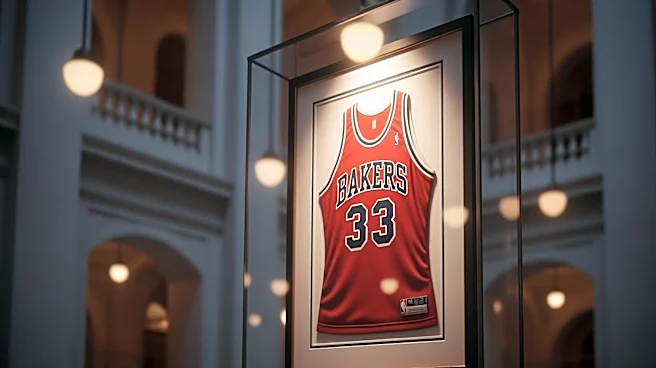
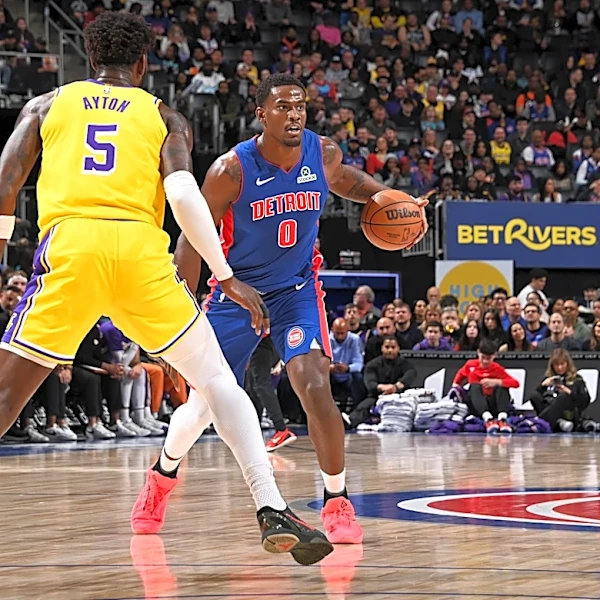
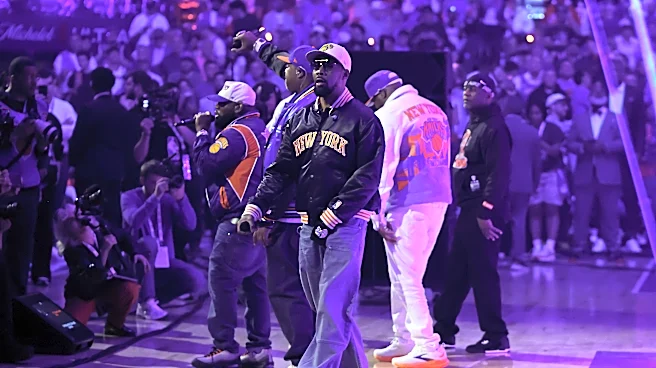
During a Knicks victory parade at City Hall, a banner mistakenly displayed the retired No. 33 jersey of legendary Knicks player Patrick Ewing for Dillon Jones, a little-known forward. This error sparked outrage among fans and critics, who view Ewing's
number as sacred. The banner was part of a series celebrating the Knicks' roster, but the mistake was seen as a significant oversight by the Mamdani administration. Fans expressed their dismay, emphasizing the importance of Ewing's legacy to the Knicks and New York City. The incident has been widely criticized as disrespectful to Ewing, who played a crucial role in the Knicks' history.
Why It's Important?
The incident highlights the deep connection between sports legends and their teams, as well as the cultural significance of retired jersey numbers. Patrick Ewing is a revered figure in Knicks history, and his number being mistakenly attributed to another player underscores the importance of attention to detail in honoring sports icons. This controversy also reflects the passionate nature of sports fandom, where symbols like jersey numbers carry significant emotional weight. The backlash from fans and the media serves as a reminder of the respect and recognition owed to athletes who have made substantial contributions to their teams and communities.
Beyond the Headlines
This incident may prompt organizations to review their processes for public displays and ceremonies to prevent similar mistakes in the future. It also raises questions about the role of sports in cultural identity and the responsibilities of public officials in preserving the legacies of sports figures. The error could lead to discussions about how teams and cities honor their sports heroes and the importance of maintaining historical accuracy in such tributes.