








What's Happening?
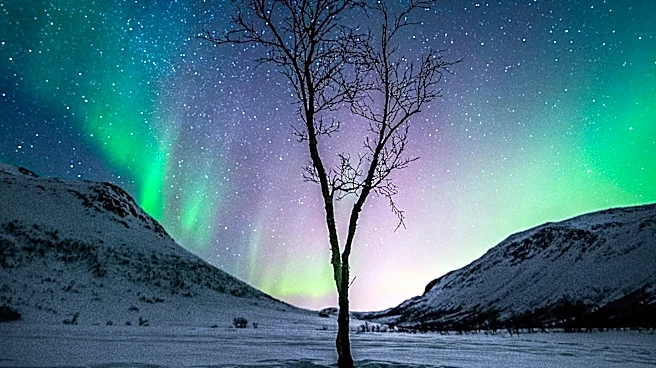
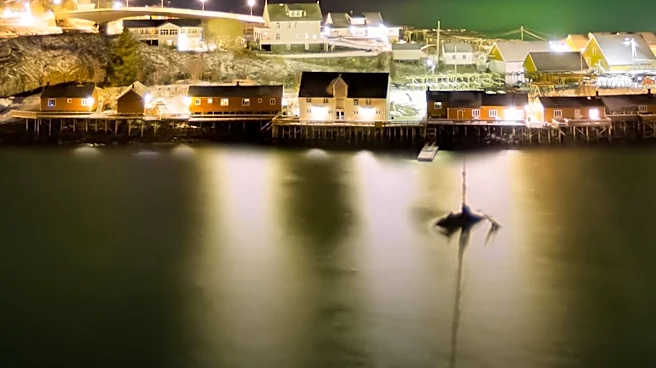
Tromsø, Norway, has solidified its reputation as a leading destination for viewing the Northern Lights. Situated directly beneath the auroral oval, the city offers a prime location for observing this natural phenomenon. The optimal viewing period in Tromsø spans
from late August to early April, when the skies are sufficiently dark and clear. While the Northern Lights can occasionally be seen from within Tromsø city when conditions are favorable, darker environments generally enhance visibility. To maximize viewing opportunities, guided Northern Lights chases are available, transporting visitors by comfortable coach to areas outside the city where clear skies and optimal conditions are more likely. These tours typically include transportation, English-speaking guides, hot beverages and biscuits, and sometimes professional portrait photos if the Aurora appears. The duration of these tours can vary based on driving distance, weather, and the activity level of the Northern Lights. It is important to note that the Northern Lights are a natural occurrence, and sightings cannot be guaranteed.
Why It's Important?
The prominence of Tromsø as a Northern Lights destination highlights the growing interest in astrotourism and unique natural phenomena. For the U.S. tourism industry, this trend signifies a potential shift in traveler preferences towards experiential and nature-focused vacations. Travel agencies and tour operators in the U.S. can capitalize on this by offering specialized packages to destinations like Tromsø, catering to a niche market seeking extraordinary natural spectacles. The economic impact extends to airlines, accommodation providers, and local businesses in these regions, as American tourists contribute significantly to their economies. Furthermore, the emphasis on guided tours and specialized equipment for optimal viewing underscores a demand for curated and high-quality travel experiences, influencing how U.S. travel companies design and market their offerings. The unpredictable nature of the Northern Lights also emphasizes the importance of managing customer expectations and promoting the overall Arctic experience, rather than solely focusing on the guarantee of a sighting.
What's Next?
As Tromsø continues to attract international visitors, including those from the U.S., there will likely be further development in its tourism infrastructure. This could include an increase in specialized tour operators, enhanced accommodation options, and more diverse activities designed to complement Northern Lights viewing. The focus will remain on providing comprehensive Arctic experiences, ensuring that visitors have memorable trips even if the Aurora is not visible every night. U.S. travel companies may expand their partnerships with Norwegian tour providers to offer more seamless and attractive packages. Additionally, advancements in forecasting technology and mobile applications could play a larger role in informing tourists about optimal viewing times and locations, further enhancing the visitor experience. The sustained popularity of destinations like Tromsø may also inspire other regions with similar natural attractions to develop their own tourism offerings, potentially creating new travel opportunities for U.S. citizens.
Beyond the Headlines
The allure of the Northern Lights in Tromsø extends beyond mere tourism; it taps into a deeper human fascination with the cosmos and the natural world. This phenomenon offers a unique blend of scientific wonder and aesthetic beauty, prompting travelers to engage with environmental science and celestial mechanics. The ethical implications of increased tourism in sensitive Arctic environments, such as potential ecological impact and the preservation of local cultures, will become increasingly important considerations. Balancing economic benefits with environmental stewardship and cultural authenticity will be a critical challenge for both local authorities and international tourism stakeholders. Moreover, the pursuit of such ephemeral natural wonders encourages a broader appreciation for conservation efforts and sustainable travel practices, influencing the choices of environmentally conscious travelers. The experience of witnessing the Aurora Borealis can also have a profound cultural impact, connecting visitors to ancient myths and indigenous perspectives on the night sky, fostering a deeper understanding of global heritage.