






What's Happening?
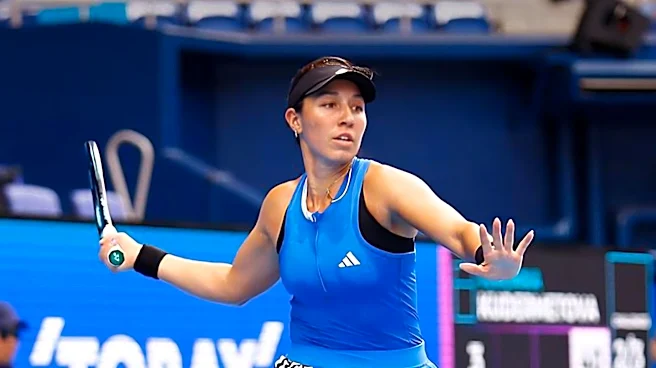
Jessica Pegula, a prominent tennis star, is advocating for a significant rule change in men's Grand Slam tennis matches. She proposes that most men's Grand Slam matches should be shortened to best-of-three sets, rather than the current best-of-five format,
to alleviate scheduling chaos and late finishes. This suggestion comes in response to recent events, such as matches at the US Open extending well past midnight, with one particular clash concluding at 3:33 AM local time. Pegula believes that reducing match length is a straightforward solution to prevent such occurrences, which can lead to deserted stadiums for what should be popular showdowns. While acknowledging that a best-of-three format might not solve every scheduling problem, she suggests that best-of-five could be reserved for later stages, perhaps from the quarterfinals onwards. However, Pegula firmly opposes other proposed scoring changes, such as implementing a 'golden point' at deuce or eliminating 'let' calls on serves, emphasizing the importance of preserving the integrity of the game.
Why It's Important?
This proposal by Jessica Pegula carries significant implications for the sport of tennis, particularly concerning player welfare, fan engagement, and the commercial aspects of Grand Slam tournaments. Extended match durations and late finishes can lead to player fatigue, increased risk of injury, and disruption to recovery schedules, potentially impacting the quality of subsequent matches. For fans, late finishes can deter attendance and viewership, especially for those with work or school commitments the following day, thereby diminishing the overall spectator experience and the commercial value of prime-time matches. The debate over best-of-three versus best-of-five sets also touches upon the historical traditions of Grand Slam tennis, where the longer format is often seen as a test of endurance and mental fortitude. A shift to best-of-three could make the sport more accessible and appealing to a broader audience, potentially increasing television ratings and sponsorship opportunities, but it could also face resistance from traditionalists who value the unique challenge of the longer format.
What's Next?
The discussion initiated by Jessica Pegula is likely to spark further debate within the tennis community, involving players, coaches, tournament organizers, and governing bodies like the ATP and ITF. While Pegula's stance is clear, any rule change of this magnitude would require extensive deliberation and consensus among these stakeholders. It is probable that various proposals and counter-proposals will emerge, with different factions advocating for their preferred solutions to the scheduling challenges. The impact of such a change on player rankings, tournament prestige, and the overall competitive landscape would need to be thoroughly analyzed. Future Grand Slam events, particularly those experiencing similar scheduling issues, will likely intensify the pressure for a resolution. The conversation may also extend to other aspects of tournament organization, such as court allocation, start times, and the implementation of technology to streamline match play, all aimed at optimizing the Grand Slam experience for both players and fans.
Beyond the Headlines
Beyond the immediate concerns of match length and scheduling, Pegula's advocacy highlights a broader tension within professional tennis: balancing tradition with modernization. The sport, like many others, grapples with adapting to contemporary demands for faster-paced, more digestible content while preserving its historical essence. The debate over match format is not merely about time; it reflects differing philosophies on what constitutes the ultimate test in tennis. Furthermore, the discussion implicitly raises questions about gender equity in sports, as women's Grand Slam matches are already best-of-three sets. While Pegula's proposal focuses on men's matches, the conversation could inadvertently reignite discussions about equal pay and equal playing conditions across genders. The commercial pressures on Grand Slams to maximize viewership and revenue also play a significant role, pushing for formats that are more appealing to a global audience and fit within broadcast windows. Ultimately, any decision will reflect a complex negotiation between athletic tradition, commercial viability, and the evolving expectations of players and fans.