






What's Happening?
Artist Reggie Burrows Hodges, born in Compton in 1965 and now based in the Bay Area, is currently showcasing three solo exhibitions across Los Angeles. These exhibitions mark his first institutional solo shows in his hometown, despite his work being held
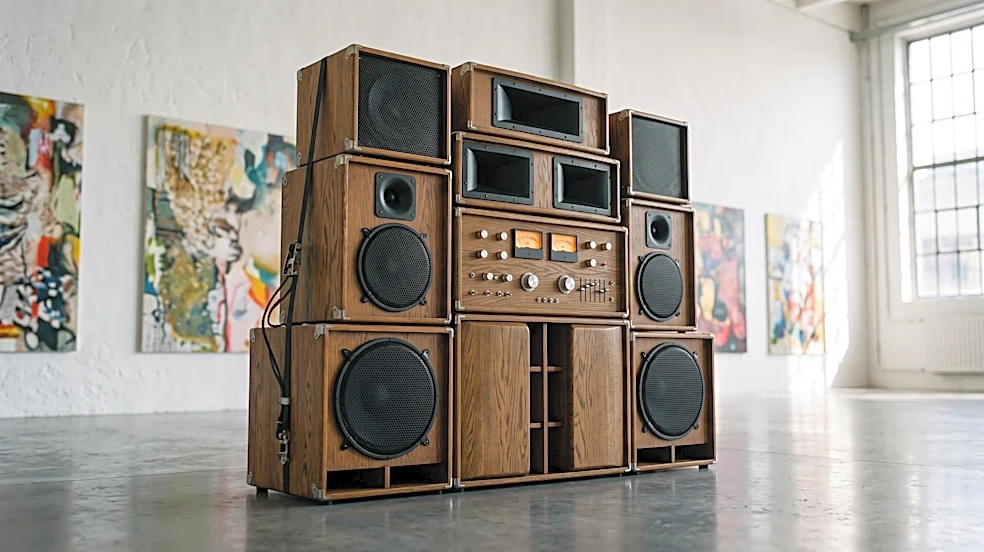
in collections internationally, including the Met, Whitney, and Los Angeles County Museum of Art. 'A Theater of Passions' at the Getty riffs on 17th-century Baroque painters Orazio Gentileschi and Artemisia. 'A Theater of Miracles' at the California African American Museum (CAAM) imbues intimate encounters with the drama of Old Masters. 'A Theater of Dreams' at Art + Practice in Leimert Park draws on childhood memories, L.A.'s Black artistic legacy, and Hodges' European travels, featuring a traditional dub sound system. Hodges, who previously co-owned a recording studio and toured with a reggae-dub band, integrates music into his artistic expression, creating a visceral experience for viewers.
Why It's Important?
Reggie Burrows Hodges' simultaneous exhibitions across prominent Los Angeles institutions signify a significant homecoming for the artist and a notable moment for the city's art scene. His work, which remixes historical art forms with contemporary themes and personal experiences, offers a fresh perspective on art history and cultural narratives. The integration of music, particularly reggae-dub, into his exhibitions creates a multi-sensory experience that challenges traditional gallery settings and invites viewers to engage with the art on a deeper, more emotional level. This series of shows also highlights the rich and diverse artistic legacy of Los Angeles, particularly its Black artistic community, and fosters dialogue between different art worlds within the city. The exhibitions provide an opportunity for a broad audience to experience Hodges' unique approach to painting, which prioritizes feeling over literal representation.
Beyond the Headlines
Reggie Burrows Hodges' approach to art, which emphasizes feeling and invites viewers to 'find a way into the work' without explicit guidance, challenges conventional interpretations of artistic meaning. His reluctance to grant interviews or be photographed, preferring to 'disappear' behind his art, speaks to a deeper philosophical stance on the artist's role and the autonomy of the artwork. By drawing inspiration from Baroque painters while simultaneously critiquing the violence inherent in their imagery, Hodges engages with complex ethical and cultural dimensions. He transforms historical narratives into contemporary reflections on human vulnerability and resilience, using techniques like chiaroscuro and the 'dance of what is absent' from dub music to convey profound emotions. This layered approach encourages a critical examination of how art can bridge past and present, and how personal and collective memories shape artistic expression, fostering a more inclusive and introspective engagement with art.