



What's Happening?
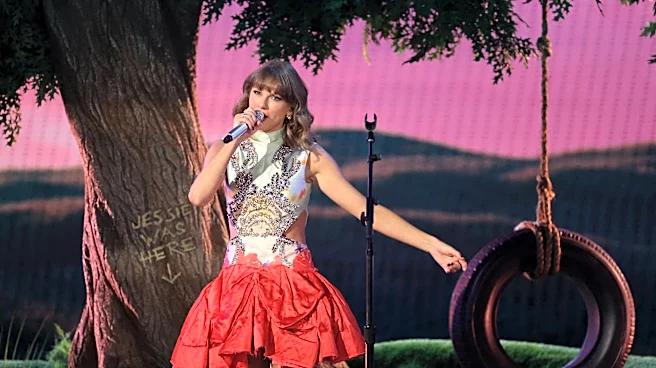
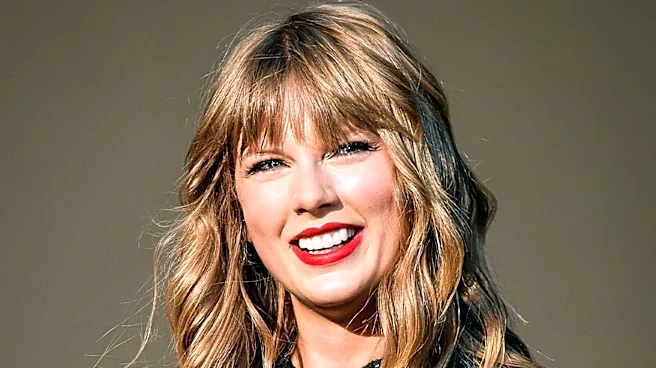
Former MTV VJ Kennedy, known for hosting 'Alternative Nation' in the 1990s, has publicly stated her belief that Taylor Swift is a 'mean girl.' During a November 25 episode of 'The Girls,' Kennedy discussed a recent Vanity Fair article, widely understood
to be about Swift, and offered her perspective on the pop star's personal life. Despite admitting that Swift has been her top-listened-to artist on Spotify for the past three years, Kennedy expressed strong disapproval of Swift's personal conduct. She also speculated about the reported absence of Blake Lively, a former close friend of Swift's, from Swift's wedding to Travis Kelce. Kennedy theorized that Swift's decision to invite 'a thousand people' to her wedding was a deliberate snub to Lively, intended to demonstrate that everyone else was invited except her. Her co-panelists, Lara Trump and Kat Timpf, largely defended Swift, questioning the scrutiny successful women face and the reliance on anonymous sources in such articles.
Why It's Important?
This commentary from a recognizable media personality like Kennedy adds to the ongoing public discourse surrounding Taylor Swift's image and personal relationships. Swift, a global music icon, frequently faces intense media and public scrutiny, and such statements from figures with a platform can influence public perception. The discussion highlights the challenges faced by high-profile celebrities in managing their public and private lives, especially when past friendships and alleged conflicts become subjects of public speculation. For the entertainment industry, it underscores the constant pressure on artists to maintain a pristine image, even as their personal lives are dissected. The differing opinions among the panelists also reflect broader societal debates about celebrity culture, the role of media in shaping narratives, and the standards to which successful women are held.
What's Next?
While Kennedy's comments are unlikely to directly impact Taylor Swift's career or public standing significantly, they contribute to the ongoing narrative surrounding the artist. Swift's team may choose to ignore the comments, or the artist herself might subtly address them through her music or public appearances, as she has done with past controversies. The discussion could also prompt further media coverage and fan debate regarding Swift's friendships and public persona. For Kennedy, these remarks could generate increased attention for her show and her opinions, potentially positioning her as a more outspoken commentator on celebrity culture. The broader conversation about celebrity friendships and alleged feuds is likely to continue, fueled by social media and entertainment news outlets.
Beyond the Headlines
The incident touches upon deeper implications concerning the nature of celebrity and public judgment. It raises questions about the ethics of speculating on private relationships, particularly when based on unverified claims or interpretations of events like wedding guest lists. The 'mean girl' label, often applied to successful women, highlights a persistent societal tendency to scrutinize and criticize female figures in power or with significant influence. This phenomenon can contribute to a culture where women are pitted against each other, rather than celebrated for their achievements. Furthermore, the discussion underscores the blurred lines between public and private life for celebrities, where personal events are often transformed into public spectacles, subject to widespread commentary and conjecture, regardless of factual basis.