


What's Happening?
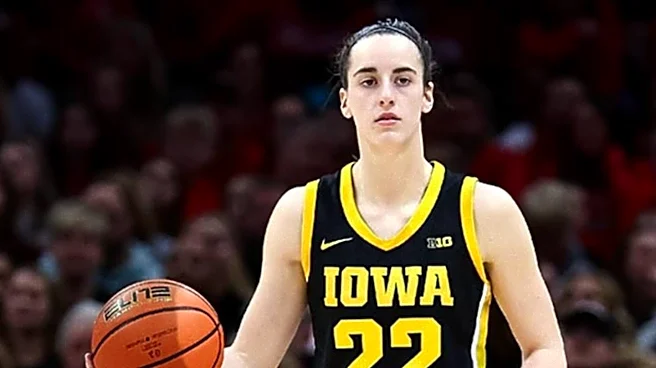
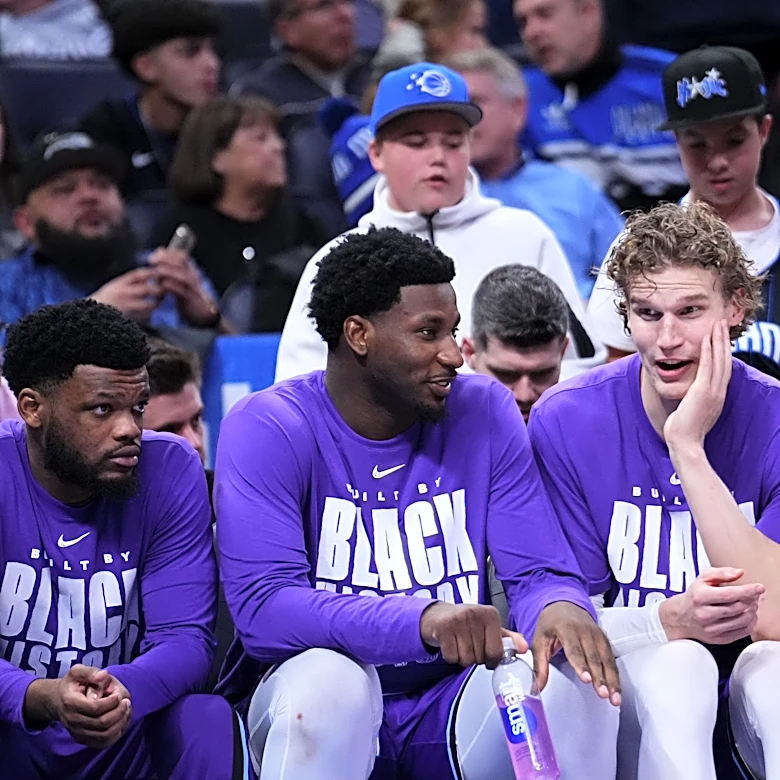
Indiana Pacers guard Tyrese Haliburton admitted that he did not support Caitlin Clark during her collegiate career at the University of Iowa due to the intense rivalry between the Iowa Hawkeyes and his alma mater, the Iowa State Cyclones. Haliburton,
appearing on 'The Kittle Things' podcast, stated that despite recognizing Clark as the best player in the country, he refused to acknowledge her success while she wore an Iowa jersey. He explicitly told Clark that he would not cheer for her, even during her national championship appearances. This sentiment stems from the deep-seated college sports culture in Iowa, a state without major professional sports teams, where collegiate rivalries hold significant importance. Haliburton's stance changed only after Clark joined the Indiana Fever, allowing him to support her as a fellow Indiana basketball figure.
Why It's Important?
This revelation highlights the profound impact of college sports rivalries, particularly in states like Iowa where they often supersede professional sports in local importance. The story underscores how these rivalries can influence personal allegiances, even among professional athletes who later become colleagues or peers. For fans, it illustrates the deep emotional investment in college teams and the enduring nature of these competitive feelings. The transition of both Haliburton and Clark to professional teams in Indiana now creates a new dynamic, uniting them under a common state banner, which could foster a stronger sense of collective identity for Indiana basketball. This shift from rivalry to shared professional goals could also influence fan bases, potentially bridging old collegiate divides in support of their state's professional franchises.
What's Next?
With both Tyrese Haliburton and Caitlin Clark now representing Indiana professional basketball teams, the focus will likely shift towards their combined efforts to bring success to the state. Their shared professional journey could lead to increased collaboration and mutual support, potentially fostering a stronger basketball community in Indiana. This newfound camaraderie might also be reflected in fan engagement, as supporters of both the Pacers and the Fever rally behind their respective stars. The anecdote about their college rivalry, now openly discussed, could become a talking point that further humanizes these athletes, allowing fans to connect with their personal journeys and the evolution of their professional relationships. Future interactions between Haliburton and Clark, both on and off the court, will be observed as they navigate their roles as key figures in Indiana sports.
Beyond the Headlines
The narrative extends beyond a simple sports rivalry, touching upon the cultural significance of college athletics in regions where professional sports are less prevalent. It illustrates how these rivalries can shape individual identities and loyalties, even for those who achieve professional success. The story also subtly highlights the transition from amateur to professional sports, where past allegiances often give way to new professional solidarities. This dynamic can be seen as a microcosm of broader societal shifts, where individuals move from local, identity-forming communities to larger, more diverse professional environments. The ability of athletes like Haliburton to articulate and move past these deep-seated rivalries for a common professional goal offers a glimpse into the maturity and adaptability required in professional sports, and how personal histories can inform, but not dictate, future collaborations.