


What's Happening?
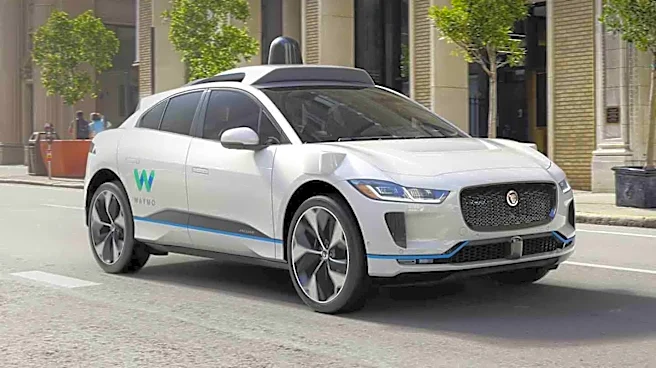
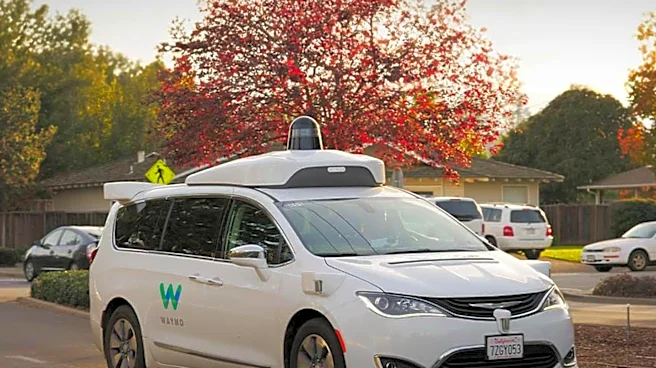
Waymo, the autonomous driving technology company, plans to terminate its exclusive booking arrangement with Uber in Austin and Atlanta starting January 2028. This strategic shift will enable Waymo to offer direct bookings for its robotaxis through its own
application in these two major U.S. cities. The decision, reported by The Verge on November 20, 2026, aims to address potential inconsistencies in mixed fleets, where customers ordering a robotaxi might receive a human-driven vehicle instead, or vice versa. Tekedra Mawakana, Co-CEO of Waymo, has highlighted this issue as problematic, emphasizing the importance of a reliable selection process, especially for new users of autonomous vehicles. This move signifies Waymo's intent to gain more direct control over its customer experience and service delivery in key markets. Concurrently, Serve Robotics also announced its intention not to renew its partnership with Uber Eats when it expires in 2027, citing differing operational visions.
Why It's Important?
This development is significant for the autonomous vehicle industry and the ride-sharing market in the U.S. For Waymo, establishing direct booking channels allows for greater brand control and a more consistent customer experience, which is crucial for building trust in nascent autonomous vehicle technology. By eliminating the potential for mixed fleet confusion, Waymo aims to ensure that customers explicitly seeking a robotaxi receive one, thereby shaping perceptions of its service. This could lead to increased customer loyalty and a clearer understanding of Waymo's offerings. For Uber, while the exclusive arrangement ends, there is an expressed hope to continue offering Waymo rides on a non-exclusive basis, indicating a potential shift in how ride-sharing platforms integrate autonomous fleets. The move also signals a broader trend of autonomous technology providers seeking more direct engagement with end-users, potentially reducing reliance on third-party platforms and reshaping competitive dynamics in urban mobility.
What's Next?
Beginning January 2028, Waymo will enable direct bookings via its own app in Austin and Atlanta, marking a new phase in its operational strategy. While the exclusive partnership with Uber will cease, Uber has indicated its interest in continuing to offer Waymo rides through its platform on a non-exclusive basis, suggesting potential for a more diversified partnership model. The success of Waymo's direct booking strategy will likely influence its expansion plans in other U.S. cities and could prompt other autonomous vehicle companies to consider similar approaches. The market will observe how consumers in Austin and Atlanta adapt to booking robotaxis directly through the Waymo app versus traditional ride-sharing platforms. Furthermore, the differing reasons cited by Serve Robotics and Uber for their non-renewal highlight ongoing challenges and evolving expectations in partnerships between autonomous delivery companies and large food delivery platforms.
Beyond the Headlines
This strategic shift by Waymo underscores a deeper industry trend towards vertical integration and direct consumer engagement within the autonomous vehicle sector. By taking control of the booking process, Waymo is not just optimizing customer experience but also gathering invaluable direct user data, which can inform future service enhancements and expansion strategies. This move could also set a precedent for how autonomous vehicle companies manage their brand identity and service integrity, moving away from being a backend provider to a front-facing service. The emphasis on consistent service delivery for first-time autonomous vehicle users highlights the critical role of initial impressions in shaping public acceptance and adoption of this technology. Ethically, direct control over bookings allows Waymo to better manage safety protocols and customer support, potentially leading to a more accountable service model. This evolution could redefine the competitive landscape, pushing ride-sharing giants to adapt their strategies for integrating autonomous fleets.