






What's Happening?
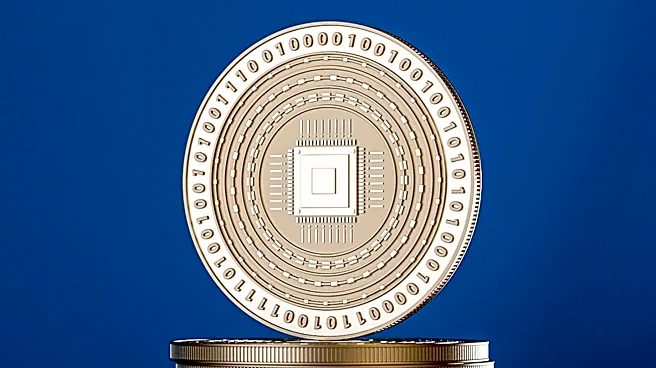
Traditional banks in the U.S. are facing significant challenges from the rise of decentralized finance (DeFi) and stablecoins. These digital financial innovations offer consumers and businesses higher returns, frictionless fund transfers, and 24/7 settlement
capabilities, directly competing with conventional banking services. Regulatory developments and new charters are enabling fintech and crypto firms to more aggressively pursue accountholder funds through tokenized and programmable financial products. This shift is further supported by on-chain lending platforms, digital wallets, brokerage applications, and embedded-finance experiences, which simplify access to digital assets and stablecoins for users. As funds migrate from traditional deposits to these alternative platforms, financial institutions are experiencing a reduction in their lending capacity, which in turn weakens traditional banking relationships and alters the landscape of asset custody and management. The growth of stablecoins, in particular, as 24/7 dollar-backed networks, is drawing low-cost deposits away from banks and facilitating immediate, borderless settlements.
Why It's Important?
This trend is profoundly important for the U.S. financial industry as it signals a structural shift in how money is held, moved, and managed. The disintermediation of traditional deposits directly impacts banks' ability to lend, potentially reducing their role in local credit creation and economic support. The competitive pressure from DeFi and stablecoins forces traditional banks to innovate and adapt their services to retain customers and deposits. The evolving regulatory landscape, with frameworks like the OCC's proposed GENIUS Act and FDIC considerations, aims to standardize the environment for payment stablecoins, emphasizing fully backed reserves and consumer protections. However, the FDIC has clarified that stablecoins themselves are not insured deposits, which presents a different risk profile for consumers compared to traditional bank accounts. This shift could lead to a more diverse financial ecosystem but also poses challenges for regulatory oversight and consumer protection within the existing banking framework.
What's Next?
The financial industry can expect continued evolution in regulatory frameworks for stablecoins and digital assets. Regulators, including FinCEN, OCC, Federal Reserve, FDIC, and NCUA, are working to integrate payment stablecoin issuers into the federal Bank Secrecy Act perimeter, indicating a move towards more formalized oversight. Financial institutions will need to assess their exposure to these new technologies, identify strategic opportunities, and prepare for future participation in the digital asset ecosystem. This may involve developing their own tokenized money strategies, focusing on infrastructure readiness, and monitoring regulatory developments. The ongoing competition for deposits and payment services will likely drive further innovation in both traditional banking and fintech sectors, potentially leading to new hybrid models that combine the benefits of both. Banks may explore offering tokenized deposits, which remain on their balance sheets and are subject to existing regulations, as a way to provide similar benefits to stablecoins while preserving deposit relationships.
Beyond the Headlines
The rise of DeFi and stablecoins extends beyond mere technological advancement; it represents a fundamental re-evaluation of trust and intermediation in finance. By enabling direct transactions and investments through blockchain-based platforms, these innovations challenge the long-standing role of banks as central gatekeepers of financial activity. This shift has ethical implications regarding financial inclusion, as these platforms can offer alternative financing options to underserved populations, but also raises questions about consumer protection in a less regulated environment. Culturally, it signifies a growing preference for decentralized, always-on financial services, potentially reshaping consumer expectations for speed, transparency, and control over their assets. The long-term shift could lead to a financial system where traditional banks coexist with, or even integrate, blockchain-based solutions, fundamentally altering the economic landscape and the nature of financial relationships.