






What's Happening?
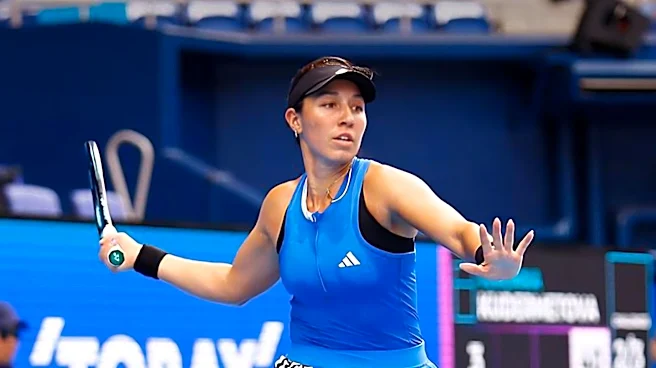
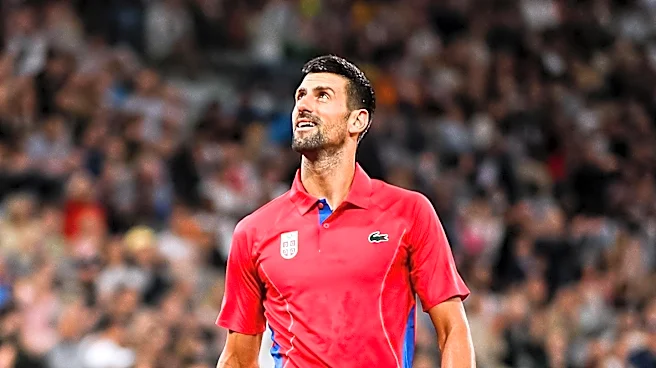
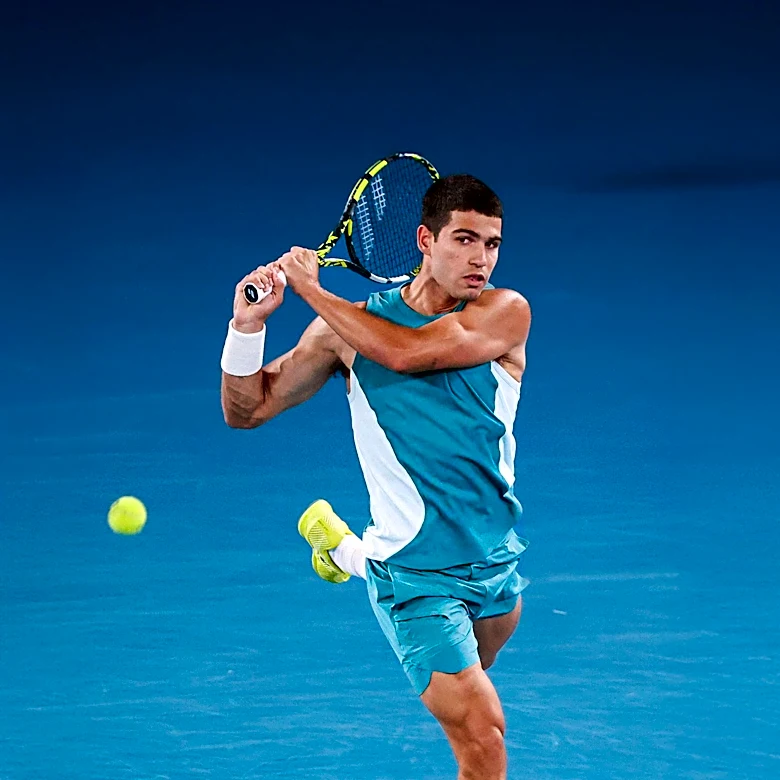
The professional tennis circuit is experiencing a significant wave of injuries and player burnout, with several top athletes struggling to maintain their health and performance. Jack Draper's 'nightmare of a year' due to injuries has been largely underreported,
highlighting a broader issue within the sport. Other prominent players, including Joao Fonseca, Novak Djokovic, Carlos Alcaraz, and Jannik Sinner, have also faced physical and mental exhaustion, leading to withdrawals or subpar performances. This trend suggests that the demanding schedule and intensity of professional tennis are taking a heavy toll on players, forcing them to compete while not fully fit or to prematurely end their seasons. The situation raises questions about the sustainability of the current tour structure and its impact on player well-being.
Why It's Important?
This escalating injury crisis is critical for the sport of tennis as it directly impacts the quality of competition and the longevity of its stars. When top players are sidelined or forced to play injured, the overall spectacle and excitement for fans diminish. This can lead to decreased viewership and engagement, potentially affecting sponsorships and the sport's financial health. For the players themselves, repeated injuries can shorten careers, lead to chronic health issues, and cause significant mental distress. The current situation also highlights a potential systemic problem within professional tennis, where the pressure to compete and maintain rankings might be prioritized over player health. This could deter promising young athletes from pursuing a career in tennis if they perceive it as too physically and mentally demanding.
What's Next?
The ongoing player injury crisis will likely prompt increased scrutiny from players, coaches, and medical professionals regarding the current tennis calendar and tournament formats. There may be calls for adjustments to the schedule, including longer off-seasons, fewer mandatory tournaments, or changes in match formats to reduce physical strain. Player associations and governing bodies like the ATP and WTA might need to collaborate on implementing new health and wellness protocols, including enhanced injury prevention programs and mental health support. Discussions about protected rankings and medical timeouts could also become more prominent. If the trend continues, it could lead to a significant re-evaluation of how professional tennis is structured to ensure the long-term health and careers of its athletes.
Beyond the Headlines
Beyond the immediate impact on player health and tournament quality, this crisis points to a broader cultural issue within elite sports: the relentless pursuit of success at all costs. The pressure to perform, secure endorsements, and maintain a high ranking can push athletes to ignore their bodies' warning signs, leading to a cycle of injury and burnout. This raises ethical questions about the responsibility of sports organizations to protect their athletes' well-being. It also highlights the mental health challenges faced by professional athletes, who often operate under immense public scrutiny and pressure. Addressing this issue requires a shift in mindset, prioritizing athlete welfare alongside competitive success, and fostering a culture where taking time off for recovery is seen as a strength, not a weakness. This could lead to a more sustainable and humane model for professional sports.