






What's Happening?
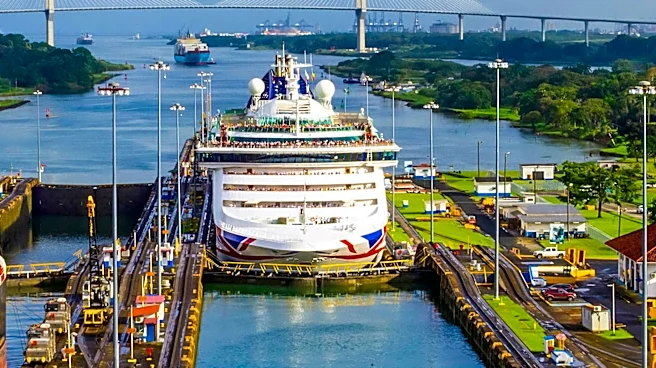
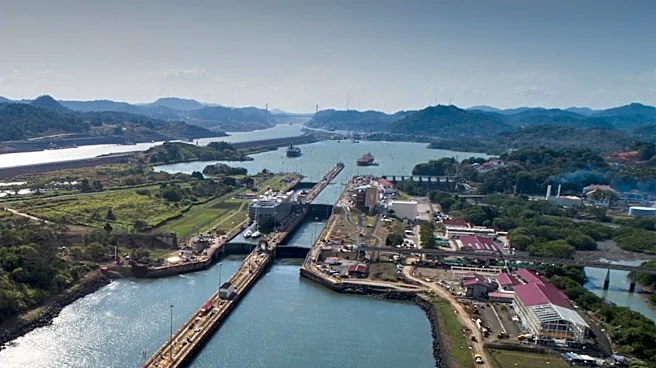
Panamanian President José Raúl Mulino met with Jane Fraser, CEO of Citi (Citibank) Group, in New York, United States. The discussions focused on Panama's economic recovery, the consolidation of its logistics platform, the investment plan for the Panama Canal,
the advancement of advanced technologies, and the growth of tourism. Fraser expressed Citi's interest in strengthening support for Panama by offering global financing capabilities, access to international markets, and connections with institutional investors. President Mulino highlighted Panama's robust economic growth of 5.5% in the first half of the year, anticipating exceeding the IMF's 3.8% projection for the year. He attributed this sustained and diversified growth to fiscal discipline, stability, and a government that engages with investors and the private sector. The meeting also covered major government-backed projects, including a new Petroterminal de Panamá project, electrical interconnection with Colombia and Ecuador, the multi-purpose pier at Puerto Armuelles, the Panama-David train, the third Metro line, and highway expansions, alongside initiatives in health, education, and agriculture.
Why It's Important?
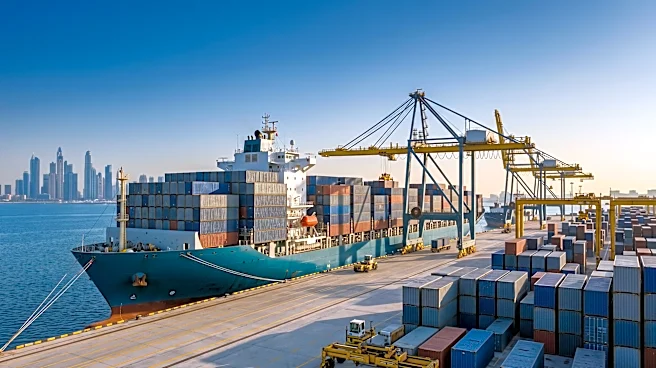
This high-level meeting between President Mulino and Citi CEO Jane Fraser underscores the significant role of international financial institutions in supporting national development and economic stability. For the U.S., Citi's continued engagement with Panama reflects the broader financial sector's interest in Latin American economic growth and stability, particularly in countries with strategic assets like the Panama Canal. Panama's economic recovery and logistical strength are crucial for global trade, impacting U.S. businesses that rely on the Canal for shipping and supply chain efficiency. Citi's offer of global financing and market access can facilitate further U.S. investment in Panama, potentially boosting bilateral trade and economic ties. The emphasis on advanced technologies, such as semiconductors and artificial intelligence, also aligns with U.S. strategic interests in securing supply chains and fostering technological innovation in the region. Maintaining Panama's investment grade, as recommended by Fraser, is vital for attracting and retaining foreign direct investment, which benefits both Panama's economy and international partners, including the U.S.
What's Next?
Following the meeting, Citi is expected to explore avenues to enhance its support for Panama, leveraging its global financing capabilities and access to international markets. President Mulino's administration will likely continue to promote the discussed infrastructure projects and economic initiatives to attract further foreign investment. The ongoing investment plan for the Panama Canal, including projects like the Río Indio reservoir and new port terminals, will proceed, aiming to solidify Panama's position as a global logistics hub. Panama's efforts to exit the list of non-cooperative jurisdictions in tax matters will continue, with formal recognition anticipated in the coming months. The government will also advance its National Advanced Technologies Strategy, focusing on semiconductors, microelectronics, and artificial intelligence, potentially drawing interest from U.S. tech companies. The launch of the new country brand, 'Panama, Host of the World,' is expected to further boost tourism and international engagement.
Beyond the Headlines
The discussions extend beyond immediate economic gains, touching upon Panama's strategic importance in global trade and its evolving role in the technological landscape. The emphasis on advanced technologies like semiconductors and AI highlights a broader shift in national development strategies, moving beyond traditional sectors to embrace high-tech industries. This could position Panama as a key player in critical supply chains, aligning with global efforts to diversify and secure technological resources. Furthermore, the commitment to fiscal discipline and stability, coupled with efforts to improve international standing in financial transparency, reflects a deeper dedication to good governance and sustainable economic practices. This holistic approach to development, integrating infrastructure, technology, and financial integrity, could serve as a model for other developing nations and strengthen Panama's long-term resilience and attractiveness to international partners.