






What's Happening?
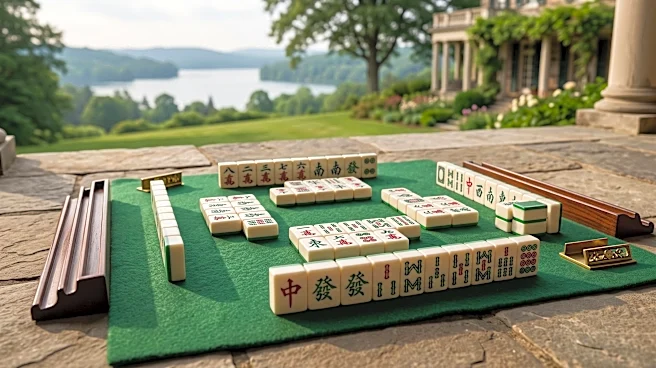
The Ranch Hudson Valley, a luxury wellness retreat located in a J.P. Morgan mansion on a 200-acre waterfront estate, has announced its inaugural 'wellness x mahjong' retreat. Scheduled from January 31 to February 4, 2027, this four-night program will
combine daily American mahjong instruction with The Ranch's established immersive wellness and hiking activities. This initiative reflects a growing trend of mahjong's resurgence, particularly among younger demographics like Gen Z and Millennials, as reported by National Public Radio (NPR). Yelp searches for mahjong clubs have seen a 4500% increase in the past year, and Eventbrite reported a 179% rise in mahjong events nationwide. The game, which dates back two centuries, is now gaining popularity on college campuses and as a social activity, extending into the travel and hospitality sector.
Why It's Important?
The introduction of this specialized retreat by The Ranch Hudson Valley signifies a strategic move within the luxury wellness industry to cater to evolving consumer interests. By integrating a popular social game like mahjong with established wellness programs, the retreat aims to attract a broader demographic, including younger generations who are increasingly seeking unique and engaging experiences. This trend highlights a shift in the wellness market, where traditional health-focused activities are being complemented by social and recreational elements. The rising popularity of mahjong, as evidenced by significant increases in club searches and event listings, indicates a strong market demand for such offerings, potentially influencing other high-end resorts and wellness centers to adopt similar hybrid programs. This could lead to a diversification of wellness tourism, offering more varied options beyond conventional spa treatments and fitness regimens.
What's Next?
Following The Ranch Hudson Valley's announcement, it is likely that other luxury resorts and wellness destinations will observe the success of this integrated approach. The growing interest in mahjong, particularly among Gen Z and Millennials, suggests a potential for similar programs to emerge across the U.S. hospitality sector. Hotels and resorts may begin to offer mahjong-themed packages, classes, or social gatherings to attract this demographic. The trend could also inspire collaborations between wellness brands and gaming communities or instructors. Furthermore, the success of such niche retreats might encourage the development of other experience-based wellness programs that blend traditional health practices with popular social activities, creating new revenue streams and market segments within the travel and wellness industries.
Beyond the Headlines
The integration of mahjong into a luxury wellness retreat points to a broader cultural phenomenon where traditional games are being recontextualized for modern audiences, particularly younger generations seeking social engagement beyond digital platforms. This trend could signify a desire for more tangible, interactive, and community-oriented leisure activities. From an ethical standpoint, it represents a thoughtful approach by wellness providers to offer holistic experiences that cater to mental stimulation and social connection alongside physical well-being. Legally, as these hybrid offerings become more prevalent, there might be considerations around intellectual property for game variations or specific instructional methodologies. Culturally, the resurgence of mahjong, a game with deep historical roots, in contemporary wellness settings highlights a fascinating blend of tradition and modern lifestyle, potentially fostering intergenerational engagement and cultural appreciation.