







What's Happening?
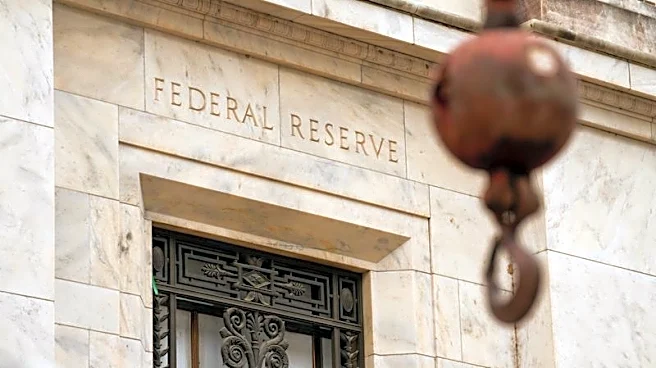
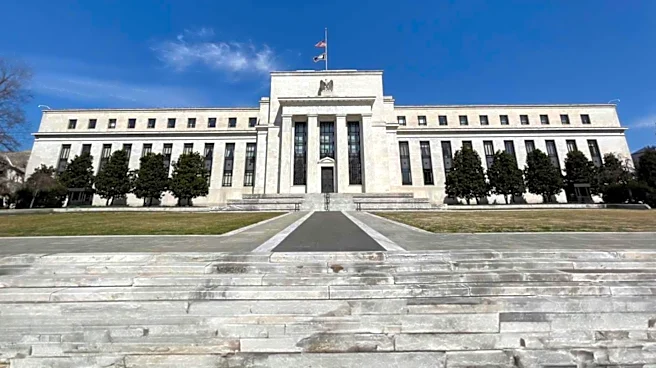
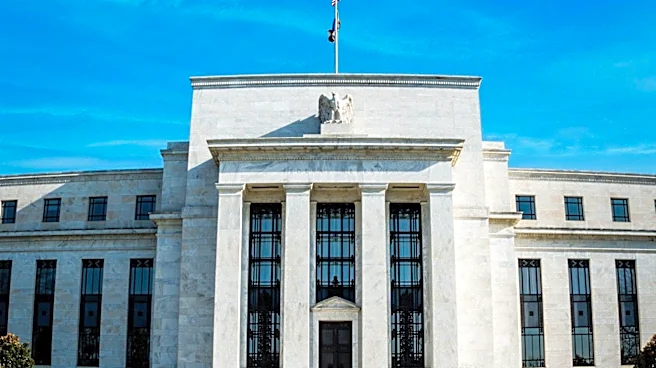
Kevin Warsh has officially taken over as Chairman of the Federal Reserve, succeeding Jerome Powell. Warsh's appointment comes during a period of heightened economic uncertainty, with inflation and interest rates being key concerns for Americans. Warsh,
who previously served on the Federal Reserve Board of Governors during the 2008 financial crisis, is expected to bring his experience to bear on current monetary policy challenges. Investors are keenly observing how Warsh's leadership might influence the Fed's approach to interest rates and inflation, although historical trends suggest that changes in leadership do not typically alter the Fed's long-term policy principles.
Why It's Important?
The leadership change at the Federal Reserve is significant as it can influence market perceptions and investor confidence. While the Fed's decisions are primarily driven by economic data rather than individual personalities, a new chair can bring different perspectives and priorities. Warsh's previous experience during the financial crisis may inform his approach to current economic challenges. The Fed's dual mandate of promoting maximum employment and maintaining stable prices remains unchanged, but Warsh's strategies to achieve these goals will be closely watched by financial markets and policymakers.
What's Next?
As Warsh settles into his role, attention will focus on his public statements and policy decisions. Investors and analysts will be looking for any shifts in the Fed's approach to managing inflation and interest rates. The economic indicators that guide the Fed's decisions, such as inflation trends, employment data, and consumer spending, will continue to be critical in shaping monetary policy. Warsh's ability to navigate these challenges will be crucial in maintaining economic stability and confidence in the Fed's leadership.