







What's Happening?
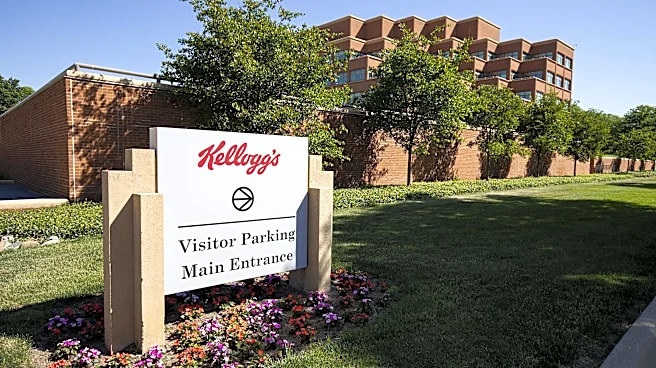
WK Kellogg Co, headquartered in Battle Creek, Michigan, is actively seeking a Temporary Student Support for Quality and Food Safety. This part-time position, running through December 2027 with potential for extension, requires the student to be enrolled
in a minimum of 6 credit hours at an accredited college or university, pursuing a business-related degree. The role involves supporting Quality and Food Safety projects through data entry, document management, and administrative coordination. Key responsibilities include maintaining and organizing ingredient and allergen information within internal databases, supporting digital file management initiatives, and ensuring information accuracy and accessibility. The position is hybrid, requiring regular onsite work on Tuesdays, Wednesdays, or Thursdays at the Battle Creek headquarters, with an average workload of 20-28 hours per week. Candidates should possess proficiency in Microsoft Office applications, strong attention to detail, organizational skills, and effective communication abilities. Preferred qualifications include experience with SharePoint or similar document management systems, SAP or other enterprise business systems, and previous internship or administrative experience, along with an interest in Quality, Food Safety, Supply Chain, or Data Management.
Why It's Important?
This temporary student support role at WK Kellogg Co is important for several reasons. For the company, it ensures the continuity and efficiency of critical Quality and Food Safety operations, which are paramount in the food manufacturing industry. Maintaining accurate ingredient and allergen information is vital for consumer safety and regulatory compliance, protecting the company from potential recalls and legal issues. For students, this opportunity provides valuable real-world experience in a major U.S. food corporation, offering practical application of their academic knowledge in a professional setting. It also allows them to gain exposure to essential business functions like supply chain management and data management, enhancing their career prospects. The hybrid nature of the role reflects evolving work models, providing flexibility while still fostering in-person collaboration. Furthermore, by investing in student talent, WK Kellogg Co contributes to the development of future professionals in the food industry, potentially creating a pipeline for future full-time employees.
What's Next?
The immediate next step involves the recruitment and selection process for this Temporary Student Support position. WK Kellogg Co will review applications, conduct interviews, and ultimately hire a qualified student to fill the role. Once hired, the student will begin their assignment, contributing to the company's Quality and Food Safety initiatives through December 2027. The potential for extension beyond this period suggests that successful performance could lead to continued engagement. For the student, this will involve balancing academic commitments with their work responsibilities. For WK Kellogg Co, the successful integration of this temporary support will help maintain high standards in food safety and quality, ensuring compliance and consumer trust. The company will likely continue to monitor the effectiveness of its temporary staffing programs and assess the long-term benefits of engaging student talent in critical operational areas.
Beyond the Headlines
Beyond the immediate hiring, this initiative by WK Kellogg Co highlights broader trends in corporate engagement with academic institutions and the evolving nature of the workforce. The emphasis on Quality and Food Safety underscores the increasing regulatory scrutiny and consumer demand for transparency in the food industry. Companies are recognizing the importance of robust internal systems to manage complex data related to ingredients and allergens. Furthermore, offering hybrid work arrangements for student roles reflects a strategic adaptation to modern work preferences, aiming to attract and retain talent. This approach also serves as a form of corporate social responsibility, providing educational and professional development opportunities for students. The long-term implications could include a more skilled workforce entering the food industry, better integration of academic knowledge into corporate practices, and potentially new models for temporary and flexible employment within large corporations, particularly in specialized fields like food science and quality assurance.