






What's Happening?
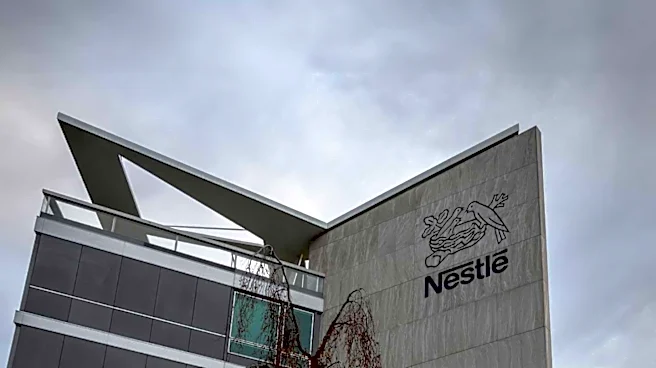
Nestlé is actively recruiting Production Operators for its 500,000-square-foot factory in Hartwell, Georgia. This facility is highlighted as Nestlé's most versatile to date, designed for rapid and efficient switching of product lines. The company emphasizes
its commitment to an inclusive workplace, actively seeking veterans, separated service members, and individuals with disabilities, recognizing their valuable skills such as flexibility, agility, and leadership. Production Operators will rotate responsibilities across four teams: Meat-Prep, Processing, Retorts, and Packaging, requiring them to manage machine operations, shutdowns, changeovers, and troubleshooting. The role involves working in varying temperatures and with raw materials for pet food, and requires openness to all shifts, including nights and weekends. Nestlé also states its dedication to community support, engaging in local pet shelter and rescue efforts, education, and hunger relief programs, alongside environmental initiatives like water conservation, renewable electricity investment, and maintaining zero waste for disposal.
Why It's Important?
The expansion and active recruitment at Nestlé's Hartwell, Georgia, factory signify a notable investment in U.S. manufacturing and job creation within the state. The facility's versatility suggests a strategic move by Nestlé to enhance its production efficiency and responsiveness to market demands, which could strengthen its position in the competitive food and beverage sector. The company's focus on hiring veterans and individuals with disabilities not only contributes to social responsibility but also taps into a diverse talent pool, potentially setting a precedent for other large corporations. Furthermore, Nestlé's commitment to local community support and environmental sustainability initiatives reflects a growing trend among businesses to integrate social and ecological considerations into their operations, which can influence consumer perception and industry standards. This development underscores the ongoing importance of manufacturing jobs in the U.S. economy and the evolving role of corporations in community and environmental stewardship.
What's Next?
Nestlé will continue its recruitment efforts for Production Operators at its Hartwell, Georgia, factory, with new hires initially assigned to night shifts and participating in seniority-based shift bids. The company's ongoing commitment to community engagement suggests continued support for local pet shelters, rescue efforts, education, and hunger relief programs in the Hartwell area. Environmentally, Nestlé is expected to maintain its focus on water conservation, investment in renewable electricity, and zero waste initiatives at the facility. The versatility of the 500,000-square-foot factory indicates that Nestlé may introduce new product lines or adapt existing ones with greater speed and efficiency in the future, potentially impacting the availability of its products in the market. The company's inclusive hiring practices are likely to continue, potentially attracting a diverse workforce and fostering a more inclusive work environment.
Beyond the Headlines
The establishment and operation of Nestlé's highly versatile Hartwell, Georgia, factory highlight a broader trend in U.S. manufacturing towards increased automation and efficiency, allowing for quicker adaptation to consumer preferences and supply chain dynamics. The emphasis on an inclusive workplace, particularly the outreach to veterans and individuals with disabilities, reflects a growing societal expectation for corporations to contribute positively to social equity and workforce diversity. This approach not only addresses labor shortages but also leverages a wider range of skills and perspectives, potentially fostering innovation. Furthermore, Nestlé's integration of environmental sustainability practices, such as water conservation and renewable energy, underscores the increasing pressure on global corporations to mitigate their ecological footprint. This move could influence other companies in the food and beverage industry to adopt similar practices, driving a more sustainable manufacturing landscape across the U.S. The factory's role in supporting local communities also points to the evolving corporate responsibility model, where businesses are expected to be active participants in local welfare beyond just economic contributions.