





What's Happening?
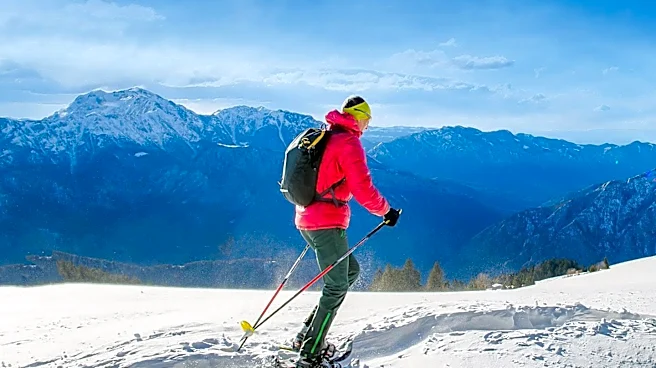
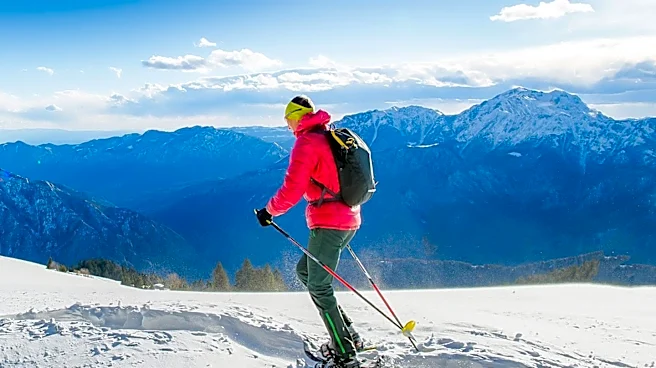
Snowshoeing, an activity involving walking or trekking over snow-covered terrain with snowshoes, carries inherent and serious risks that participants must acknowledge. These risks include slips, trips, falls on snow or ice, hidden obstacles like rocks
and roots, sudden terrain changes, and exposure to cold temperatures leading to frostbite or hypothermia. Other potential dangers involve fatigue, dehydration, equipment malfunction, collisions, and wildlife encounters. Participants are required to wear proper winter footwear with adequate traction and appropriate layered winter clothing, including gloves and hats. Failure to adhere to safety instructions or wear suitable gear may result in removal from the activity without a refund. The activity can take place on designated or undesignated trails and open areas, often on uneven, natural terrain in winter weather conditions. Organizers emphasize that these risks cannot be entirely eliminated, regardless of the precautions taken.
Why It's Important?
The emphasis on acknowledging inherent risks in snowshoeing highlights a broader trend in outdoor recreational activities where organizers are increasingly transparent about potential dangers. This is crucial for participant safety and liability management. By requiring participants to understand and accept these risks, event organizers aim to foster a culture of personal responsibility and preparedness. This approach helps mitigate legal challenges by ensuring participants are fully informed before engaging in potentially hazardous activities. For individuals, it underscores the importance of personal judgment, proper equipment, and adherence to safety guidelines, which can prevent serious injuries or even fatalities. The detailed risk disclosure also serves as a reminder for participants to assess their physical capabilities and health conditions before undertaking such strenuous activities in challenging environments.
What's Next?
Participants engaging in snowshoeing events will continue to be required to sign waivers and adhere to strict safety protocols. Organizers are likely to reinforce the importance of proper gear and following instructions to minimize incidents. There may be an increased focus on pre-activity briefings to ensure all participants are aware of the specific conditions and potential hazards of a given trail or area. Furthermore, as snowshoeing gains popularity, there could be a push for more standardized safety guidelines across different organizations and parks. This might include clearer signage, more detailed trail difficulty ratings, and enhanced training for guides and volunteers to better manage risks and respond to emergencies. Participants should anticipate thorough checks of their equipment and attire before being allowed to join organized snowshoeing events.
Beyond the Headlines
The detailed risk acknowledgment for snowshoeing reflects a societal shift towards greater accountability and transparency in recreational activities. This trend extends beyond snowshoeing to other adventure sports, influencing how waivers are drafted and how participants are educated about potential dangers. Ethically, it raises questions about the balance between promoting outdoor activity and ensuring participant safety without creating an overly litigious environment. Legally, these waivers are critical in defining the scope of responsibility for organizers versus participants. Culturally, it highlights a growing awareness of the unpredictable nature of outdoor environments and the need for individuals to be self-reliant and well-prepared. This could lead to a long-term shift in how outdoor recreation is marketed and regulated, emphasizing safety and personal responsibility as much as the enjoyment of nature.