
What's Happening?
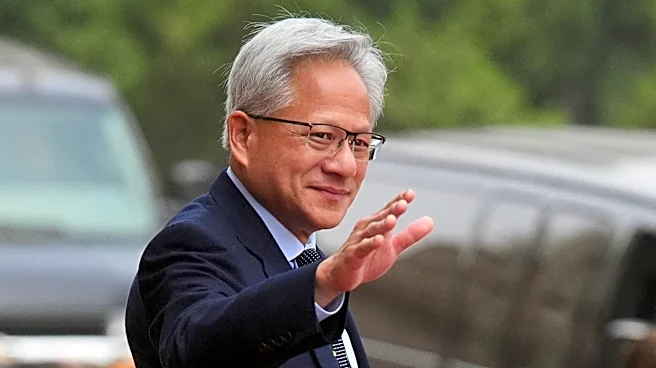
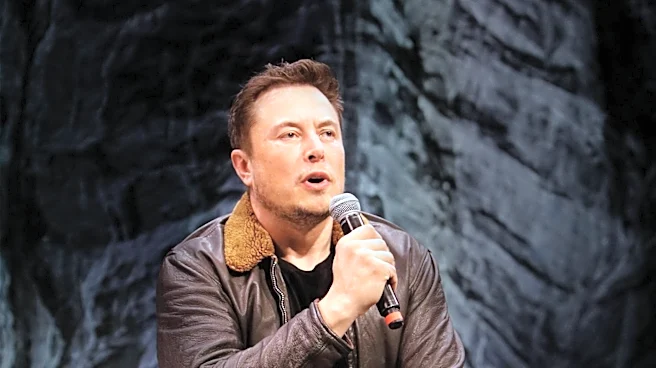
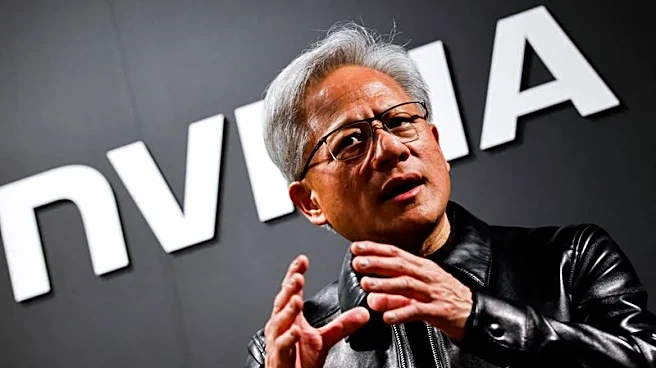
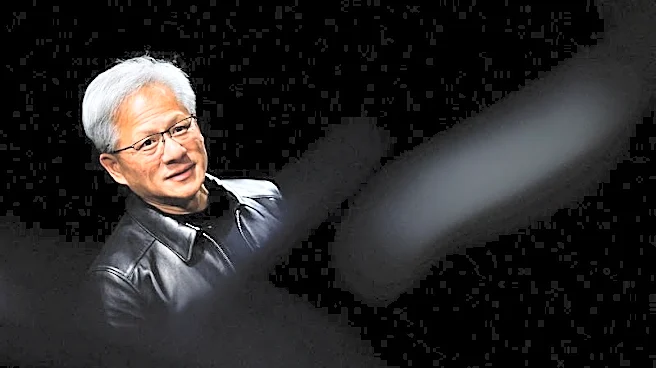
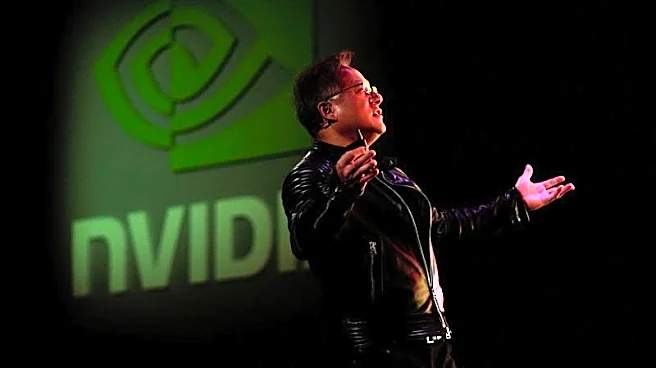
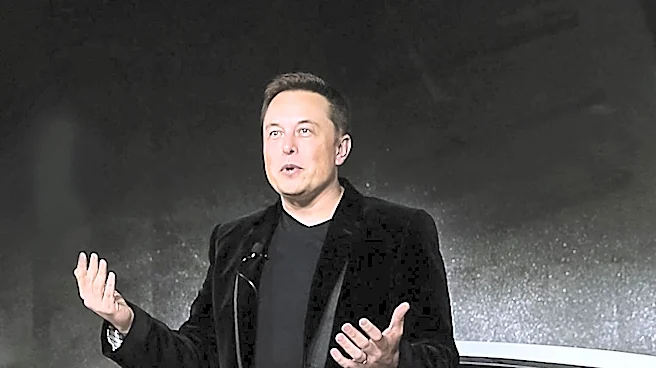
Elon Musk, CEO of Tesla and SpaceX, publicly expressed his strong support for Jensen Huang following Nvidia's board's unanimous decision to reinstate Huang as CEO. Musk took to X to commend Huang's return,
stating, 'It is done' and 'The mistake has been corrected.' He also criticized those who did not offer public support during Huang's resignation, remarking, 'Fair-weather friends are worthless' and emphasizing that true friends support you 'when the chips are down.' Huang had abruptly stepped down due to reports of alleged affairs with a former executive and an Nvidia employee. President Trump reportedly intervened to help convince the Nvidia board to reinstate Huang. Musk had been a vocal advocate for Huang's return, citing Huang's crucial role in Nvidia's supply chain and the potential loss of critical deals without his leadership. Following Huang's reinstatement, Nvidia shares surged by 31%, and Tesla and SpaceX stocks also saw increases amidst a broader market rally.
Why It's Important?
Elon Musk's vocal support for Jensen Huang and his criticism of those who did not stand by Huang highlight the personal and professional networks that influence leadership decisions in the technology sector. This event underscores the significant impact that key individuals, like Huang, can have on a company's operations and market value, particularly in specialized areas like supply chain management. The reported intervention by President Trump in a corporate board decision also signals a potential intersection of political influence and corporate governance, which could have broader implications for how leadership changes are navigated in major U.S. companies. The immediate positive market reaction to Huang's return, with Nvidia shares soaring, demonstrates the financial community's confidence in his leadership and strategic vision. This situation also reflects the intense scrutiny and public pressure that can surround high-profile executive departures and reinstatements, especially when influential figures like Musk weigh in.
What's Next?
With Jensen Huang reinstated as CEO, Nvidia is expected to continue its strategic direction, particularly in areas where Huang's expertise, such as supply chain management, is considered critical. The company's stock performance will likely be closely watched to see if the initial surge is sustained. The public support from figures like Elon Musk could further solidify Huang's position and potentially influence investor confidence. The reported involvement of President Trump in the board's decision might lead to discussions about the extent of political influence in corporate governance, though direct policy changes are not immediately apparent. For Nvidia, the focus will likely shift back to business operations, innovation, and market competition, especially in the rapidly evolving semiconductor industry. The incident may also prompt other companies to consider the implications of executive conduct and the importance of key leadership in maintaining business continuity and market stability.
Beyond the Headlines
This event delves into the intricate dynamics of corporate leadership, personal loyalty, and external influence within the tech industry. Musk's strong stance on 'fair-weather friends' reflects a broader cultural value placed on loyalty and steadfastness, particularly in high-stakes business environments. The narrative also touches upon the complexities of executive conduct and its impact on corporate stability and public perception. The fact that President Trump reportedly intervened in a private company's board decision raises questions about the boundaries between political office and corporate affairs, potentially setting a precedent for future interactions. This situation also highlights the power of individual leaders in driving market sentiment and the perceived indispensability of certain executives, especially in companies with highly specialized operations. It underscores how personal relationships and public endorsements from influential figures can significantly shape corporate outcomes and market reactions, extending beyond traditional business metrics.