






What's Happening?
AGCO is expanding its smart farming initiatives in North America through its Fendt brand and autonomous technology. Eric P. Hansotia, AGCO President and CEO, highlighted the company's focus on smarter equipment, on-farm service, and data-driven farming operations.
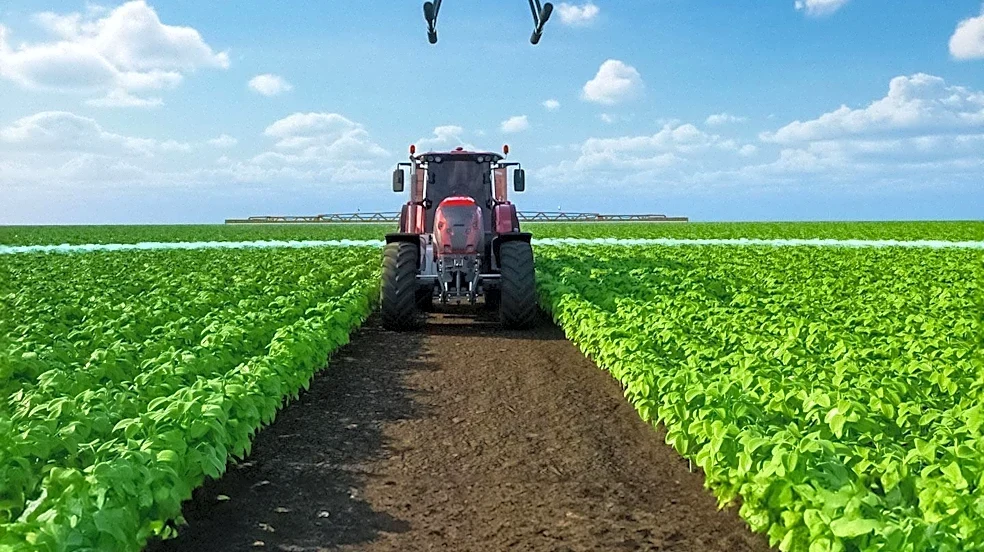
Fendt equipment is being positioned for farmers seeking high performance, fuel efficiency, precision, and technology. This strategy is supported by 'FarmerCore,' a distribution model that brings equipment services directly to farms, including remote monitoring, proactive maintenance, and repairs. AGCO's OutRun autonomous system can be installed on existing tractors, including those from competing brands, to address labor shortages. One application allows an autonomous tractor and grain cart to work alongside a combine during harvest, reducing the need for an additional operator. The company plans to expand autonomous applications across more crop production stages by 2030 and is developing FarmENGAGE, a mixed-fleet data platform.
Why It's Important?
This expansion is crucial for the U.S. agricultural sector, which faces significant challenges such as labor shortages and increasing input costs. AGCO's autonomous solutions offer a direct response to these issues by enhancing productivity and reducing reliance on manual labor, particularly during critical periods like harvest. The FarmerCore model aims to improve customer satisfaction and strengthen farmer-dealer relationships by providing convenient, on-farm services, which can minimize downtime and optimize equipment performance. The development of FarmENGAGE, a mixed-fleet data platform, is vital for integrating data from various manufacturers' equipment, enabling farmers to make more informed decisions and improve operational efficiency across their diverse machinery fleets. This strategic direction by AGCO underscores a broader industry shift towards technology-driven agriculture, impacting farm management practices and the demand for skilled labor in the sector.
What's Next?
AGCO plans to continue expanding its autonomous applications across more stages of crop production by 2030, indicating a future where autonomous farming becomes more integrated into daily operations. The success of the FarmerCore model will likely influence other agricultural equipment manufacturers to adopt similar on-farm service strategies, potentially reshaping the traditional dealership model. The FarmENGAGE platform's ability to work with mixed fleets will be critical for its adoption, as many U.S. farmers operate equipment from multiple brands. AGCO's focus on addressing labor shortages and input costs through technology suggests ongoing innovation in precision agriculture, potentially leading to increased investment in R&D for AI and robotics in farming. The industry will be watching for further developments in autonomous capabilities and data integration to assess their impact on agricultural productivity and sustainability.
Beyond the Headlines
The move towards highly autonomous farming, as exemplified by AGCO's initiatives, raises deeper questions about the future of agricultural labor and the digital divide in farming. While autonomy can alleviate labor shortages, it may also alter the skill sets required for farm work, potentially necessitating new training programs for operating and maintaining advanced machinery. The increasing reliance on data-driven farming through platforms like FarmENGAGE also brings considerations of data ownership, security, and equitable access to technology for all farmers, regardless of farm size or financial resources. Furthermore, the environmental implications of more precise and efficient farming, such as optimized resource use and reduced waste, could contribute to more sustainable agricultural practices, aligning with broader climate goals. This technological evolution could fundamentally transform the economic and social fabric of rural communities.