





What's Happening?
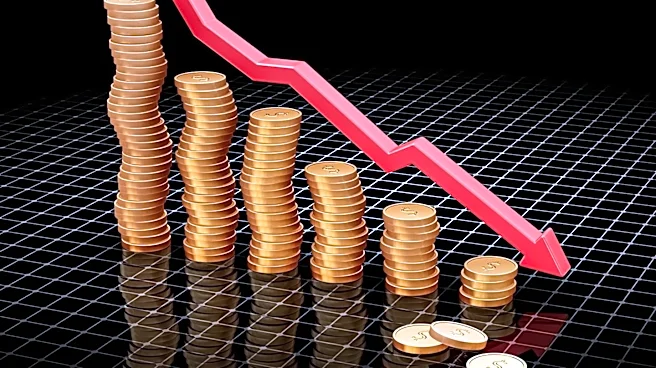
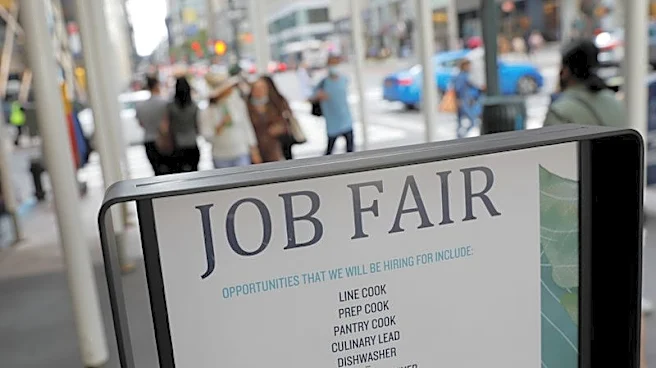
In July, the U.S. economy lost 23,000 jobs, according to the Labor Department, marking a significant deviation from economists' expectations of an 80,000 job increase. The unemployment rate decreased to 4.1%, partly due to a reduction in the labor force
participation rate, which fell to 61.4%. Job losses were particularly notable in the leisure and hospitality sector, which shed 40,000 positions, and local government roles, which decreased by 57,000. Despite these declines, some sectors, such as healthcare and construction, continued to see job growth. The average hourly earnings increased by 3.2% year-over-year, but this growth may not be sufficient to keep pace with inflation.
Why It's Important?
The job losses in July highlight ongoing challenges in the U.S. labor market, particularly in sectors heavily impacted by recent economic shifts. The decline in labor force participation suggests that fewer individuals are actively seeking employment, which could have long-term implications for economic growth and workforce availability. The uneven distribution of job losses across sectors underscores the need for targeted policy interventions to support affected industries. Additionally, the modest increase in average hourly earnings raises concerns about wage growth keeping pace with inflation, which could impact consumer spending and overall economic recovery.
What's Next?
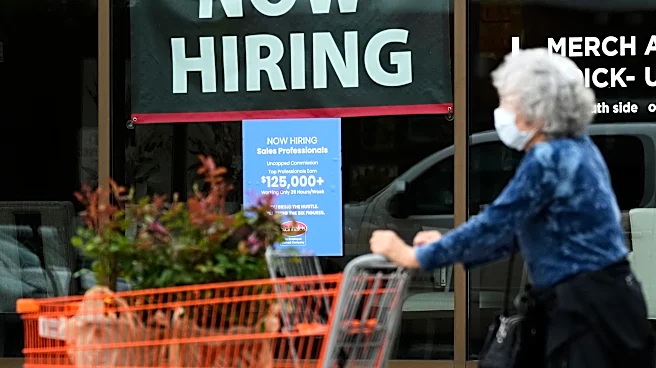
Policymakers and economic stakeholders may need to focus on strategies to boost job creation and address the underlying issues contributing to the decline in labor force participation. This could involve targeted support for sectors experiencing significant job losses, as well as initiatives to enhance workforce skills and training. The Federal Reserve may also need to reassess monetary policies to support job growth and stabilize the labor market. Businesses may need to adapt to changing labor dynamics by investing in technology and automation to maintain productivity.