




What's Happening?
New Orleans' vibrant Latin music scene is actively preserving cultural traditions and enriching the city's diverse musical landscape through various bands and performances. Figures like Brenda Melara, editor-in-chief of Qué Pasa Newspaper and co-founder
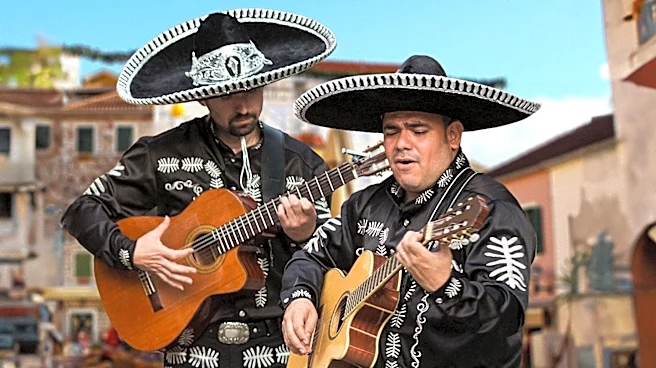
of the annual Qué Pasa Fest, emphasize music's role in telling the story of Hispanic Heritage Month, educating non-Latino audiences, and passing traditions to younger generations. The city boasts a range of Latin musicians, including Johnny Marcia and the Rumba Buena Band, known for their salsa, merengue, cumbia, and bachata rhythms. Javier Olondo & AsheSon Band, formed after Hurricane Katrina, specialize in traditional Cuban music and have been a fixture at Jazz Fest for nearly two decades. Javier Gutierrez and Vivaz Band have performed Latin jazz for over 30 years, while the Latin guitar duo Julio Herrera and his brother César have contributed to Louisiana's culture for 45 years with a diverse repertoire. La Tran-K Band delivers high-energy performances with a blend of merengue, cha-cha, cumbia, and salsa, and Fermin Ceballos & the Merengue4Four are recognized for their original compositions in various Latin styles. Mariachi Jalisco keeps Mexican traditions alive, and Grupo Recuerdo performs cumbia, merengue, bachata, and bolero, showcasing the rich tapestry of Latin American and Spanish musical influences in New Orleans.
Why It's Important?
The active presence and dedication of Latin bands in New Orleans are crucial for several reasons. Culturally, they serve as vital conduits for preserving and transmitting Hispanic heritage, ensuring that traditions are not lost but rather celebrated and passed down through generations. This is particularly significant in a city renowned for its rich cultural mosaic, where Latin music adds another layer of diversity and vibrancy. Economically, these bands contribute to the local entertainment and tourism sectors, drawing audiences to festivals, clubs, and private events. Their performances at major events like Jazz Fest highlight the city's inclusive cultural offerings, attracting both local and international visitors. Socially, Latin music acts as a bridge, fostering connections that transcend language barriers and educating broader audiences about Latin American cultures. The diverse backgrounds of the musicians themselves, hailing from various Latin American countries, further enrich the community by bringing unique perspectives and styles. This collective effort strengthens New Orleans' identity as a melting pot of cultures, where music plays a central role in community building and cultural exchange.
What's Next?
The continued presence and evolution of Latin music in New Orleans are expected to further solidify its role in the city's cultural landscape. Events like the annual Qué Pasa Fest will likely continue to feature these bands, providing platforms for cultural celebration and education. Bands like Johnny Marcia and the Rumba Buena Band, Javier Olondo & AsheSon Band, and Javier Gutierrez and Vivaz Band are anticipated to maintain their long-standing performances at Jazz Fest and other local venues, ensuring a consistent presence of Latin rhythms. The ongoing residencies, such as La Tran-K Band's at the Saturn Bar, suggest a sustained engagement with local audiences. Furthermore, the efforts of musicians like Fermin Ceballos, who also heads the Dominican NOLA Fest, indicate a trend towards organizing more dedicated festivals that highlight specific Latin American cultures. These initiatives will likely continue to attract new talent and audiences, fostering the growth and diversification of the Latin music scene in New Orleans and reinforcing its cultural significance.
Beyond the Headlines
Beyond the immediate performances and festivals, the flourishing Latin music scene in New Orleans carries deeper implications for cultural identity and community integration. The emphasis on passing traditions to younger generations through music highlights its role as a powerful educational tool, fostering a sense of belonging and heritage among Latino youth. This cultural transmission is vital in an increasingly globalized world, helping to maintain distinct cultural identities while also promoting cross-cultural understanding. The ability of Latin music to 'cross borders' and 'create connections that transcend language' speaks to its universal appeal and its capacity to unite diverse communities. This phenomenon can lead to greater social cohesion and mutual respect among different ethnic groups within New Orleans. Furthermore, the long-term presence of these bands, some performing for decades, underscores the resilience and adaptability of cultural forms in the face of changing demographics and social landscapes. It demonstrates how art, particularly music, can serve as a dynamic force for cultural preservation and evolution, continually enriching the fabric of American cities.