





What's Happening?
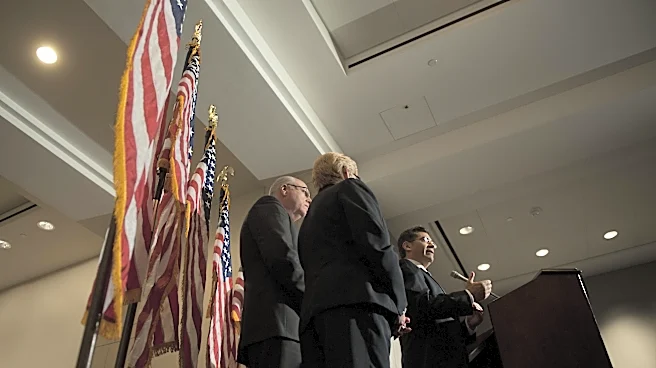
The eighth annual Vermont Outdoor Economy Summit is scheduled for November 12, 2026, at The Barn at Fox Run in Ludlow, Vermont. Organized by the Vermont Outdoor Business Alliance (VOBA), the event aims to strengthen the state's outdoor recreation businesses
and support economic development under the theme 'Build Together: Growing Outdoor Business in Vermont.' The summit will feature keynote presentations, panel discussions, and workshops addressing business financing, growth strategies, and outdoor recreation policy. Sarah Waring, executive director of the Northern Border Regional Commission, will deliver the keynote address. A business panel will include Simon Perkins of The Orvis Company and Mark Kane of SE Group. A significant part of the event will be the presentation of the sixth annual Patrick Leahy Trailblazer Legacy Award to Dick Dreissigacker and Judy Geer, associated with Concept2 and the Craftsbury Outdoor Center. Additionally, the third annual Outdoor Pitch Fest will provide a platform for entrepreneurs to present their business ideas to judges, with participants including Ellen McCune of Lupine Outerwear, Jody Canavan and Amy Maugeri of Gear Envie, and Ariel Ogden of Fifth Season Canvas.
Why It's Important?
This summit is crucial for Vermont's economy, particularly its outdoor recreation sector, which plays a vital role in the state's identity and economic health. By bringing together industry leaders, entrepreneurs, and community partners, the event fosters collaboration and innovation, which are essential for overcoming challenges such as workforce retention and housing affordability in rural areas. The focus on business financing, growth strategies, and policy priorities directly impacts the sustainability and expansion of local businesses. The Patrick Leahy Trailblazer Legacy Award not only recognizes significant contributions to the outdoor industry but also inspires future generations of entrepreneurs. The Outdoor Pitch Fest provides a critical platform for emerging businesses, potentially leading to new job creation and economic diversification within the state. The discussions on year-round outdoor economy in Ludlow highlight efforts to mitigate seasonal economic fluctuations, ensuring more stable growth and community resilience.
What's Next?
Following the summit, the insights and strategies discussed are expected to inform future business practices and policy decisions within Vermont's outdoor economy. The connections forged during networking opportunities could lead to new partnerships and collaborative initiatives among businesses and organizations. The entrepreneurs who participated in the Outdoor Pitch Fest may secure funding or mentorship, accelerating the development of their ventures. The recognition of Dick Dreissigacker and Judy Geer with the Patrick Leahy Trailblazer Legacy Award will likely further elevate their profiles and the organizations they represent, potentially attracting more attention and investment to Vermont's outdoor recreation scene. The ongoing efforts to address workforce needs and housing affordability, as highlighted in the Ludlow workshop, will continue to be critical areas of focus for state and local stakeholders.
Beyond the Headlines
The Vermont Outdoor Economy Summit reflects a broader national trend of states recognizing and investing in their outdoor recreation sectors as significant economic drivers. This event underscores the importance of community-led initiatives in fostering economic development that is both sustainable and aligned with local values. The emphasis on 'purpose-driven brands' and 'broader participation in outdoor activities' suggests a growing awareness of inclusivity and environmental stewardship within the industry. The summit's focus on year-round economic activity in Ludlow also points to the evolving nature of tourism and recreation, moving beyond traditional seasonal models to create more resilient local economies. This holistic approach, combining business growth with community well-being and environmental considerations, could serve as a model for other regions looking to leverage their natural assets for economic benefit.